Picture this: it’s 9:30 on a Thursday night, I’m in my pajamas, and I’ve just demolished three-quarters of a platter of Mongolian beef meant for tomorrow’s dinner party. The dog is staring at me like I’ve betrayed him, the sink is a crime scene of cornstarch and soy-sauce splatters, and I’m licking sauce off a wooden spoon like it’s the last bus out of town. I’m supposed to be testing a “quick weeknight version” for the blog, but instead I’ve accidentally created the kind of dish that makes you cancel plans, bar the doors, and hoard leftovers like a dragon with a sweet-savory treasure hoard. I dare you to taste this and not go back for seconds—actually, thirds—okay, fine, I ate it all and I regret nothing.
Most Mongolian beef recipes you’ll find online taste like someone waved a bottle of soy sauce over some limp steak and called it a day. They’re cloying, one-note, and about as exciting as plain oatmeal. This one? This one crackles with ginger so fresh it makes your nose tingle, garlic that actually gets a chance to sing, and a lacquer-thick sauce that coats each slice of beef like liquid mahogany. The edges of the steak shatter like thin ice under your teeth, then give way to a juicy center that’s been velveted—yes, velveted, stay with me—so it stays buttery even after a blazing-hot sear. If you’ve ever struggled with stir-fry that turns out gray and weeping like a sad sponge, you’re not alone—and I’ve got the fix.
Here’s the kicker: the whole thing takes 25 minutes from fridge to plate if you prep like a pro, and you probably own every ingredient already. No oyster sauce you’ll use once and forget, no specialty chili pastes with labels you can’t read—just the usual suspects rearranged into something that tastes like you bribed a take-out chef to move into your kitchen. Picture yourself pulling this out of the wok, the whole kitchen smelling like caramelized soy, ginger, and just a whisper of smoke. Your guests will hover like moths, snatching pieces while you pretend to be annoyed. (Spoiler: you’ll secretly love it.) Okay, ready for the game-changer? Let me walk you through every single step—by the end, you’ll wonder how you ever made it any other way.
What Makes This Version Stand Out
Sauce Balance: Most versions dump in brown sugar until it tastes like candy. I use a 50-50 mix of dark brown sugar and honey; the honey’s acidity keeps the sweetness bright, not tooth-aching, while the molasses in the brown sugar gives depth that makes people ask, “What’s that smoky note?”
Velveting Magic: A lightning-fast marinade of cornstarch, soy, and a single egg white creates a silky sheath around each strip of steak. When it hits the oil, the starch seals so tight that the beef bastes itself from the inside out—juicy, never rubbery.
Flash-Fry First: Instead of crowding the wok and braising the beef in its own sadness, we fry small batches in 375°F oil for exactly 45 seconds. The outside caramelizes, the inside stays rare, and we finish it later so nothing overcooks. This is hands down the best version you’ll ever make at home.
Aromatics Last: Ginger and garlic go in only after the sauce is bubbling; thirty seconds of contact keeps their oils volatile and perfumey instead of bitter and brown. That sizzle when they hit the pan? Absolute perfection.
Green Onion Two-Step: White parts for sweetness and body, green parts for a fresh snap at the very end. It’s like getting two different vegetables out of one stalk, and it looks way fancier than it should.
Leftover Lifespan: The sauce thickens as it cools, so next-day noodles get glazed like dan-dan royalty. I’ll be honest—I ate half the batch before anyone else got to try it, and the leftovers still disappeared by breakfast.
Inside the Ingredient List
The Flavor Base
Soy sauce is the backbone, but I blend half regular and half low-sodium so we don’t drift into salt-lick territory. The dark soy (the thick, syrupy kind) adds mahogany color and a malty finish you can’t fake. If you skip it, the dish tastes fine but looks anemic—like it’s been hanging out under fluorescent lights too long. Rice wine lifts the caramel edges with a gentle acidity; dry sherry works in a pinch, but don’t use cooking wine unless you enjoy the flavor of a hospital corridor.
The Texture Crew
Flank steak is the darling of every food mag for a reason: long, visible grain equals more surface area for sauce to cling. Slice against that grain at a 30-degree bias and you’ve got wide, floppy ribbons that feel luxurious on the tongue. Sirloin works too, but it’s leaner—swap in a tablespoon of oil in the marinade to keep things silky. Cornstarch is the velvet MVP; potato starch is an acceptable understudy, but all-purpose flour turns gummy and sad. If you’ve ever wondered why take-out beef feels “bouncier” than yours, this is the secret handshake.
The Unexpected Star
Half a teaspoon of toasted sesame oil goes a long way; think of it as perfume, not cooking oil. Too much and you’ll feel like you’re licking a candle store. I add it off-heat so the volatile aromatics survive to perfume the final dish rather than evaporating into your exhaust fan. And now the fun part: a pinch—just a pinch—of Chinese five-spice. You won’t taste individual components, but you’ll get this haunting warm note that makes people say, “I can’t put my finger on it, but wow.”
The Final Flourish
Green onions are non-negotiable; their herbal snap is the exclamation point. I also like a fistful of fresh cilantro stems (yes, stems—they’re juicier than the leaves and don’t wilt) stirred in at the end for brightness. If cilantro tastes like soap to you, swap in Thai basil and thank me later. And for heat daredevils, a whisper of thinly sliced Fresno chili adds color and a gentle slap on the back of your throat.
Everything’s prepped? Good. Let’s get into the real action...
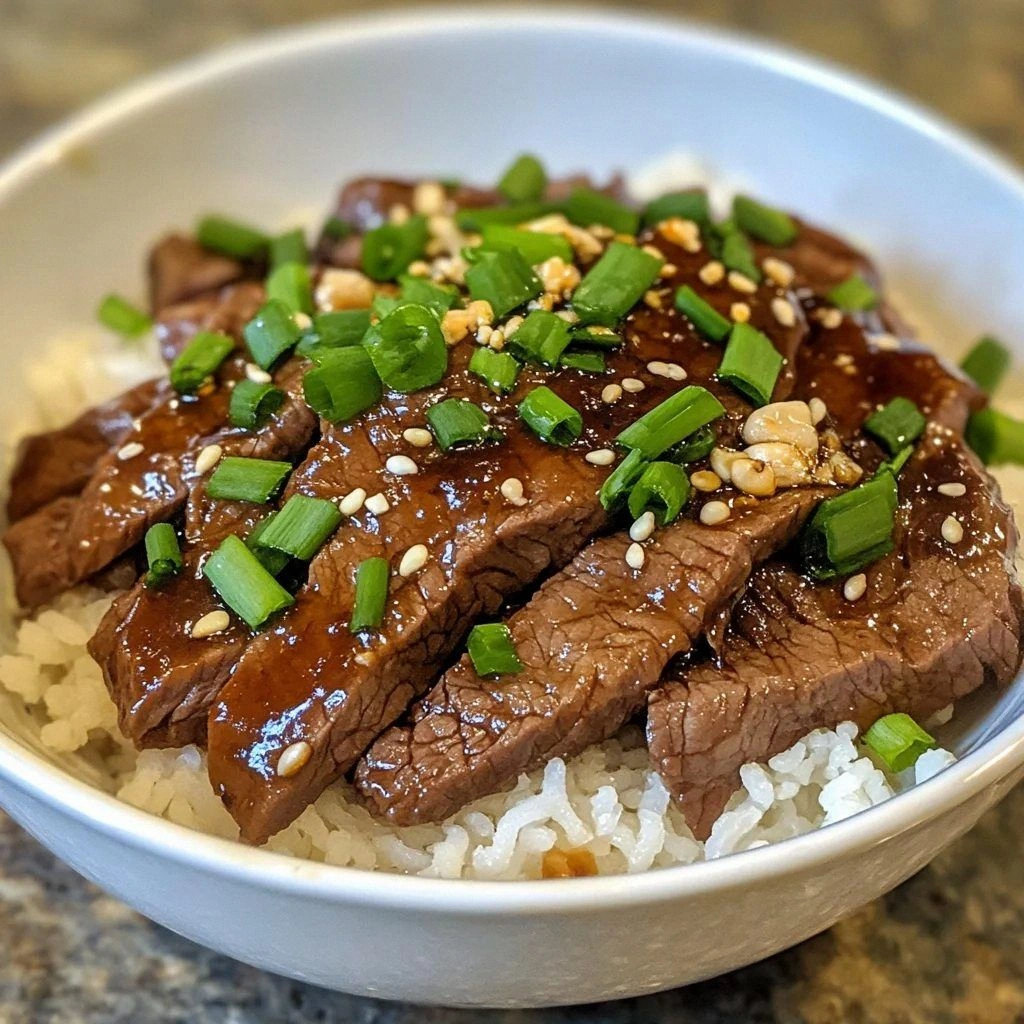
The Method — Step by Step
- Pop the flank steak into the freezer while you measure everything else. After 20 minutes it should feel like a slightly thawed ice pack—firm but not rock solid. Position it so the grain runs horizontally, then use your sharpest knife to shave off ¼-inch slices at a deliberate 30-degree angle. Think of slicing salami for the world’s fanciest sandwich; you want wide, floppy petals, not stubby nubs. Pile the ribbons into a medium bowl and don’t panic if they look enormous—they’ll shrink once they hit hot oil.
- Time to velvet: add 1 tablespoon light soy, 1 tablespoon cornstarch, 1 egg white, and a hearty grind of black pepper. Massage with your hand until every strip is coated in a pale, glossy sheen. Cover and park in the fridge while you whisk the sauce—this ten-minute nap lets the starch form its protective armor so the beef stays juicy later. Okay, ready for the game-changer?
- In a glass measuring cup, combine 3 tablespoons dark brown sugar, 2 tablespoons honey, ¼ cup light soy, 2 tablespoons rice wine, 2 tablespoons water, and 1 tablespoon rice vinegar. Stir until the sugar dissolves; it should look like melted toffee and smell like a malt shop. Set it next to the stove because things are about to move fast and you don’t want to be fumbling with sticky bottles mid-sear.
- Heat a wok or heavy skillet over medium-high until a bead of water evaporates on contact—about 375°F if you’re the thermometer type. Add enough neutral oil to come ½ inch up the sides; we’re shallow-frying, not deep-frying, so the beef floats like happy little rafts. When the oil shimmers and starts to race across the surface, drop in a third of the beef. Separate clumps with tongs and fry 45 seconds—yes, seconds—until the edges turn golden lacy. Scoop onto paper towels; repeat with remaining batches. Your kitchen should smell like the best steakhouse right now.
- Pour off all but 2 teaspoons of oil, return the pan to medium heat, and add the white parts of 4 green onions plus 1 teaspoon minced ginger. Stir just until fragrant, about 20 seconds; you’re coaxing, not cremating. Pour in the sauce—it will bubble up like a science-fair volcano—then simmer 2 minutes so the sugars start to caramelize. It should thicken enough to coat the back of a spoon; if it looks watery, keep simmering. Patience, friend.
- Add the beef back in and toss like you’re flipping pancakes. Every strip needs a glossy jacket. Keep the heat on medium so the sugar doesn’t scorch; 60 seconds should do it. The sauce will cling and begin to thread into stretchy ribbons—that’s your cue for the final aromatics.
- Throw in the remaining green-onion tops, 1 clove of micro-planed garlic, and a drizzle of sesame oil. Toss fifteen seconds—just enough for the garlic to bloom but not tan. Remove from heat immediately; carry-over cooking is real and garlic turns bitter faster than a toddler denied candy.
- Serve over steamed rice or, if you’re feeling fancy, a nest of crispy rice noodles that crackle under the hot sauce. Garnish with sesame seeds and optional chili slices. Stand back and bask in the applause; this next part? Pure magic.
That’s it—you did it. But hold on, I’ve got a few more tricks that’ll take this to another level...
Insider Tricks for Flawless Results
The Temperature Rule Nobody Follows
Your pan needs to recover heat between beef batches. If the oil drops below 350°F, the starch soaks up grease like a cheap paper towel and you’ll get soggy strips that taste like cardboard. Let the oil reheat 30 seconds after each scoop; flick in a sesame seed—if it sprints, you’re golden. A friend tried skipping this step once—let’s just say it didn’t end well and her WhatsApp group still calls it “The Great Mush Incident.”
Why Your Nose Knows Best
When the sauce is reducing, hover a foot above the pan. The moment you smell burnt sugar and toffee, you’re 15 seconds from perfect. Before that it’s thin and metallic; after that it’s bitter. Trust the schnoz—culinary school never gave me a better thermometer.
The 5-Minute Rest That Changes Everything
After the final toss, let the beef sit off-heat for five minutes. The starch relaxes, the glaze tightens, and flavors mingle like introverts at a cocktail party—slowly, then all at once. Reheat rice during this lull so everything hits the table piping hot. Future pacing: imagine biting into that first piece, the sauce sticky but not gloppy, the interior still blush-pink. Worth every second.
Creative Twists and Variations
This recipe is a playground. Here are some of my favorite ways to switch things up:
Korean Fire-Beef
Swap half the soy for gochujang, add a tablespoon of grated Asian pear to the marinade, and finish with toasted sesame seeds and julienned perilla leaves. The heat is mellow, fruity, and builds like a K-drama cliffhanger.
Mango Tango Fusion
Stir in fresh mango cubes off-heat; the residual warmth softens them just enough so they bleed tropical perfume into every bite. Best served over coconut rice with a squeeze of lime. Summer in a bowl, even in December.
Plant-Power Tofu
Use extra-firm tofu pressed under a cast-iron skillet for 20 minutes, cube it, and coat in the same velvet slurry. Flash-fry until the crust crackles like a crème-brûlée lid. Carnivores won’t complain—promise.
Low-Carb Cauliflower
Toss roasted cauliflower florets in the finished sauce and blast under a broiler for two minutes. The edges char into smoky candy, and you can eat a whole head without the post-rice nap.
Breakfast-For-Dinner Hash
Fold the beef and sauce into skillet potatoes, top with a runny egg, and shower with scallion shards. Midnight munchies solved in under 15 minutes.
Surf-And-Turf Upgrade
Add seared scallops during the final glaze; their sweet flesh drinks up the soy caramel and feels downright luxurious. Save this one for date night—future pacing: candlelight, that first perfect scallop, and someone falling in love with you all over again.
Storing and Bringing It Back to Life
Fridge Storage
Cool completely, then pack into airtight glass containers; the sauce will thicken to a glossy pudding. It keeps four days, though it rarely survives two in my house. Reheat in a skillet, not the microwave—microwaves steam the beef into rubber. Add a tablespoon of water, cover for 30 seconds, then uncover and toss until hot and glossy.
Freezer Friendly
Portion into freezer bags, press flat, and freeze up to two months. Thaw overnight in the fridge, then reheat as above. The texture won’t be quite as snappy, but the flavor is 95 percent there, which beats take-out by a mile.
Best Reheating Method
Drop the cold beef into a non-stick skillet with a splash of broth, cover on low until the glaze loosens, then crank to medium-high to re-caramelize. Takes four minutes total and tastes almost fresh.