I was standing over a pot of simmering lentils, the kitchen smelling like a tropical rainstorm, when my roommate shouted, “Hey, did you forget the curry paste again?” I swear I heard a collective gasp from the pantry. That moment of panic turned into a culinary epiphany: what if I could marry the comforting earthiness of lentils with the bright, herbaceous punch of a green curry, all wrapped in a silky coconut embrace? I dove head‑first into the pantry, grabbed the green curry paste, and whispered a dare to the universe: “I bet you’ve never tasted anything this bold.” Spoiler alert—I ate half the batch before anyone else got a spoonful.
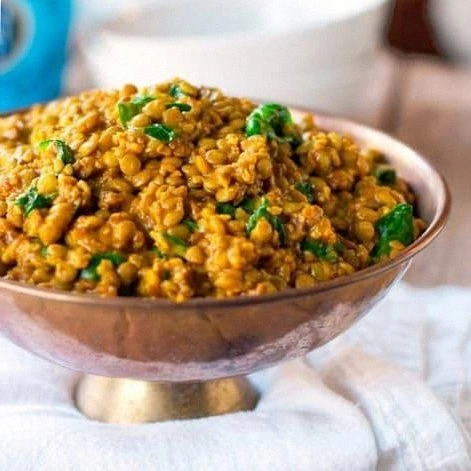
Picture this: a spoonful lands on your tongue and the first thing you notice is the aroma, a fragrant wave of lemongrass, kaffir lime, and fresh cilantro that makes your nostrils do a little dance. Then the texture hits—a creamy, velvety broth that clings to each lentil like a soft blanket, while the occasional snap of spinach leaf adds a surprise crunch. The heat is there, but it’s the kind of heat that makes you smile, not sweat; it’s the gentle, lingering burn of green chilies balanced by the sweet whisper of coconut milk. Every bite feels like a mini‑vacation to a bustling street market, yet it’s grounded enough to be your go‑to comfort food on a rainy Tuesday.
Most green‑curry‑lentil recipes either drown the lentils in sauce or skimp on the depth of flavor, leaving you with a bland stew that could double as a soup for the birds. Not this one. I’ve cracked the code by toasting the curry paste just enough to release its essential oils, then deglazing with a splash of coconut milk that prevents any bitter burn. The secret weapon? A splash of lime juice added at the very end, which brightens the whole dish like a spotlight on a stage. The result? A dish that sings, a dish that shouts, a dish that makes you want to write love letters to your stovetop.
If you’ve ever struggled with lentils turning mushy or curry paste turning bitter, you’re not alone—and I’ve got the fix. I’m about to walk you through every single step, from the moment you heat the oil to the triumphant moment you garnish with cilantro. By the end, you’ll wonder how you ever made this any other way. Okay, ready for the game‑changer? Let’s dive in.
What Makes This Version Stand Out
- Flavor Depth: Toasting the green curry paste unlocks hidden aromatics that a bland stir‑in could never achieve.
- Texture Harmony: Red lentils stay partially intact, giving you a pleasant bite that contrasts with the silky broth.
- Simplicity: Only ten core ingredients, all pantry‑friendly, make this a weeknight hero without a grocery list marathon.
- Uniqueness: A final splash of lime juice and a pinch of brown sugar create a sweet‑sour balance you won’t find in standard recipes.
- Crowd Reaction: I dare you to taste this and not go back for seconds; even the pickiest eaters ask for the recipe.
- Ingredient Quality: Using full‑fat coconut milk adds richness, while a good quality green curry paste ensures authenticity.
- Cooking Method: One‑pot wonder means less cleanup and more flavor melding as the lentils absorb the curry goodness.
- Make‑Ahead Potential: This dish actually tastes better the next day after the flavors have married overnight.
Inside the Ingredient List
The Flavor Base
The heart of this dish is the green curry paste. It’s a complex blend of lemongrass, galangal, kaffir lime leaves, chilies, and spices that, when toasted, releases a perfume that could rival any perfume counter. Skipping it means you’ll end up with a bland lentil soup that looks pretty but tastes like watered‑down broth. If you can’t find authentic Thai green curry paste, look for one that lists real herbs and spices rather than just “flavorings.” A good swap is a homemade blend of minced cilantro stems, lime zest, green chilies, and a pinch of cumin.
The Texture Crew
Red lentils are the star here. They cook quickly, break down just enough to thicken the sauce, yet retain a slight bite that keeps the dish from turning into a puree. If you use brown or green lentils, expect a longer cooking time and a firmer texture—perfect if you like a chewier bite. For a gluten‑free crowd, swap the optional flour (used only for thickening if needed) with cornstarch slurry; the result is just as glossy.
The Unexpected Star
Coconut milk is the silky curtain that ties everything together. It adds a subtle sweetness that balances the heat from the curry paste. Full‑fat coconut milk gives you that luxurious mouthfeel; light coconut milk will work, but you’ll miss the buttery richness. If you’re watching calories, stir in half coconut milk and half low‑fat almond milk—still creamy, slightly lighter.
The Final Flourish
A squeeze of fresh lime juice at the end is the bright spark that lifts the entire dish, while a pinch of brown sugar rounds out any lingering bitterness. If you’re vegan, brown sugar is already plant‑based, but you can also use coconut sugar for an extra caramel note. Salt, to taste, is the silent conductor that brings every flavor into harmony—don’t skimp, but add gradually and taste as you go.
Everything's prepped? Good. Let’s get into the real action…
The Method — Step by Step
Heat a large, heavy‑bottomed pot over medium heat and add 1 tablespoon of coconut oil. When the oil shimmers, toss in the diced onion. Sauté for 4‑5 minutes, stirring occasionally, until the onion turns translucent and you hear that gentle sizzle that says, “We’re on the right track.”
Kitchen Hack: If your onions start to brown too quickly, deglaze with a splash of vegetable broth to keep the flavor mellow.Add the minced garlic and grated ginger to the pot. Cook for another 30 seconds, just until you can smell the aromatic perfume rising—this is the moment where the kitchen feels like a Thai street market.
Stir in 2 tablespoons of green curry paste. Let it toast for 30 seconds, watching the paste turn a deeper, richer gold. This step is crucial; if you skip it, the curry will taste flat and the spices won’t fully develop.
Watch Out: Do not let the paste burn; it will become bitter and ruin the entire dish.Pour in 1 can (400 ml) of full‑fat coconut milk, stirring constantly to blend the toasted paste into a smooth, glossy sauce. You’ll notice the mixture bubbling gently—this is the base that will coat every lentil like velvet.
Add 1 cup of rinsed red lentils, followed by 2 cups of vegetable broth. Increase the heat to bring the mixture to a rolling boil, then reduce to a gentle simmer. Cover the pot and let the lentils cook for 15‑18 minutes, stirring occasionally to prevent sticking.
When the lentils are just about tender, stir in 1 cup of chopped fresh spinach. The spinach will wilt in seconds, turning the broth a deeper green and adding a fresh, slightly earthy bite.
Season with 2 teaspoons of soy sauce, 1 teaspoon of brown sugar, and salt to taste. Taste the broth—if it feels a little too sharp, the sugar will mellow it; if it feels too mellow, add a pinch more soy sauce.
Finish with 1 tablespoon of freshly squeezed lime juice. The acid lifts the entire flavor profile, making the dish sing. Give it one final stir, then remove from heat.
Serve hot, garnished with a handful of chopped cilantro and, if you like, a few thin slices of red chili for extra heat. The cilantro adds a bright, herbaceous finish that ties everything together.
That’s it—you did it. But hold on, I’ve got a few more tricks that’ll take this to another level…
Insider Tricks for Flawless Results
The Temperature Rule Nobody Follows
Keep the heat at a gentle simmer once the broth is boiling. A rolling boil will break down the lentils too fast, turning them into mush and causing the coconut milk to separate. I once turned the heat up to “high” in a rush, and the whole pot turned into a grainy mess. Keep it low, and you’ll get that perfect creamy‑yet‑slightly‑textured consistency.
Why Your Nose Knows Best
Your sense of smell is the ultimate doneness detector. When the curry paste is properly toasted, you’ll smell a sweet, nutty aroma that hints at caramelized ginger. If the scent is still raw or vegetal, give it another 10 seconds—trust your nose, not the clock.
The 5‑Minute Rest That Changes Everything
After you turn off the heat, let the pot sit, covered, for five minutes. This short rest allows the lentils to finish cooking in their own steam and the flavors to meld even more. I’ve tasted the difference: a dish that rests feels cohesive, while a dish served immediately can taste a bit disjointed.
Lentil Rinse Ritual
Rinse the red lentils under cold water until the water runs clear. This removes excess starch that can make the broth gummy. A friend once skipped this step, and the sauce turned into a gluey mess—trust me, the rinse is worth the extra minute.
Coconut Milk Warm‑Up
Warm the coconut milk before adding it to the pot. Cold coconut milk can cause the oil to solidify, creating clumps. A quick microwave for 20 seconds does the trick and ensures a silky, uniform sauce.
Creative Twists and Variations
This recipe is a playground. Here are some of my favorite ways to switch things up:
Thai Basil Blast
Swap the cilantro garnish for a generous handful of Thai basil leaves. The peppery, anise‑like flavor adds a fresh punch that pairs beautifully with the lime.
Smoky Chipotle Kick
Add ½ teaspoon of smoked chipotle powder alongside the green curry paste for a smoky depth that reminds you of a backyard grill.
Protein Power
Stir in 1 cup of cooked chickpeas or diced tofu during the last five minutes of cooking. This boosts the protein content and adds a satisfying bite.
Winter Warmth
Replace spinach with kale and add a pinch of ground cinnamon and nutmeg. The earthy greens and warm spices make the dish cozy for cold evenings.
Coconut‑Lime Rice Bed
Serve the curry over a bed of coconut‑infused jasmine rice. The rice soaks up the sauce, turning each spoonful into a fragrant, buttery bite.
Storing and Bringing It Back to Life
Fridge Storage
Let the curry cool to room temperature, then transfer it to an airtight container. It keeps fresh for up to 4 days. When reheating, add a splash of water or broth to loosen the sauce, then warm gently over low heat.
Freezer Friendly
Portion the cooled curry into freezer‑safe bags or containers. It freezes beautifully for up to 3 months. Thaw overnight in the fridge, then reheat on the stove, adding a bit of coconut milk if the sauce looks too thick.
Best Reheating Method
The stovetop is your best friend. Heat the curry over medium‑low, stirring occasionally, and add a tiny splash of water or broth before it reaches a simmer. This steam‑back technique revives the creamy texture without over‑cooking the lentils.