Picture this: it’s a Saturday night, the playlist is humming a perfect mix of old‑school funk and fresh pop, and you’ve just realized you’ve run out of the usual store‑bought party punches. Panic? Not a chance. I was in the exact same spot last month, frantically rummaging through my fridge, when a half‑empty bottle of champagne caught my eye and a mischievous thought sparked—what if that bubbly could become the star of a bite‑size party bomb?
Fast forward to the kitchen, where the air was thick with the sweet perfume of simmering sugar and the faint fizz of chilled champagne waiting in the fridge like a secret agent on standby. The sound of the kettle whistling was like a tiny applause, and the glossy gelatin powder danced in the steam, promising a texture that would wobble just enough to make you gasp. My hands were a little shaky, not from nerves but from the excitement of turning a classic bar staple into something that feels both sophisticated and ridiculously fun.
When I finally poured the hot gelatin mixture into the chilled champagne, the whole pot seemed to sigh, as if it knew it was about to become the life of the party. I dared myself to taste it straight from the spoon, and I’ll be honest — I ate half the batch before anyone else got to try it. That burst of citrus‑bright lemon, the subtle vanilla whisper, and the crisp pop of bubbles made me realize I had just cracked the code for the ultimate festive treat.
This version stands out because it balances the elegance of champagne with the playful wobble of a jello shot, all while staying unbelievably simple. I’m about to spill the beans on a secret technique that uses a quick‑cool water bath to lock in that perfect jiggle without sacrificing any of the sparkle. Let me walk you through every single step — by the end, you’ll wonder how you ever made it any other way.
What Makes This Version Stand Out
- Taste: The dry, crisp profile of brut champagne cuts through the sweetness, delivering a balanced flavor that never feels cloying.
- Texture: The gelatin is calibrated to be firm enough to hold its shape but still yields a gentle bounce, like a marshmallow that’s been to the gym.
- Simplicity: Only seven core ingredients, no exotic gadgets, and a total hands‑on time under 20 minutes.
- Uniqueness: Most jello shot recipes rely on cheap soda or juice; this one honors the luxury of bubbles, turning a party staple into a classy conversation starter.
- Crowd Reaction: Expect a collective gasp when guests see the glittering garnish and hear that satisfying pop as the shot is lifted.
- Ingredient Quality: Using a brut champagne like Veuve Clicquot ensures dryness that balances the sugar, while fresh lemon juice adds a bright zing.
- Method: The hot‑water dissolve step guarantees a smooth, lump‑free base, and the quick chill locks in that perfect wobble.
- Make‑Ahead Potential: These shots keep beautifully in the fridge for up to 48 hours, meaning you can prep them the night before and focus on the party.
Alright, let's break down exactly what goes into this masterpiece...
Inside the Ingredient List
The Flavor Base
Champagne or sparkling wine – about 1 cup (240 ml), chilled. This is the heart of the shot; the bubbles give that unmistakable fizz that turns a simple gelatin into a celebration in a glass. I prefer a brut style like Veuve Clicquot because its dryness prevents the final product from becoming a sugary swamp. If you skip the chill and use warm champagne, the gelatin will set unevenly, leading to a rubbery texture that no one wants.
Granulated sugar – ½ cup (100 g). Sugar sweetens the mix and helps the gelatin set properly. Adjust the amount if you’re using a sweeter champagne or if you prefer a less sugary bite. As a swap, you can use superfine caster sugar for quicker dissolution, but regular granulated works just fine.
The Texture Crew
Unflavored gelatin powder – 2 tablespoons (≈14 g). This is the structural hero that gives the shot its wobble. Too little and the shots will be soupy; too much and they become rock‑hard. If you’re avoiding gelatin, agar‑agar can be used, but you’ll need to increase the amount and the set time will differ.
Water – ½ cup (120 ml), boiling hot. The hot water is essential for fully dissolving the gelatin, preventing grainy spots. Think of it as the backstage crew that makes the main act shine. Skipping the boil will leave you with stubborn gelatin clumps that ruin the smooth mouthfeel.
The Unexpected Star
Lemon juice – 1 tablespoon (15 ml), fresh squeezed. A splash of acidity cuts through the sweetness and enhances the champagne’s natural brightness. If you don’t have fresh lemons, a high‑quality bottled lemon juice works, but the flavor won’t be as vibrant.
Vanilla extract – ½ teaspoon (optional). This adds a whisper of warmth that rounds out the sharp citrus, creating a more complex flavor profile. Omit it if you prefer a purely citrus‑forward shot, but I swear by the subtle depth it provides.
The Final Flourish
Fresh berries or edible glitter – optional, for garnish. These aren’t just for looks; berries add a burst of fresh fruit flavor that pairs beautifully with the champagne, while edible glitter turns each shot into a miniature fireworks display. If you’re avoiding glitter, a dusting of powdered sugar works as a simple, elegant alternative.
Everything's prepped? Good. Let's get into the real action...
The Method — Step by Step
First, gather all your ingredients and have a clean, heat‑proof bowl ready. I like to line a silicone muffin tray with paper cups because they’re easy to pop out later. The moment you see that shiny, chilled bottle of champagne, give it a quick swirl to release any trapped bubbles — this ensures an even distribution when you mix it later.
Pour the ½ cup of water into a small saucepan and bring it to a rolling boil. As soon as you see the first vigorous bubbles, whisk in the gelatin powder. Keep whisking for about 30 seconds until the gelatin is completely dissolved and the mixture looks glossy, not grainy. Watch out: If you notice any lumps, remove the pan from heat and continue whisking; the residual heat will finish the job.
- Kitchen Hack: After the gelatin dissolves, immediately transfer the hot mixture to a large mixing bowl and set it in an ice bath for 1‑2 minutes. This rapid cooling prevents the champagne from losing its fizz when it meets the hot liquid.
While the gelatin cools slightly, combine the sugar and lemon juice in a separate bowl. Stir until the sugar is fully dissolved; the lemon’s acidity helps break down any remaining sugar crystals, creating a smooth base.
Now for the star move: slowly pour the chilled champagne into the cooled gelatin mixture, whisking gently in a circular motion. The key is to pour gradually, allowing the champagne’s bubbles to mingle without exploding. You’ll hear a faint fizz, like tiny fireworks, and the mixture will turn a pale, inviting gold.
If you’re using vanilla extract, stir it in now. This is the moment where the aroma shifts from “just bubbly” to “bubbly with a whisper of vanilla.” Taste the mixture; if it feels too sweet, add a splash more lemon juice. Remember, you’re aiming for a balanced sweet‑sour profile that makes the palate dance.
Grab your prepared silicone cups or shot glasses and carefully fill each about three‑quarters full. I use a small ladle for control, but a squeeze bottle works wonders for a clean, mess‑free pour. The shots should have a slight dome shape; this helps the garnish sit nicely on top.
Slide the tray into the refrigerator and let the shots set for at least 2 hours. The gelatin will firm up, and the champagne’s bubbles will become trapped, giving each shot that delightful “pop” when you bite into it. If you’re short on time, a quick 30‑minute chill in an ice‑water bath will also work, but the texture is best after a proper chill.
- Watch Out: Do not leave the shots at room temperature for more than 30 minutes once set, as the gelatin can start to melt and the bubbles will escape, leaving you with flat, soggy shots.
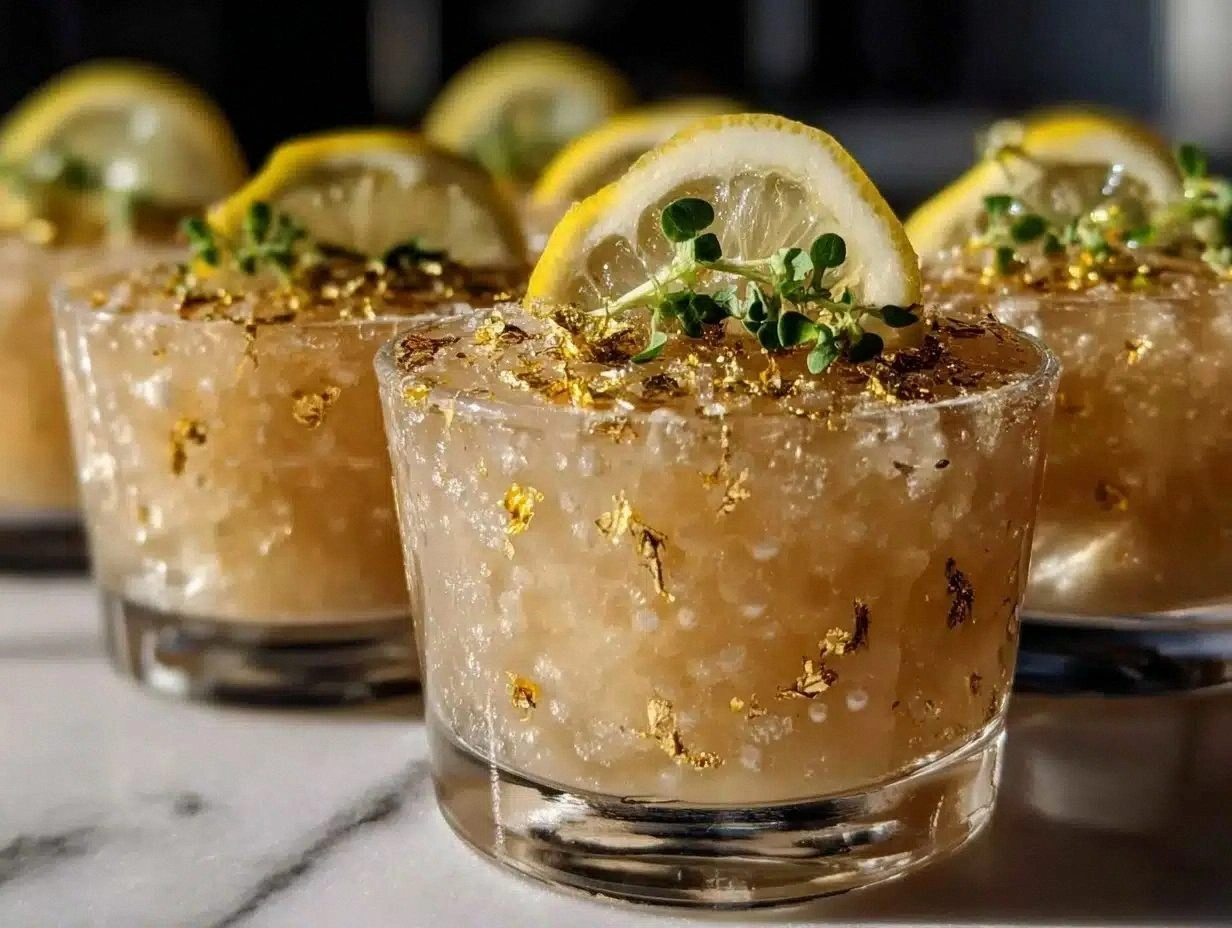
When the time’s up, gently pop each shot out of its cup. If you’re using fresh berries, drop one into each shot now; the berry will soak up a bit of the champagne, adding a burst of fruit flavor. For a sparkle effect, sprinkle a pinch of edible glitter on top — it will catch the light and make every guest feel like they’re sipping a miniature celebration.
Finally, arrange the shots on a festive platter, perhaps surrounded by extra berries, a few slices of lemon, and a handful of confetti. Serve immediately, and watch the crowd dive in. I dare you to taste this and not go back for seconds; the combination of fizz, sweetness, and a hint of citrus is downright addictive.
That's it — you did it. But hold on, I've got a few more tricks that'll take this to another level...
Insider Tricks for Flawless Results
The Temperature Rule Nobody Follows
Never pour boiling gelatin directly onto cold champagne. The shock will cause the bubbles to pop instantly, leaving you with a flat texture. Instead, let the gelatin sit in an ice bath for a minute or two, just enough to bring its temperature down without solidifying. This tiny temperature dance is the secret behind that perfect wobble.
Why Your Nose Knows Best
Before you even taste, give the mixture a quick sniff. If you detect a sharp, alcoholic edge, it means the champagne is too warm or the sugar isn’t fully dissolved. Adjust by adding a splash more chilled champagne or a pinch more sugar, then give it another sniff. Your nose is the ultimate quality control.
The 5‑Minute Rest That Changes Everything
After you pour the mixture into the cups, let it sit on the counter for exactly five minutes before refrigerating. This short pause allows air bubbles trapped during whisking to rise to the surface, preventing unsightly holes in the final shot. Trust me, those tiny bubbles can ruin the visual appeal.
Garnish Timing is Everything
Place fresh berries or glitter right after the shots have set but before you serve. If you add them too early, the berries will bleed color into the gelatin, turning the whole batch a pastel pink. If you wait too long, the glitter can sink. Timing is the difference between a classy garnish and a soggy mess.
Batch‑Size Scaling Made Simple
If you’re feeding a larger crowd, simply double every ingredient and use a larger silicone mold or multiple trays. Because the gelatin-to-liquid ratio stays constant, the texture won’t change. I once made a batch for 24 guests using a 2‑liter punch bowl and the results were just as firm and fizzy.
Creative Twists and Variations
This recipe is a playground. Here are some of my favorite ways to switch things up:
Berry‑Burst Explosion
Swap half the champagne for pureed strawberries or raspberries. The fruit puree adds natural sweetness and a vibrant color, while still keeping the fizz from the remaining champagne. Perfect for a summer garden party.
Rose‑Petal Romance
Infuse the hot water with dried edible rose petals before dissolving the gelatin. The subtle floral note pairs beautifully with the dry brut, creating a sophisticated, almost perfume‑like experience. Garnish with a single rose petal for drama.
Citrus Zest Zing
Replace the lemon juice with orange or grapefruit juice and add a teaspoon of zest. The citrus oils add a fragrant aroma that lifts the whole shot, making it feel like a mini brunch cocktail.
Spiked Vanilla Bean
Instead of vanilla extract, split a vanilla bean, scrape the seeds into the mixture, and drop the pod into the hot water while the gelatin dissolves. The vanilla bean adds specks of flavor and a luxurious aroma that feels upscale.
Midnight Glitter
Use black edible glitter and a splash of dark rum instead of champagne for a moody, Halloween‑ready version. The contrast of dark liquid and glitter makes each shot look like a tiny galaxy.
Non‑Alcoholic Sparkle
For a kid‑friendly version, replace the champagne with sparkling white grape juice. Keep the same gelatin ratio, and you’ll have a bubbly, festive treat that everyone can enjoy without the hangover.
Storing and Bringing It Back to Life
Fridge Storage
Keep the shots in an airtight container or covered tray in the refrigerator for up to 48 hours. The gelatin holds its shape, and the champagne’s bubbles remain trapped. Before serving, give each shot a quick tap on the side to release a tiny fizz burst.
Freezer Friendly
If you need to prep far in advance, you can freeze the shots for up to 2 weeks. Place them on a parchment‑lined tray, freeze solid, then transfer to a zip‑top bag. Thaw in the fridge for a few hours before serving; the texture will stay pleasantly firm.
Best Reheating Method
Should you find the shots have softened after a long day, place the tray in a 150 °F (65 °C) oven for just 5 minutes, or microwave for 10‑second bursts. Add a tiny splash of water (about a teaspoon) before reheating; the steam revives the gelatin and re‑captures the bubbles for that original pop.