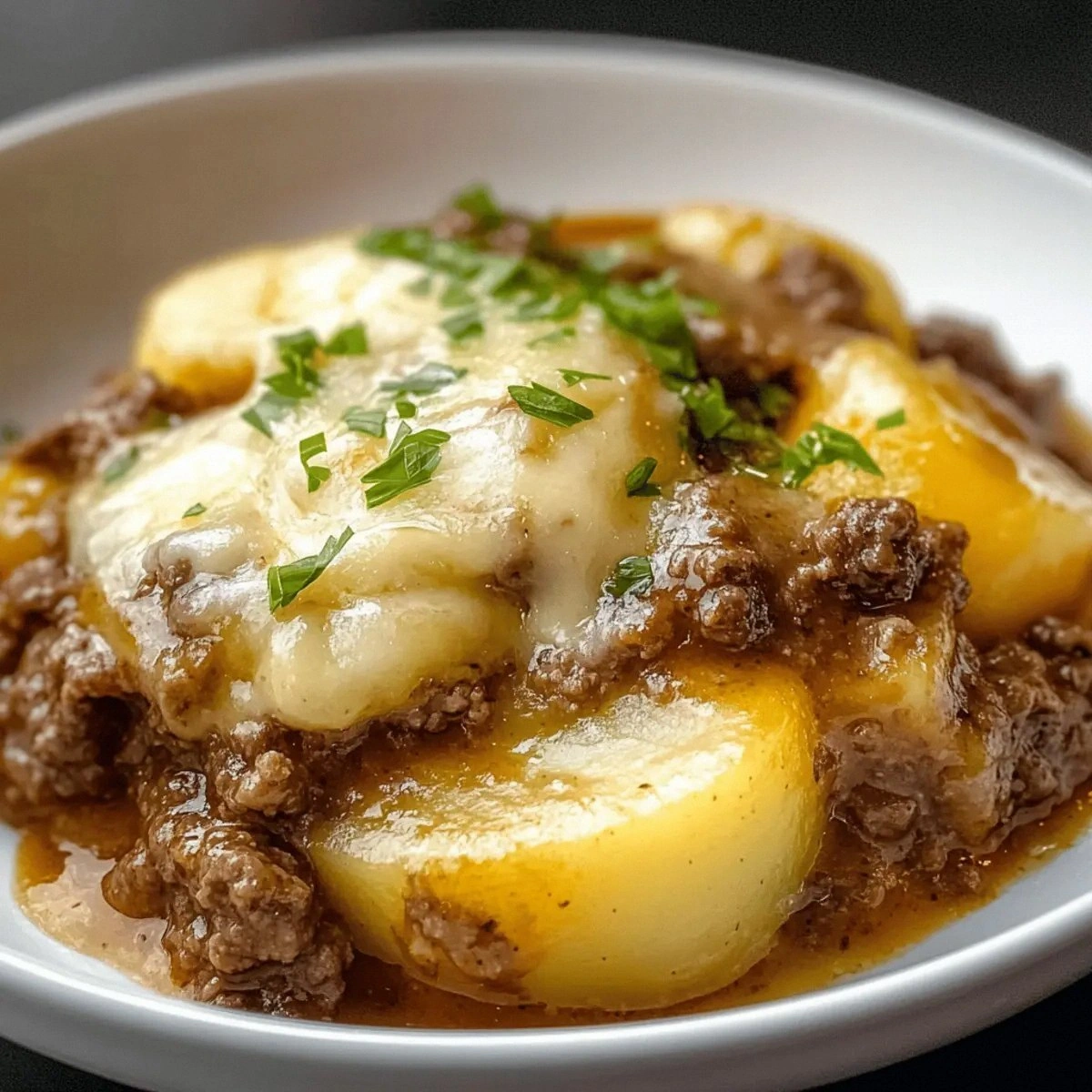
Picture this: a cramped apartment kitchen, the clock ticking, and your friend’s impatient stare as you stare at the empty fridge. I was on a mission to rescue dinner from the brink of mediocrity, armed only with a can of diced tomatoes and a stubborn block of beef. The result? A French‑style onion beef and noodle dish that turned a mundane evening into a culinary triumph. The moment the caramelized onions hit the pan, the kitchen filled with a sweet, buttery aroma that made even the most skeptical palates swoon.
I’ve spent years chasing the perfect comfort food, and I’m here to tell you that this recipe is hands down the best version you’ll ever make at home. The beef is seared to a gorgeous mahogany crust, the onions melt into a silky, caramelized sauce, and the noodles soak up every savory drop—like a velvety blanket that never lets you down. It’s the kind of dish that makes you feel like you’re hosting a five‑star dinner party in your own living room, without the fuss or the expense.
What sets this apart from the countless “French onion” recipes you’ll find online? First, it’s the balance of sweet and savory—think caramelized onions that taste like caramel but with a hint of umami. Second, the beef is slow‑braised just enough to stay tender but still hold its shape. Third, the noodles are tossed in a broth that’s thickened with a light flour roux, creating a silky texture that coats each strand. Finally, the finishing touch of fresh parsley adds a burst of color and brightness that cuts through the richness.
I dare you to taste this and not go back for seconds. Picture yourself pulling this out of the oven, the whole kitchen smelling incredible, and hearing the satisfied sighs of your guests. Stay with me here—this is worth it. Let me walk you through every single step, and by the end, you’ll wonder how you ever made it any other way.
What Makes This Version Stand Out
- Flavor: The caramelized onions provide a natural sweetness that balances the savory beef broth, creating a depth that’s both comforting and sophisticated.
- Texture: The beef remains juicy and tender, while the noodles stay al dente, offering a satisfying bite that contrasts with the silky sauce.
- Simplicity: With only a handful of ingredients and a single pot, you can achieve restaurant‑quality flavor without a kitchen that looks like a war zone.
- Uniqueness: A splash of red wine and a touch of tomato paste elevate the dish, giving it a rich, complex character that sets it apart from classic French onion soup.
- Crowd‑Pleaser: This dish is the perfect conversation starter at dinner parties—guests will ask for the recipe, and you’ll be the hero.
- Ingredient Quality: Using fresh, high‑quality beef and organic onions makes a noticeable difference in taste and overall experience.
- Cooking Method: The slow braising technique ensures maximum flavor extraction while keeping the beef tender.
- Make‑Ahead Potential: The dish can be prepared a day ahead and reheated without losing its lusciousness.
Inside the Ingredient List
The Flavor Base
The foundation of this dish lies in the aromatics: onions, carrots, celery, and thyme. These vegetables, when sautéed until translucent, release natural sugars that caramelize and form a sweet, savory base. Skipping any of these would leave the dish feeling flat and underdeveloped. If you’re short on time, use frozen diced carrots and celery—they’ll thaw quickly and still contribute their flavor.
The Texture Crew
The beef, sliced into bite‑size cubes, is the star of the show. It should be browned on all sides before adding liquids, sealing in juices and adding a rich, meaty flavor. The noodles—classic egg noodles—provide the hearty, comforting texture that soaks up the sauce. If you prefer a gluten‑free option, swap for rice noodles or spiralized zucchini, but keep the cooking time in mind.
The Unexpected Star
Red wine might look out of place in a classic French onion dish, but it adds depth and a subtle acidity that brightens the overall profile. A dry white wine works too if you’re not a fan of red. The tomato paste, on the other hand, thickens the sauce and introduces a gentle tang that balances the sweetness of the caramelized onions. If you can’t find tomato paste, a small spoonful of tomato sauce will do, but the texture may be slightly thinner.
The Final Flourish
Fresh parsley and a squeeze of lemon juice finish the dish, adding a burst of color and brightness that cuts through the richness. A pinch of smoked paprika can also bring a subtle smokiness that complements the beef. If you want an extra layer of flavor, stir in a handful of grated Gruyère or Parmesan just before serving; the cheese will melt into the sauce, creating a silky, indulgent finish.
Everything's prepped? Good. Let's get into the real action.
The Method — Step by Step
- Heat a tablespoon of olive oil and a tablespoon of butter in a heavy Dutch oven over medium‑high heat until the butter foams. Add the beef cubes in a single layer, leaving space between them. Sear each side until a deep brown crust forms, then transfer the beef to a plate. This caramelization locks in flavor; don’t rush it.
- Reduce the heat to medium and add the diced onions. Cook, stirring occasionally, until they turn translucent and begin to caramelize—about 10 minutes. The key is patience; quick sautéing will leave the onions raw and bitter.
- Add the carrots and celery, stirring to combine. Continue cooking until the vegetables soften, about 5 minutes. This step builds layers of sweetness and texture.
- Stir in the tomato paste and thyme, coating the vegetables. Cook for another minute until the paste darkens slightly, releasing its rich flavor. This creates the base for the sauce.
- Deglaze the pot with the red wine, scraping up all the browned bits from the bottom. Let the wine reduce by half, concentrating its flavor and adding depth to the broth.
- Return the beef to the pot, add the beef broth, and toss in the bay leaf. Bring the mixture to a gentle simmer, then cover and reduce the heat to low. Let it braise for 45 minutes, or until the beef is tender and the sauce has thickened.
- While the beef braises, cook the noodles according to the package instructions until al dente. Drain and set aside. If you’re using egg noodles, toss them with a splash of olive oil to prevent sticking.
- After the beef has finished braising, stir in the cooked noodles, reserving a cup of the braising liquid for later. This ensures the noodles absorb the sauce without becoming mushy.
- If the sauce is too thick, add a bit of reserved liquid until you reach the desired consistency. Taste and season with salt and pepper, then stir in fresh parsley and a squeeze of lemon juice for brightness.
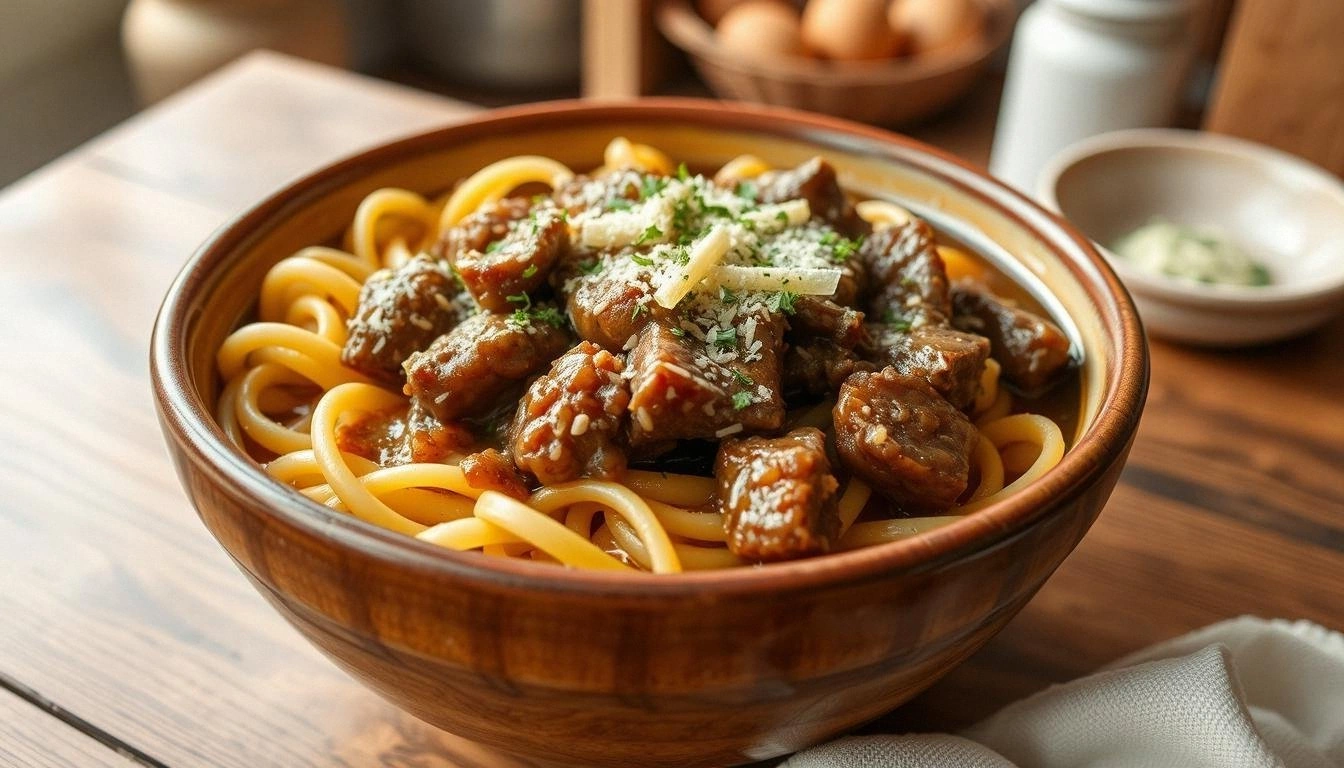
- Serve hot, optionally topping with grated cheese. The dish should look glossy, with the noodles coated in a silky sauce and the beef pieces glistening. That sizzle when it hits the pan? Absolute perfection.
That's it — you did it. But hold on, I've got a few more tricks that'll take this to another level.
Insider Tricks for Flawless Results
The Temperature Rule Nobody Follows
Many cooks think a high simmer is best for braising, but a low, steady simmer preserves the beef’s tenderness and allows flavors to meld. Keep the pot covered and the heat low; if the liquid starts to evaporate too quickly, add a splash of water. This method reduces the risk of the beef drying out.
Why Your Nose Knows Best
Smell is a powerful indicator of doneness. When the beef is fully cooked, the aroma should be rich, deep, and slightly sweet from the caramelized onions. If it still smells raw, give it a few more minutes.
The 5‑Minute Rest That Changes Everything
After braising, let the beef sit covered for five minutes before serving. This allows the juices to redistribute, keeping the meat moist and flavorful. I’ve seen people skip this step and end up with dry, over‑cooked beef.
Use a Thickening Agent for a Silky Sauce
A light roux—flour cooked in butter—helps thicken the sauce without adding heaviness. Stir the roux into the sauce and let it simmer for a minute to cook off the raw flour taste. This gives the dish a velvety mouthfeel.
Finish with Fresh Herbs
Fresh parsley and a squeeze of lemon juice brighten the dish and cut through the richness. Don’t forget to sprinkle the herbs just before serving; they lose their vibrancy if left to sit too long.
Creative Twists and Variations
This recipe is a playground. Here are some of my favorite ways to switch things up:
Spicy Cajun Kick
Add a teaspoon of Cajun seasoning to the onions and a pinch of cayenne pepper to the sauce. The heat balances the sweetness, creating a bold, smoky flavor that pairs well with the beef.
Vegetarian Delight
Replace the beef with hearty mushrooms and use vegetable broth. The mushrooms absorb the sauce and provide a meaty texture, making this a satisfying plant‑based alternative.
Cheesy Creamy Edition
Stir in a handful of shredded Gruyère or Swiss cheese just before serving. The cheese melts into the sauce, adding a creamy texture and a nutty flavor that elevates the dish.
Asian Fusion
Swap the red wine for soy sauce and add a splash of sesame oil. Toss in sliced shiitake mushrooms and a handful of bok choy for an Asian twist that keeps the comfort factor intact.
Low‑Carb Version
Use spiralized zucchini or shirataki noodles instead of egg noodles. Keep the sauce low‑fat by reducing the butter and using a lean cut of beef.
Breakfast‑Inspired
Serve the sauce over a bed of scrambled eggs instead of noodles. This makes for a hearty, protein‑rich breakfast that will keep you full until lunch.
Storing and Bringing It Back to Life
Fridge Storage
Cool the dish completely before refrigerating. Store in an airtight container for up to 3 days. The flavors deepen, making it even more delicious.
Freezer Friendly
Cool and divide the dish into portion‑sized containers. Freeze for up to 2 months. When ready to eat, thaw overnight in the fridge.
Best Reheating Method
Reheat on the stovetop over low heat, adding a splash of water or broth to keep the sauce from drying out. A quick 5‑minute stir in a pan is enough to revive the dish to its original glory.