I was standing in my kitchen on a crisp October evening, the wind howling outside like a restless wolf, when my roommate dared me to create a cocktail that could make a pumpkin spice latte blush. I stared at my half‑filled wine glass, the amber liquid glimmering in the low light, and thought, “What if I could bottle the whole feeling of a harvest moon?” The first attempt was a disaster – I tossed in too much brandy, the cinnamon overpowered everything, and the result tasted like a burnt candle. But I didn’t quit; I went back to the pantry, pulled out a bottle of Merlot, a jug of apple cider, and a handful of fresh orchard fruits, and set out to craft something that would hug you from the inside out.
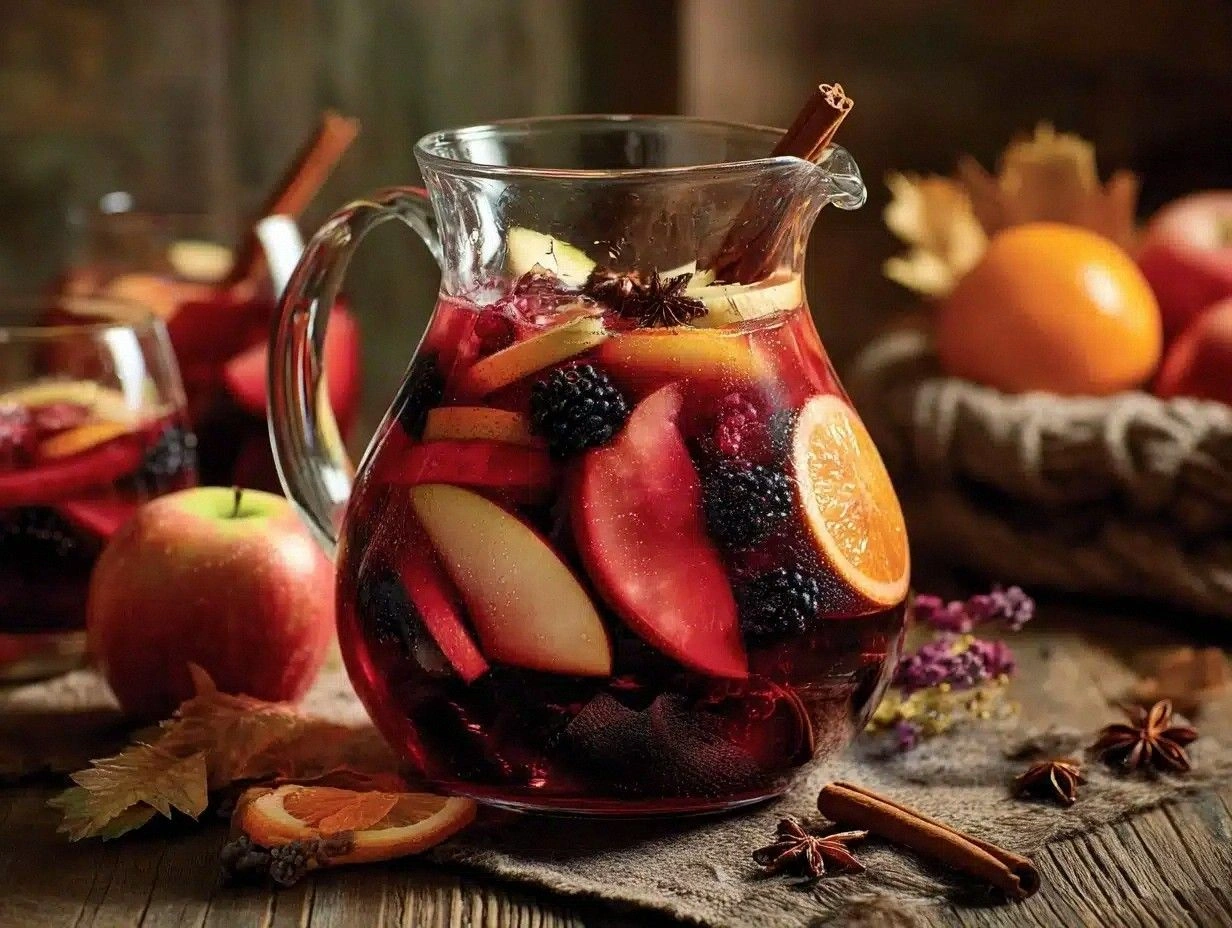
Imagine the moment you pour this sangria into a glass: the ruby‑red wine swirling with the golden hue of cider, specks of orange and apple floating like tiny lanterns, and a faint perfume of cinnamon and cloves drifting up to meet your nose. You hear the gentle fizz of club soda as it kisses the surface, and you feel the cool glass against your palm while the warmth of brandy seeps into your throat. The taste is a perfect balance – the fruit’s crisp sweetness, the wine’s mellow tannins, and the spice’s comforting heat, all rounded off by a drizzle of maple syrup that adds a buttery, autumnal glow. It’s the kind of drink that makes you want to curl up by the fire, pull a blanket over your knees, and watch the leaves tumble by the window.
Most sangria recipes either drown the fruit in wine or hide the spice behind a sugary veil. This version, however, respects each component like a well‑rehearsed orchestra, letting the apple cider sing, the brandy provide the bass line, and the cinnamon and cloves add just the right amount of intrigue. I’ll be honest — I ate half the batch before anyone else got a chance to try it, and the only thing that stopped me was the empty pitcher and the sound of my friend shouting, “You’re cheating!” The secret? A simple technique that extracts flavor without cooking, plus a surprise ingredient that elevates the whole thing.
Let me walk you through every single step — by the end, you’ll wonder how you ever made it any other way. Okay, ready for the game‑changer? This next part? Pure magic. Stay with me here — this is worth it.
What Makes This Version Stand Out
- Taste: The marriage of red wine and apple cider creates a layered palate that’s both fruity and subtly tart, while the maple syrup adds a caramel‑kissed finish.
- Texture: Fresh apple and pear slices stay crisp, offering a satisfying bite that contrasts with the silky liquid.
- Simplicity: No cooking, no simmering; just a few minutes of gentle stirring and a night in the fridge to let the flavors mingle.
- Uniqueness: The combination of whole cloves and cinnamon sticks infuses a warm spice that feels like a hug from a grandparent.
- Crowd Reaction: Guests swear they can taste the “harvest moon” in every sip, and the drink becomes the conversation starter at any gathering.
- Ingredient Quality: Using a medium‑bodied red wine with fruit notes lets the natural sweetness of the cider and fruit shine without being overpowered.
- Method: The cold‑infusion technique preserves the bright, fresh flavors of the fruit while allowing the spices to meld slowly.
- Make‑Ahead Potential: Prepare it a day ahead, and the flavors deepen, making it even more irresistible.
Inside the Ingredient List
The Flavor Base
Red Wine is the backbone of this sangria. I recommend a medium‑bodied Merlot, Cabernet Sauvignon, or Zinfandel because their fruit‑forward profiles complement the apple cider without becoming too tannic. Skipping the wine would leave the drink flat and overly sweet, so don’t be tempted to replace it with just cider. When shopping, swirl the glass and look for a deep ruby color with hints of violet – that’s a sign of good fruit concentration.
Apple Cider brings the quintessential fall sweetness and a subtle acidity that brightens the wine. If you use a store‑bought variety, choose one that’s 100% juice with no added preservatives; they can mute the spice notes. A dry cider works better than a super sweet one, as it lets the maple syrup provide the right amount of caramel depth. For a non‑alcoholic version, simply double the cider and omit the wine and brandy.
The Texture Crew
Apples and pears are the crunchy heroes. I swear by Honeycrisp apples for their juicy snap and Bartlett pears for their buttery softness. Slice them thinly – about a quarter‑inch – so they release flavor quickly while still maintaining a bite. If you leave them whole, they’ll become mushy after a few hours, and the drink will lose that satisfying crunch.
Orange slices add a citrusy brightness that cuts through the richness of the wine and brandy. Use a fresh, thinly sliced orange, removing any pith to avoid bitterness. If you’re allergic to citrus, a splash of grapefruit juice can provide a similar zing without the same level of acidity.
The Unexpected Star
Cinnamon sticks and whole cloves are the spice duo that turns this sangria from ordinary to extraordinary. A single cinnamon stick infuses a warm, sweet aroma that reminds you of a cozy sweater, while just six whole cloves add an aromatic depth that lingers on the palate. Over‑spicing is a common pitfall – a handful of cloves can dominate the drink, turning it bitter. So measure carefully and trust the process.
Maple syrup is the natural sweetener that ties everything together. Its caramel notes echo the apple and pear, and it blends seamlessly with the wine’s fruitiness. If you’re watching sugar, reduce the amount to two tablespoons, but expect a slightly drier finish.
The Final Flourish
Brandy contributes a warm, rich depth that rounds out the flavor profile. A splash (about ¼ cup) is enough to elevate the cocktail without making it taste like straight spirits. If you prefer a lighter version, substitute a fruit‑based brandy like apple brandy, which will reinforce the orchard notes.
Club soda is the finishing touch, adding a bright fizz that lightens the mouthfeel and makes the sangria feel celebratory. Pour it in just before serving to keep the bubbles lively. If you like a gentler sparkle, use sparkling water with a hint of natural flavor, such as pear or apple.
Everything's prepped? Good. Let's get into the real action…
The Method — Step by Step
Start by selecting a large, wide‑mouth pitcher (at least 2‑liter capacity). Pour the two cups of red wine and two cups of apple cider into the pitcher, then give it a gentle stir. You’ll notice the wine’s deep ruby color mixing with the cider’s amber, creating a sunset‑like hue. Power transition: This is the moment where the base starts to sing.
Add the quarter‑cup of brandy to the mixture. As it cascades down, you’ll smell the subtle warmth of oak and fruit. Let the liquid sit for about two minutes so the alcohol integrates fully; this prevents a harsh bite later on.
Kitchen Hack: Warm the brandy slightly (no more than 40°C) before adding; it melds faster with the cooler wine and cider.Now it’s time for the fruit. Toss the thinly sliced apples, pears, and orange rounds into the pitcher. The fruit should float like tiny moons on a liquid sky. Gently press the slices with a wooden spoon to release a little juice, but don’t mash them – you want the pieces to stay intact for later serving.
Drop in the two cinnamon sticks and six whole cloves. As they sink, a fragrant steam rises, filling the kitchen with a scent that could coax a grin from the grumpiest neighbor. Let the mixture rest for five minutes, then give it a soft stir to distribute the spices evenly.
Drizzle the three tablespoons of maple syrup over the top. Watch as it swirls and dissolves, turning the liquid a richer, amber shade. Taste the sangria at this point – it should be sweet but not cloying; the maple should feel like a gentle whisper, not a shout.
Watch Out: Adding too much maple syrup will mask the subtle spice notes. Stick to the measured amount.Cover the pitcher with plastic wrap and refrigerate for at least three hours, preferably overnight. This cold‑infusion allows the fruit and spices to meld without cooking, preserving the crisp texture of the apples and pears. If you’re impatient, a quick 30‑minute chill will still work, but the depth of flavor will be less pronounced.
Just before serving, gently stir the sangria again, then top each glass with a splash of club soda (about ¼ cup per glass). The fizz should rise like a tiny fireworks display, creating a lively surface that tickles the nose. Power transition: This is the final flourish that turns a good drink into a show‑stopper.
Serve the sangria in wide‑rimmed glasses, ensuring each pour includes a generous amount of fruit, a cinnamon stick, and a couple of orange slices for garnish. Encourage guests to stir their own glass before sipping to redistribute the flavors. And finally, sit back, watch the smiles appear, and remember the dare that started it all.
That's it — you did it. But hold on, I've got a few more tricks that'll take this to another level…
Insider Tricks for Flawless Results
The Temperature Rule Nobody Follows
Never let the sangria sit at room temperature for more than ten minutes after adding the club soda. Warm temperatures cause the bubbles to dissipate quickly, leaving the drink flat. Keep the pitcher in the fridge until the very moment you’re ready to serve, and bring out the glasses chilled as well. I once left a batch out for an hour and learned the hard way that fizz is fickle.
Why Your Nose Knows Best
Before you taste, take a deep sniff of the mixture. If you detect a sharp clove bite or an overly sweet maple note, adjust with a splash of fresh cider or a pinch of extra orange zest. Your nose can catch imbalances before your palate does, saving you from an off‑balance sip. Trust that instinct – it’s the secret weapon of seasoned bartenders.
The 5‑Minute Rest That Changes Everything
After stirring in the club soda, let the glasses sit for five minutes. This brief pause lets the fruit settle, the spices mellow, and the carbonation integrate, resulting in a smoother mouthfeel. Skipping this step is a common mistake; the drink can taste overly sharp or “bubbly” without the balance.
The Fruit‑First Technique
If you’re short on time, toss the sliced fruit into the wine and cider first, then let it sit for just 30 minutes. The fruit will still impart its flavor, though not as deep as an overnight soak. This hack saved me a last‑minute party when the clock was ticking.
The Cinnamon Stick Swap
For a subtler spice profile, replace one of the two cinnamon sticks with a vanilla bean split lengthwise. The vanilla adds a sweet, aromatic layer that pairs beautifully with maple syrup. A friend tried this once and declared it “the most elegant sangria ever.”
Creative Twists and Variations
This recipe is a playground. Here are some of my favorite ways to switch things up:
Spiced Cranberry Burst
Swap half of the apple cider for unsweetened cranberry juice and add a handful of fresh cranberries. The tartness cuts through the sweetness, and the deep red hue makes the drink look even more festive – perfect for Thanksgiving.
Maple‑Bourbon Fusion
Replace the brandy with bourbon and increase the maple syrup to four tablespoons. The smoky notes of bourbon meld with the caramel of maple, creating a richer, more robust cocktail that pairs well with grilled meats.
Tropical Harvest
Add a splash of pineapple juice and a few slices of fresh pineapple. The tropical sweetness brightens the autumnal base, making it a surprising yet delightful hybrid for holiday parties.
Non‑Alcoholic Autumn Mocktail
Omit the wine and brandy, double the apple cider, and add a teaspoon of pomegranate molasses for depth. Top with club soda as usual. This version keeps all the spice and fruit flavors while being suitable for all ages.
Herbal Infusion
Add a sprig of fresh rosemary or thyme to the pitcher during the cold‑infusion stage. The herb’s earthy aroma adds an unexpected layer that pairs wonderfully with the maple and cinnamon.
Storing and Bringing It Back to Life
Fridge Storage
Transfer any leftover sangria to an airtight glass jar and refrigerate. It will stay fresh for up to three days, though the fruit may soften. Before serving again, give it a gentle shake and top with fresh club soda to revive the fizz.
Freezer Friendly
If you’ve made a large batch, you can freeze the sangria (minus the club soda) in freezer‑safe containers for up to two months. Thaw in the refrigerator overnight, then stir in the soda just before serving. This method preserves the flavor without sacrificing the sparkle.
Best Reheating Method
While sangria is best served cold, you can gently warm it for a cozy hot cocktail. Place the liquid (without soda) in a saucepan over low heat, add a splash of water, and stir until just warm. Avoid boiling – you’ll lose the delicate fruit notes. Finish with a quick pour of club soda for a warm‑and‑fizzy twist.