Introduction
Picture this: a rainy Thursday evening, the kitchen lights flickering, and the smell of a burnt garlic sauté lingering like a stubborn ghost. I was staring at a whole snapper that had been sitting in my fridge for a week, feeling a mix of dread and curiosity. I dared myself to turn that fish into something that would make my taste buds sing louder than the thunder outside. That moment of culinary desperation turned into a revelation, and I discovered a glaze that transforms ordinary fish into a glossy, caramelized masterpiece.
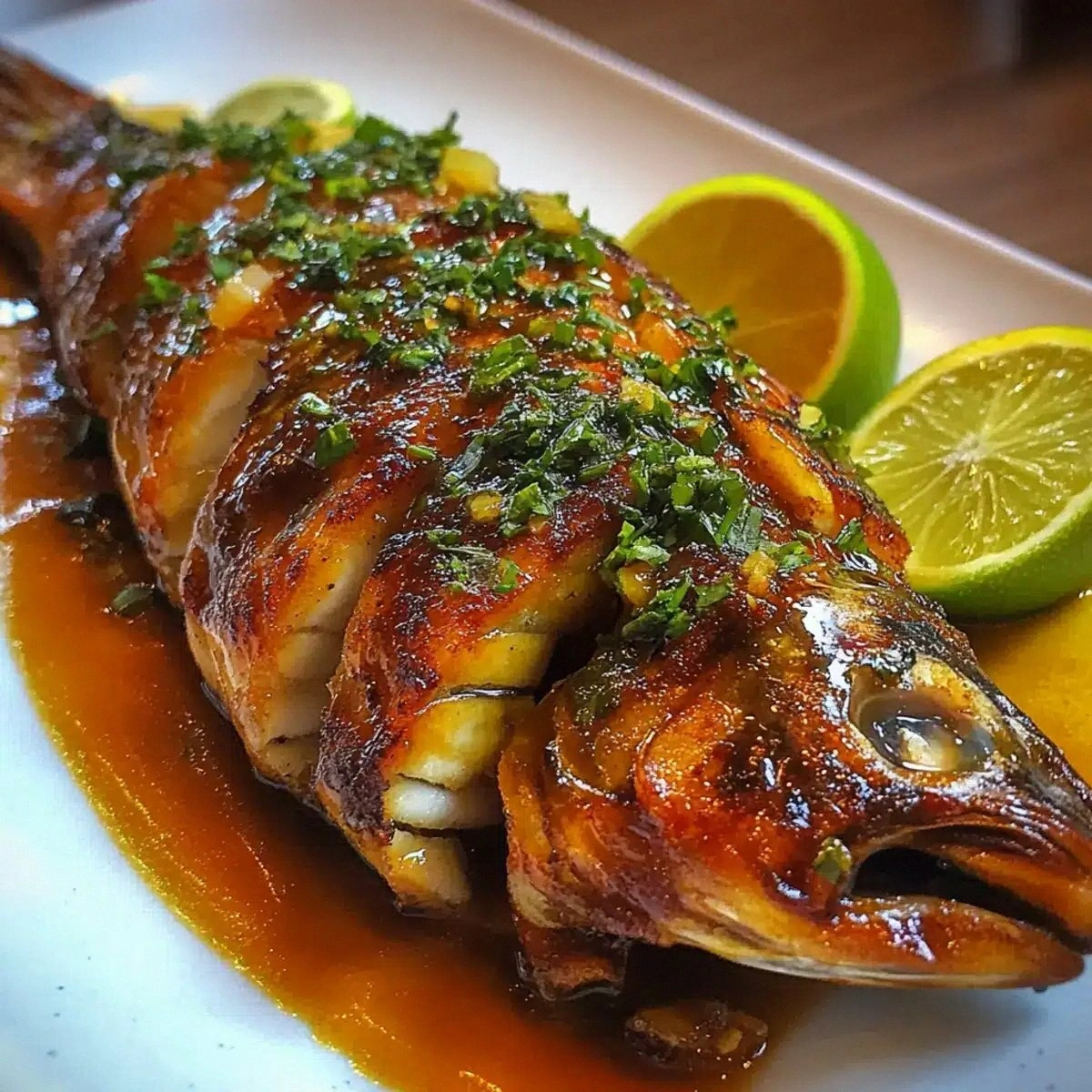
The first thing that hits you is the aroma—sweet, umami, citrusy, and a faint hint of toasted sesame. As the glaze simmers, it releases a fragrance that feels like a tropical breeze in a storm, a contrast that instantly lifts the mood in the kitchen. The snapper’s skin sizzles on the pan, producing a crackling sound that feels like applause, while the flesh inside remains tender and moist, practically melting in your mouth. The visual transformation from raw to golden is almost cinematic, as if the fish is undergoing a metamorphosis.
What sets this version apart from countless other fish recipes is the delicate balance between the salty depth of miso and the bright zing of citrus. The glaze coats the fish like a velvet ribbon, giving it a glossy finish that catches the light and promises a crunch that shatters like thin ice. I dare you to taste this and not go back for seconds because once you experience that sweet-salty explosion, you’ll never settle for bland again. Most recipes get this completely wrong—here's what actually works: the right proportion of miso to citrus, the proper cooking temperature, and the timing of the glaze application.
Picture yourself pulling this out of the pan, the whole kitchen smelling incredible, and your guests’ eyes widening as the fish glistens. Let me walk you through every single step—by the end, you’ll wonder how you ever made it any other way. And trust me, the payoff is worth the effort, because this is hands down the best version you'll ever make at home.
What Makes This Version Stand Out
- Flavor: The blend of white miso and citrus juice creates a layered profile that is both savory and bright, unlike any standard fish glaze that leans too much on one side.
- Texture: The glaze caramelizes to a crisp, almost caramelized crust while leaving the interior buttery and flaky, a duality that few recipes achieve.
- Ingredient Quality: Using fresh, high‑quality snapper ensures that the delicate flavors of the glaze shine through rather than being masked by a fish that’s already over‑cooked.
- Simplicity: With just ten minutes of prep and twenty minutes of cooking, this dish feels like a gourmet experience without the intimidation of a complicated technique.
- Uniqueness: The subtle heat from grated ginger and the subtle crunch of sesame oil add a dimension that keeps the dish from feeling flat.
- Make‑ahead Potential: The glaze can be pre‑made and stored, and the fish can be marinated for a few hours, making this dish a perfect candidate for meal prep or entertaining.
- Crowd Reaction: Guests often ask for the recipe after the first bite, because the combination of sweet, salty, and citrus is universally appealing.
- Versatility: Swap the snapper for other firm white fish, or adjust the citrus for a different flavor profile—this recipe is a playground.
Alright, let's break down exactly what goes into this masterpiece...
Inside the Ingredient List
The Flavor Base
White miso paste is the cornerstone of this glaze, providing a subtle, fermented umami that balances the acidity of citrus. Its saltiness is not overpowering; instead, it enriches the fish's natural flavors, allowing the citrus to pop. If you skip miso, the glaze loses depth and becomes a simple sweet‑sour sauce that feels flat. For a richer taste, use a darker miso, but be mindful that it will darken the glaze and increase the salt content.
The Texture Crew
Sesame oil is more than a flavor enhancer; it contributes to the glaze's glossy sheen and helps the coating set into a crisp crust. The slight nutty aroma from the oil lifts the entire dish, making it feel more sophisticated. If you cannot find sesame oil, a neutral oil will work, but you’ll lose that subtle nutty undertone. A splash of rice vinegar can also be added for extra brightness if you prefer a tangier finish.
The Unexpected Star
Fresh ginger, grated finely, adds a gentle heat that cuts through the sweetness of honey and the saltiness of miso. The ginger’s aroma is both invigorating and comforting, creating a sensory experience that feels like a warm hug. Skipping ginger results in a glaze that is sweet but lacks that complex kick, making the dish feel one‑dimensional. For a spicier version, add a pinch of red pepper flakes.
The Final Flourish
Fresh cilantro or scallions are added at the very end to introduce a bright, herbal note that cuts through the richness of the glaze. Their peppery flavor complements the citrus and balances the sweetness of honey. If you’re allergic to cilantro, scallions are a perfect substitute, offering a milder yet still refreshing finish. A squeeze of fresh lemon or lime juice just before serving can also brighten the dish further, making it feel even more vibrant.
Everything's prepped? Good. Let's get into the real action...
The Method — Step by Step
- First, rinse the snapper under cold water and pat it dry with paper towels; this step is crucial because moisture will steam the fish instead of searing it. Season both sides lightly with salt and pepper, then place the fish skin‑side down in a hot, lightly oiled skillet over medium‑high heat. The pan should be hot enough that the fish sizzles immediately, creating a beautiful sear that locks in juices. Watch the edges; when they begin to lift, you know the fish is ready to flip.
- While the fish is searing, whisk together the miso paste, citrus juice, soy sauce, honey, minced garlic, grated ginger, and sesame oil in a small bowl until you have a smooth, glossy glaze. The mixture should look like a thick, amber syrup; if it’s too thick, add a splash of water to thin it out. This glaze will be the star of the dish, so make sure it’s well‑combined.
- Once the fish is flipped, spoon half of the glaze over the top, letting it pool on the surface. Reduce the heat to medium‑low so the glaze can caramelize without burning. The glaze should bubble gently, releasing a sweet aroma that fills the kitchen and signals that the cooking process is in full swing.
- After about three minutes, use a spoon to baste the fish continually, ensuring every inch of the surface is coated. This baste creates a uniform crust that is both crunchy and flavorful. The fish’s skin should look glossy and slightly caramelized, while the flesh remains opaque and tender.
- When the glaze has thickened to a syrupy consistency and the fish is cooked through (the flesh should flake easily with a fork), remove the pan from heat. This is the moment of truth—if the glaze is too thin, the fish will be soggy; if it’s too thick, it will burn.
- Add the fresh cilantro or scallions to the pan, letting them wilt slightly in the residual heat. This step adds a burst of color and a fresh herbal note that cuts through the richness of the glaze.
- Transfer the fish to a serving platter, spooning any remaining glaze over the top. Let it rest for a minute so the juices redistribute, then drizzle a final splash of citrus juice if desired. The fish should look glossy, the glaze should be slightly caramelized, and the aroma should be irresistible.
- Serve immediately with steamed rice or crusty bread, allowing guests to soak up the remaining glaze. The combination of the crisp fish, sweet glaze, and neutral base creates a harmonious balance that will leave everyone wanting more.
That's it — you did it. But hold on, I've got a few more tricks that'll take this to another level...
Insider Tricks for Flawless Results
The Temperature Rule Nobody Follows
Many cooks assume that higher heat always produces a better sear, but the snapper’s delicate flesh requires a controlled medium‑high heat that allows the glaze to caramelize without burning. Start with a hot pan, then reduce the heat to medium‑low once the fish is flipped; this subtle adjustment preserves the texture and prevents the glaze from turning into a bitter residue.
Why Your Nose Knows Best
Your nose can tell you when the glaze has reached the perfect caramelization point. A sweet, caramel scent indicates that the sugars are blooming, while a burnt scent signals that the glaze is overcooked. Trust that instinct; it’s a reliable indicator that the dish is ready to be served.
The 5‑Minute Rest That Changes Everything
After removing the fish from the pan, let it rest for exactly five minutes. This pause allows the juices to redistribute, ensuring each bite is moist and flavorful. Skipping this rest can result in a dry, uneven texture that feels like you rushed the dish.
Use a Fish Thermometer for Precision
If you’re a perfectionist, insert a thermometer into the thickest part of the fish; it should read 145°F (63°C) for safe consumption. This method guarantees that the fish is cooked through without over‑cooking, preserving its tender texture.
Keep the Skin Intact
Always cook the fish skin‑side down first; the skin protects the flesh from direct heat, preventing it from drying out. Removing the skin after cooking also makes for a cleaner presentation and a more enjoyable eating experience.
Serve Immediately, Don’t Let It Sit
The glaze’s caramelized edges will soften if left to sit, losing that coveted crunch. Serve the fish right after it comes off the pan for maximum texture and flavor.
Creative Twists and Variations
This recipe is a playground. Here are some of my favorite ways to switch things up:
Asian Fusion Twist
Replace the white miso with fermented soybean paste and add a splash of sriracha to the glaze for a spicy kick. Swap the snapper for a thicker fish like halibut or sea bass, which hold up well to the robust sauce. Serve over jasmine rice for an extra layer of fragrance.
Herbal Garden Variation
Incorporate fresh basil and mint into the glaze, creating a fresh, herbaceous profile that pairs beautifully with the citrus. Add a handful of sliced red chilies to introduce a subtle heat. Serve with quinoa or couscous for a light, healthy side.
Smoky BBQ Version
Add a tablespoon of smoked paprika to the glaze and finish the fish over an open flame for a smoky aroma. Replace honey with maple syrup for a deeper sweetness. Pair with grilled corn on the cob for a southern feel.
Vegetarian Swap
Use a firm white vegetable like cauliflower or eggplant, sliced into thick rounds, and marinate in the same glaze. Bake instead of pan‑sear to achieve a similar caramelized crust. Serve over a bed of wild rice for a hearty, plant‑based meal.
Low‑Carb Keto Variation
Replace the citrus juice with a splash of lemon and use a sugar‑free honey alternative. Serve the fish with a side of sautéed spinach and avocado for a keto‑friendly dish that still delivers on flavor.
Gluten‑Free Take
Ensure the soy sauce is tamari, a gluten‑free alternative, and serve the fish with cauliflower rice or a simple green salad. The glaze remains the same, providing all the flavor without the gluten.
Storing and Bringing It Back to Life
Fridge Storage
Store any leftover fish and glaze in an airtight container in the refrigerator for up to three days. When ready to eat, reheat gently on the stovetop or in a microwave, adding a splash of water to keep it moist. The glaze may thicken after refrigeration, so stir it well before reheating to restore its silky texture.
Freezer Friendly
For longer storage, place the cooked fish in a freezer‑safe bag, removing as much air as possible. Freeze for up to two months. When thawing, do so overnight in the refrigerator and reheat slowly on low heat, adding a bit of water to rehydrate the flesh.
Best Reheating Method
The optimal way to reheat is to place the fish in a pre‑heated oven at 350°F (175°C) for five minutes, then finish on a hot skillet for a minute to restore the crisp crust. If you’re short on time, microwave on medium power for 30 seconds, then finish in a skillet. The key is to avoid overheating, which can dry out the fish.