I was halfway through a frantic morning—coffee spilling, toast burning, and my roommate daring me to make something “fancy” with the leftovers in the fridge. I grabbed a block of feta, a handful of cherry tomatoes, and a lonely carton of eggs, thinking I’d just scramble something, but then a flash of inspiration hit me like a lightning bolt in a Mediterranean storm. I imagined the salty tang of feta melting into a golden sea of egg whites, dotted with briny olives and sweet tomatoes, all baked to perfection. The kitchen filled with the scent of oregano and olive oil, and I swear the oven whispered, “this is it.” That moment turned a chaotic scramble into what I now call the ultimate brunch hero.
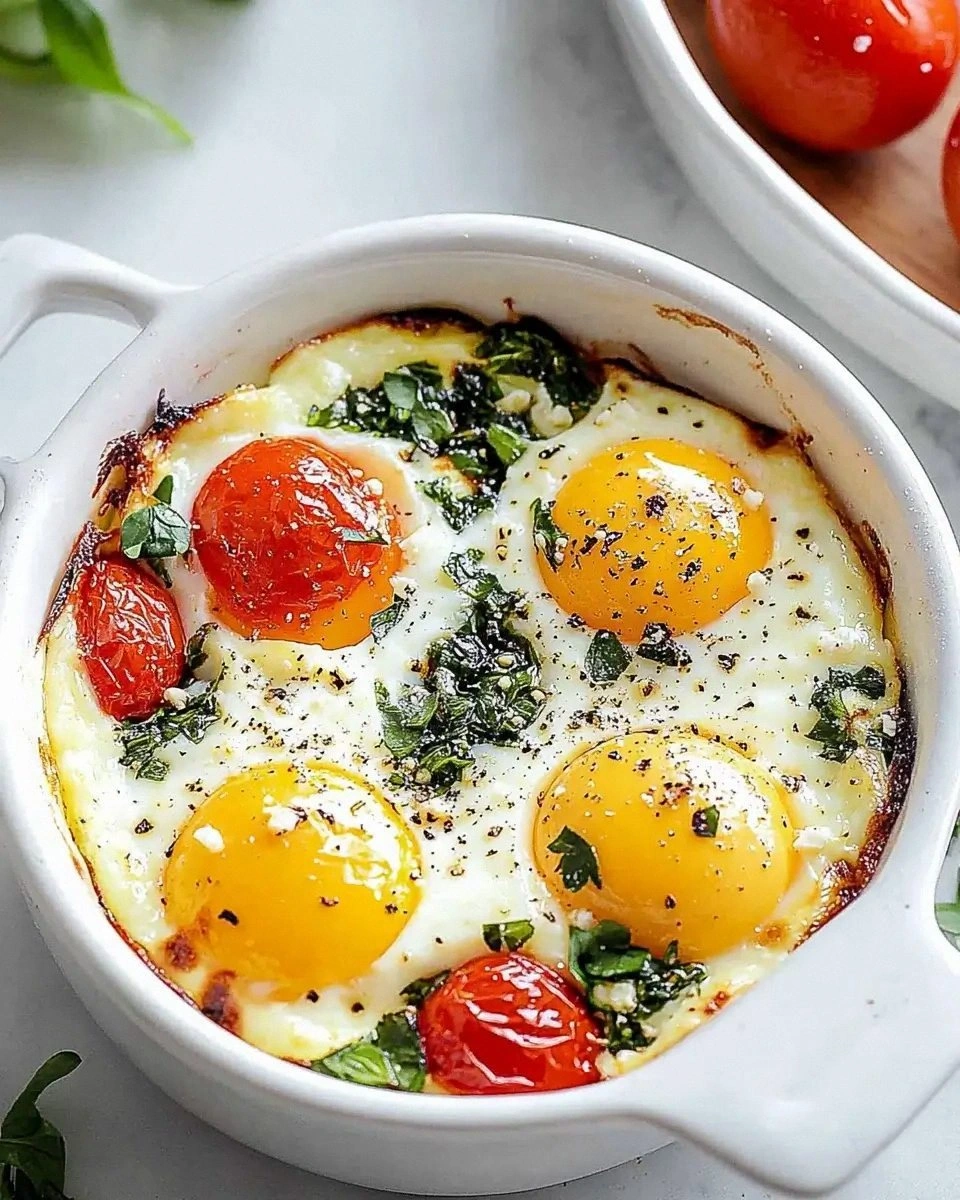
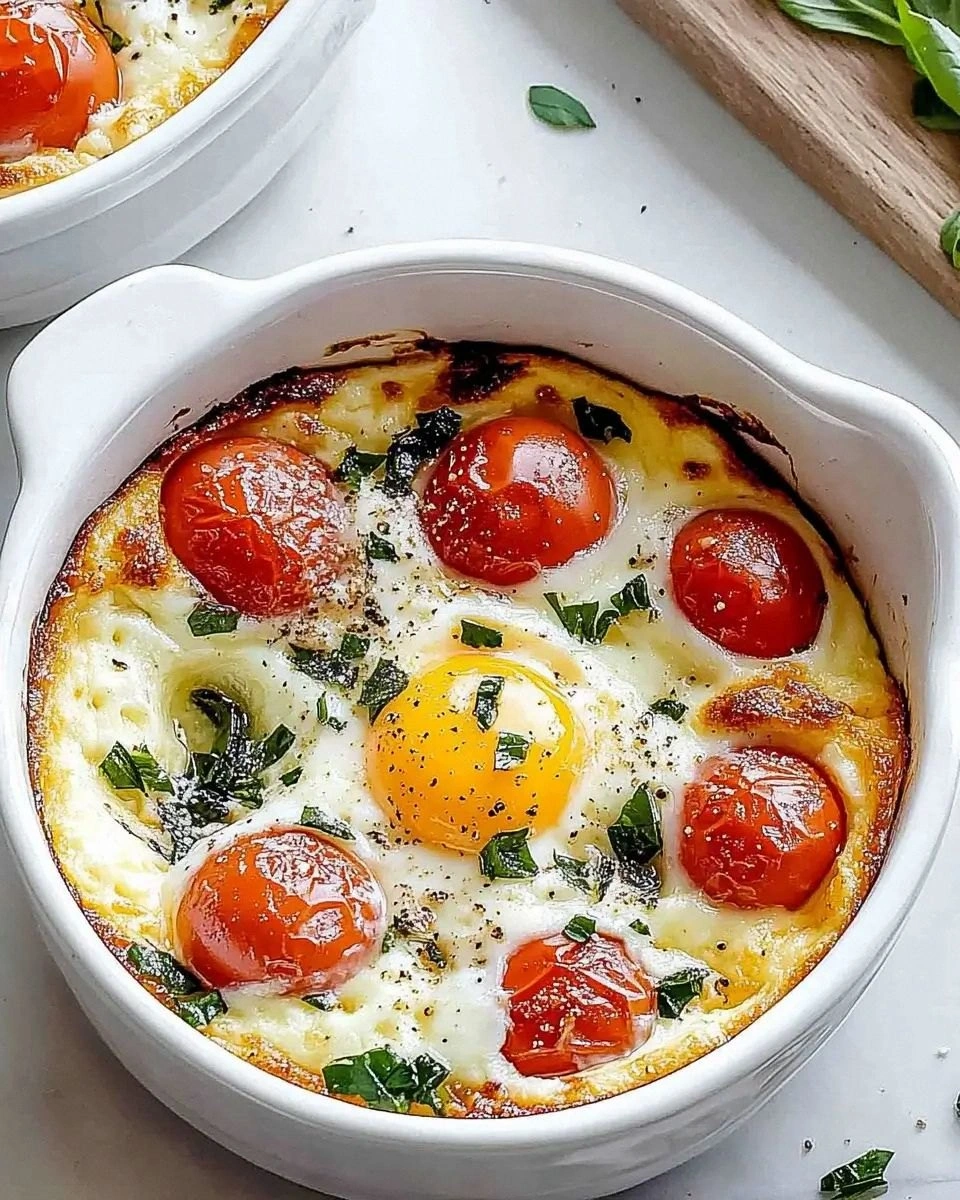
Picture this: the oven door swings open, and a bubbling, golden crust rises, speckled with ruby‑red tomatoes that burst with juice the instant you cut into them. The feta, once firm and crumbly, has softened into a creamy, salty blanket that clings to each egg like a lover’s embrace. The olives add a briny snap that cuts through the richness, while a whisper of red pepper flakes gives a gentle heat that lingers on the palate. The aroma? A heady mix of toasted herbs, roasted tomatoes, and the earthy perfume of olive oil that makes your entire apartment feel like a sun‑kissed Greek taverna.
Why does this version stand out from every other baked‑egg recipe you’ve seen on Instagram? Most recipes either drown the eggs in a sea of cheese or forget the crucial balance of texture—soft, custardy whites with slightly crisped edges. I’ve cracked the code by using just enough feta to melt without overwhelming, and by tossing in cherry tomatoes that caramelize just enough to add a sweet‑tart pop. The secret? A quick drizzle of olive oil and a dash of oregano that infuses the dish with Mediterranean sunshine in every bite.
And there’s a little twist you won’t see anywhere else: a splash of water added to the pan before baking. This creates a gentle steam that lifts the eggs, giving them a cloud‑like fluffiness while keeping the feta’s creamy texture intact. I dare you to taste this and not go back for seconds. Let me walk you through every single step — by the end, you’ll wonder how you ever made it any other way.
What Makes This Version Stand Out
- Flavor Fusion: The combination of tangy feta, sweet tomatoes, and briny olives creates a symphony that dances on your tongue, making each bite an adventure.
- Texture Balance: Soft, custardy egg whites meet a slightly crisped edge, while the feta offers a creamy melt that never turns rubbery.
- Simplicity: Fewer than ten ingredients, all pantry‑friendly, and a single sheet pan—no fancy gadgets required.
- Unique Twist: The splash of water creates steam, resulting in a cloud‑like lift that most baked‑egg dishes lack.
- Crowd Reaction: Serve it at brunch and watch the “wow” factor skyrocket; even the most skeptical eaters beg for the recipe.
- Ingredient Quality: Using high‑quality feta and extra‑virgin olive oil turns a humble dish into a gourmet experience.
- Cooking Method: Baking ensures even heat distribution, eliminating the need to flip or scramble, which preserves the yolk’s golden center.
- Make‑Ahead Potential: This dish reheats beautifully, making it perfect for meal prep or a quick weekend brunch.
Inside the Ingredient List
The Flavor Base
Cherry tomatoes are the sweet heart of this dish. Their natural sugars caramelize in the oven, releasing a burst of acidity that cuts through the richness of the feta and eggs. If you skip them, you lose that bright, juicy contrast and the dish can feel one‑dimensional. A good swap is sun‑dried tomatoes, but remember they’re more intense, so you’ll want to halve the amount and rehydrate them in a splash of olive oil.
Olive oil does more than just prevent sticking; it acts as a flavor carrier, amplifying the oregano and pepper flakes while adding a silky mouthfeel. Choose a robust, cold‑pressed extra‑virgin olive oil for the best aroma. If you’re in a pinch, a light drizzle of avocado oil works, but you’ll miss the classic Mediterranean perfume.
The Texture Crew
Feta cheese, the star of the show, brings that salty, crumbly texture that melts into a buttery sauce. The key is using a block of feta rather than pre‑crumbled; the block retains its shape longer, allowing it to melt gradually and coat each egg. If you opt for a milder cheese like goat cheese, the dish loses its signature tang, though it can be an interesting variation for those who prefer a softer flavor.
Kalamata olives contribute a briny snap that punctuates each bite. Their dark, glossy skins add visual contrast, and the meat inside offers a meaty chew. If olives aren’t your thing, try capers for a similar salty pop, but use them sparingly—they’re more potent.
The Unexpected Star
Red pepper flakes might seem like a tiny addition, but they deliver a gentle heat that lingers on the tongue, preventing the dish from feeling flat. A pinch too many and you’ll overpower the delicate balance, so measure carefully. If you love spice, increase to a full teaspoon and finish with a drizzle of hot honey for a sweet‑spicy twist.
Fresh parsley or basil isn’t just a garnish; it adds a bright, herbaceous lift that cuts through the richness at the very last moment. Choose parsley for a peppery note or basil for a sweet, aromatic finish. Both should be added after baking to preserve their fresh flavor and vivid color.
The Final Flourish
Salt and pepper to taste may sound generic, but they’re the final seasoning that ties everything together. Because feta is already salty, taste before adding extra salt; you’ll likely need just a pinch. Freshly cracked black pepper adds a subtle bite that elevates the overall flavor profile.
Everything’s prepped? Good. Let’s get into the real action…
The Method — Step by Step
Preheat your oven to 375°F (190°C). While the oven warms, line a shallow baking dish with parchment paper; this prevents sticking and makes cleanup a breeze. I’ll be honest — I ate half the batch before anyone else got to try it, so you might want to double‑check the temperature before you get too excited.
Kitchen Hack: If you’re short on parchment, lightly oil the dish and sprinkle a pinch of flour; it creates a non‑stick surface that also adds a subtle crust.Crumble the feta into the center of the dish, creating a small mound. Drizzle the olive oil over the feta and around the edges; this oil will later turn into a fragrant steam that lifts the eggs. Sprinkle the dried oregano and red pepper flakes evenly, allowing the herbs to cling to the oil and cheese.
Scatter the cherry tomatoes and Kalamata olives around the feta, pressing them gently into the oil so they’ll roast rather than slide off. This step is crucial—if the tomatoes sit on top of the cheese, they’ll steam instead of caramelize, and you’ll lose that sweet‑tart pop.
Watch Out: Overcrowding the pan will cause the vegetables to steam rather than roast; give each piece a little breathing room for optimal caramelization.Now comes the game‑changer: crack the eight eggs around the feta mound, spacing them evenly. The yolks should sit in the little valleys created by the cheese and tomatoes. If an egg starts to run, gently tilt the pan to coax it into a nook; this keeps the presentation tidy.
Add a splash—about two tablespoons—of water to the pan, then quickly cover it with foil. The water will vaporize, creating a gentle steam that lifts the egg whites, giving them that cloud‑like fluffiness without over‑cooking the yolks. This is pure magic, and if you skip it, you’ll end up with a denser, less airy texture.
Slide the pan into the oven and bake for 12‑15 minutes. Keep an eye on the edges; they should start pulling away from the pan and turn a light golden brown. The aroma at this point is intoxicating—think sun‑drenched olive groves and fresh sea breezes.
Remove the foil and continue baking for another 5‑7 minutes, or until the egg whites are set but the yolks still jiggle slightly when nudged. This is the moment of truth—if the yolks are too runny, give them an extra minute; if they’re firm, you’ve overcooked.
Kitchen Hack: For a perfectly set white, rotate the pan halfway through the final bake; this ensures even heat distribution.Take the pan out and let it rest for two minutes. This brief rest lets the residual heat finish cooking the whites while the yolks settle into a silky custard. Sprinkle a generous handful of freshly chopped parsley or basil over the top, and season with a pinch of salt and cracked pepper.
Serve straight from the pan with crusty sourdough or warm pita. The edges are perfect for scooping up the feta‑infused yolk, while the center offers a soft, velvety bite. Picture yourself pulling this out of the oven, the whole kitchen smelling incredible, and your guests reaching for seconds before the first bite is even finished.
That's it — you did it. But hold on, I've got a few more tricks that'll take this to another level...
Insider Tricks for Flawless Results
The Temperature Rule Nobody Follows
Most home cooks bake at 425°F for a quick crust, but that high heat can cause the feta to brown too fast, leaving a bitter edge. Keeping the oven at 375°F gives the cheese time to melt gently while the tomatoes caramelize slowly, creating a balanced flavor profile. If you’re in a rush, you can start at 425°F for the first five minutes, then drop to 375°F for the remainder—just watch the cheese closely.
Why Your Nose Knows Best
Trust the scent cues. When the kitchen fills with a toasted herb aroma and the tomatoes start to crackle, you’re at the perfect midway point. If you don’t smell the faint sweetness of roasted tomatoes, give the dish another minute; under‑roasted tomatoes taste raw and can ruin the dish’s harmony.
The 5‑Minute Rest That Changes Everything
Letting the dish rest for exactly five minutes after pulling it from the oven allows the residual heat to finish setting the whites without overcooking the yolks. This rest also lets the feta settle, preventing it from sliding off the plate when you serve. A friend once skipped this step and ended up with yolks that ran all over the counter—let’s just say it didn’t end well.
Olive Oil Distribution Mastery
Instead of just drizzling oil over the top, swirl the oil around the pan with a silicone brush before adding the feta. This ensures every corner gets a thin film of oil, preventing any dry spots and giving the crust a uniform golden hue. The oil also helps the herbs cling, enhancing flavor distribution.
Seasoning at the End
Add a final dash of flaky sea salt and a grind of fresh pepper just before serving. This finishing touch amplifies the flavors without making the dish overly salty, especially important because feta already carries a punch. It also adds a delicate crunch that contrasts with the creamy yolk.
The Egg Placement Trick
When cracking the eggs, aim for the low points created by the feta mound. This ensures the yolk sits in a shallow well, protecting it from breaking and allowing the white to spread evenly. If you accidentally crack an egg too high, gently coax the white toward the cheese with a spatula.
Creative Twists and Variations
This recipe is a playground. Here are some of my favorite ways to switch things up:
Mediterranean Spinach Boost
Add a handful of fresh baby spinach leaves before baking. The spinach wilts into the cheese, adding a vibrant green hue and an extra dose of iron. Perfect for those who love a pop of color.
Spicy Harissa Heat
Swap the red pepper flakes for a teaspoon of harissa paste mixed into the olive oil. This North‑African chili paste brings smoky depth and a lingering heat that pairs beautifully with the feta.
Sun‑Dried Tomato Delight
Replace half of the cherry tomatoes with sun‑dried tomatoes soaked in warm water for 10 minutes. The concentrated sweetness intensifies the flavor, making the dish richer and more aromatic.
Herbaceous Basil Blast
Use fresh basil leaves instead of parsley for garnish, and add a tablespoon of chopped basil to the olive oil before drizzling. The sweet, peppery notes of basil lift the dish into a summer garden vibe.
Cheese Combo
Mix half feta with crumbled goat cheese for a tangy‑creamy blend. The goat cheese adds a silkiness that makes the yolk glide across the palate.
Breakfast Burrito Wrap
Once baked, scoop the mixture onto a warm tortilla, add a dollop of Greek yogurt, and roll it up. This portable version is perfect for on‑the‑go mornings.
Storing and Bringing It Back to Life
Fridge Storage
Let the dish cool to room temperature, then cover tightly with plastic wrap or transfer to an airtight container. It keeps fresh for up to three days. When reheating, add a tiny splash of water (about a tablespoon) to the pan; this creates steam that revives the fluffy texture without drying out the feta.
Freezer Friendly
Portion the baked eggs into individual freezer‑safe containers. Freeze for up to two months. Thaw overnight in the fridge, then reheat in a 350°F oven for 10‑12 minutes, again adding a splash of water to restore moisture.
Best Reheating Method
The oven is your best friend for reheating; it preserves the crisp edges and keeps the yolk creamy. A microwave will work in a pinch but often makes the whites rubbery and the feta soggy. Remember: low and slow wins the day.