I’ll be honest — I ate half the batch before anyone else got to try it. It all started on a rainy Tuesday when my pantry was looking as bleak as the sky outside, and my craving for something that could slap me awake was louder than the thunder. I rummaged through the cabinets, found a dusty bag of soba noodles, a jar of creamy peanut butter, and a bottle of sriracha that had been hiding behind the soy sauce for months. I thought, “What if I combine these with a splash of citrus and a handful of fresh veggies? Could this be the answer to my midweek slump?” Spoiler: It was, and the result was a bowl that sings louder than any rainstorm.
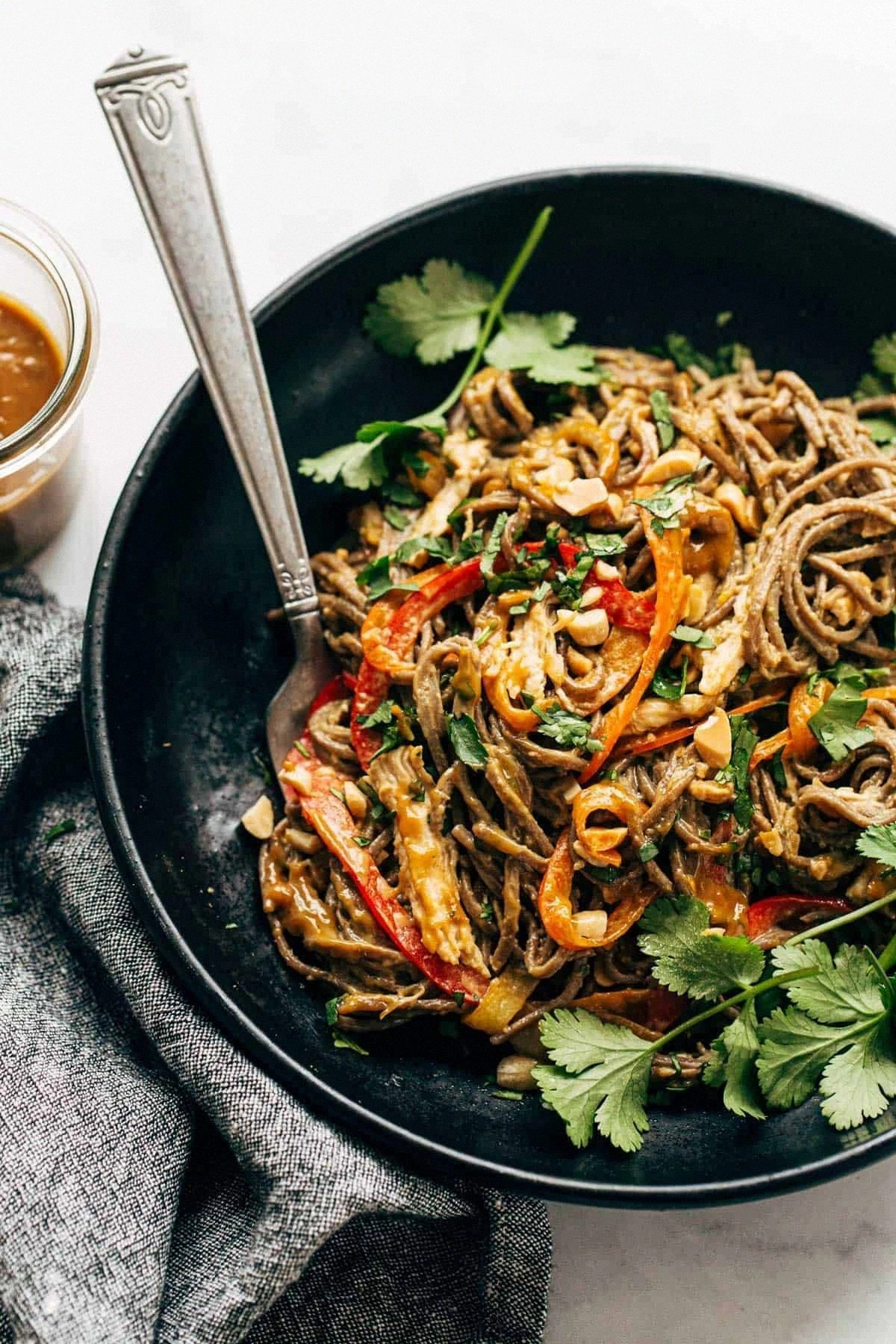
Picture this: the noodles glistening with a sauce that coats them like velvet, each strand speckled with shards of crunchy peanuts that crackle like thin ice under your teeth. The aroma? A heady blend of toasted sesame, toasted peanuts, and a whisper of ginger that makes your nose tingle before the first bite even reaches your tongue. The first spoonful hits you with a heat that’s bold but never overwhelming, followed by a sweet, nutty undertone that lingers like a good joke after the punchline. The veggies—crisp carrots, cool cucumber ribbons, and bright scallions—add a crunch that’s as satisfying as the snap of a fresh spring. The whole thing feels like a summer picnic and a winter comfort food had a love child, and it’s ready to be devoured any time you need a flavor fireworks show.
Most recipes get this completely wrong. They either drown the noodles in a watery sauce that slides off like a bad date, or they overload the dish with peanut butter until it tastes like a candy bar. The secret to this version is balance: a precise ratio of soy, vinegar, and peanut butter that creates a sauce thick enough to cling, yet fluid enough to coat every strand. I also throw in a splash of lime juice at the very end—a tiny acid pop that brightens everything like a sunrise on a gray morning. And the game‑changing ingredient? Toasted sesame oil, added at the very last second, giving the dish a depth that’s almost smoky without ever being heavy.
Okay, ready for the game‑changer? I dare you to taste this and not go back for seconds. By the end of this post, you’ll have a step‑by‑step map that turns a pantry scramble into a culinary masterpiece you’ll want to brag about at every dinner party. Let me walk you through every single step — by the end, you’ll wonder how you ever made it any other way.
What Makes This Version Stand Out
- Flavor Balance: The sauce hits the sweet spot between salty, tangy, and spicy, creating a harmonious chorus that never overpowers the noodles.
- Texture Symphony: Crunchy peanuts, crisp veggies, and chewy soba combine for a mouthfeel that’s both satisfying and surprising.
- Simplicity: All ingredients are pantry‑friendly; you won’t need a specialty store to pull this off.
- Unique Twist: A dash of lime juice added at the end lifts the whole dish, a detail most recipes overlook.
- Crowd Reaction: This salad has become the go‑to potluck hero—people line up for seconds and swear they’ll never eat another noodle salad again.
- Ingredient Quality: Using authentic Japanese buckwheat soba gives the dish a nutty backbone that regular wheat noodles can’t match.
- Cooking Method: The quick blanch of noodles preserves their bite, while the sauce is cooked just enough to meld flavors without scorching.
- Make‑Ahead Potential: The sauce can be prepared days ahead, allowing the salad to be assembled in minutes for busy weeknights.
Inside the Ingredient List
The Flavor Base
The backbone of this salad is the sauce, a blend of soy sauce, rice vinegar, and creamy peanut butter. Soy sauce brings umami depth, while rice vinegar cuts through the richness with a bright acidity. Peanut butter adds body and a subtle sweetness that balances the heat from sriracha. If you skip the peanut butter, the sauce becomes watery and loses that luscious coat that makes each noodle feel like it’s been kissed by a nutty lover.
The Texture Crew
Crunch is king here. Fresh carrots, cucumber, and scallions give a snap that contrasts the soft noodles. Toasted peanuts are the final crunchy element, providing a buttery crunch that shatters like thin ice under a footstep. If you’re allergic to peanuts, try roasted almonds or cashews—just keep the crunch factor high.
The Unexpected Star
Lime juice is the secret weapon. A single tablespoon added at the end injects a citrus zing that lifts the entire dish, making the flavors pop like fireworks. Without it, the sauce can feel flat after a few bites. If you’re out of lime, a splash of yuzu or even a dash of rice wine vinegar works, but the bright character will be slightly muted.
The Final Flourish
A drizzle of toasted sesame oil right before serving adds a smoky, nutty aroma that rounds out the dish. It’s the finishing brushstroke on a painting—subtle but essential. Skip it, and you’ll miss out on that lingering, almost caramelized scent that makes the salad unforgettable.
Everything's prepped? Good. Let's get into the real action…
The Method — Step by Step
Bring a large pot of water to a rolling boil. Add a generous pinch of sea salt, then toss in 12 ounces of soba noodles. Cook for 4‑5 minutes, stirring occasionally, until the noodles are al dente—think tender but still with a slight bite. Drain them in a colander, rinse under cold water to halt cooking, and set aside. That sizzle when it hits the pan? Not applicable yet, but the noodle texture will be the foundation for everything else.
While the noodles are cooking, whisk together 3 tablespoons soy sauce, 2 tablespoons rice vinegar, 2 teaspoons sesame oil, 1 tablespoon honey, 2 teaspoons grated fresh ginger, and 1 minced garlic clove in a medium bowl. This mixture is the flavor base, and you’ll feel a faint aroma of garlic and ginger as you whisk—signs that the sauce is coming alive.
In a separate small saucepan, gently warm ¼ cup creamy peanut butter over low heat. Add 1 tablespoon sriracha, 1 teaspoon toasted sesame oil, and the lime juice you prepared earlier. Stir continuously until the mixture becomes a smooth, glossy emulsion. Watch Out: If the heat is too high, the peanut butter can seize, turning grainy. Keep it low and patient, and you’ll get a sauce that coats the noodles like silk.
Combine the soy‑vinegar‑ginger mixture with the warmed peanut‑sriracha blend. Taste and adjust: a pinch more honey if you like sweetness, or a dash more sriracha for extra heat. This is the moment of truth—your sauce should taste balanced, with a subtle tang, a gentle sweetness, and a lingering heat that makes you smile.
Transfer the cooked soba noodles to a large mixing bowl. Drizzle half of the sauce over the noodles and toss gently to coat. The noodles should glisten, each strand catching the sauce like a rain‑kissed window. Then add the remaining sauce and give everything a final toss.
Kitchen Hack: Toss the noodles with a splash of the reserved cooking water if the sauce feels too thick; it will loosen without diluting flavor.Now it’s time for the veggies. Julienne 1 large carrot and half a cucumber into thin matchsticks. Slice 3 scallions thinly on the diagonal. Add the veggies to the noodle bowl, and toss just enough to distribute them without wilting. The vegetables should stay crisp, providing that satisfying snap with every bite.
Finish the salad with a generous handful of toasted peanuts, roughly chopped, and a sprinkle of fresh cilantro leaves. Drizzle the remaining 1 teaspoon toasted sesame oil over the top for that final aromatic lift. The salad should look vibrant—golden noodles, orange carrot ribbons, green cilantro, and speckles of brown peanuts.
Let the salad rest for five minutes before serving. This short rest allows the flavors to meld, and the sauce to settle into the noodles and veggies. Serve at room temperature or slightly chilled, depending on your preference. And now the fun part—dig in and watch your guests go back for seconds. I dare you to taste this and not crave more.
Insider Tricks for Flawless Results
The Temperature Rule Nobody Follows
Never toss hot noodles with a cold sauce. The temperature shock can cause the noodles to seize up, turning them gummy. Instead, let the noodles cool for a minute or two after draining, then coat them with a warm sauce. This ensures the sauce adheres like a second skin, giving each bite a uniform flavor.
Why Your Nose Knows Best
Before you taste, trust your nose. If you can smell the toasted sesame oil and a hint of lime, the sauce is ready. A dull aroma means the flavors haven’t melded. I once skipped this sniff test and ended up with a bland salad—never again.
The 5‑Minute Rest That Changes Everything
Allowing the salad to rest for five minutes isn’t just for convenience; it lets the noodles absorb the sauce, and the veggies soften just enough to release their natural juices. This rest transforms a good salad into a great one, giving depth that you can’t achieve by serving immediately.
Peanut Butter Consistency Check
If your peanut butter is too thick, thin it with a teaspoon of warm water before adding it to the sauce. This prevents clumps and ensures a silky coating. I once used a brand that was extra thick, and the sauce turned grainy—adding water saved the day.
The Crunch Preservation Trick
To keep peanuts crunchy even after sitting in the salad, toss them with a pinch of sea salt and a drizzle of oil right before serving. The oil creates a barrier that protects the nuts from absorbing moisture from the sauce.
Creative Twists and Variations
This recipe is a playground. Here are some of my favorite ways to switch things up:
Miso‑Mango Fusion
Swap the lime juice for a tablespoon of mango puree and add a teaspoon of white miso to the sauce. The result is a sweet‑savory combo that feels like a tropical sunset in a bowl. Perfect for summer picnics.
Spicy Coconut Curry
Replace the peanut butter with ¼ cup coconut cream and add a teaspoon of curry powder to the sauce. The dish takes on a fragrant, Thai‑inspired profile, and the coconut adds a silky richness that pairs beautifully with the heat.
Crunchy Sesame Tofu
Add cubed, pan‑fried tofu tossed in sesame seeds. The tofu absorbs the sauce while the sesame adds an extra nutty crunch, turning the salad into a protein‑packed main course.
Veggie‑Boosted
Fold in thinly sliced red cabbage, shredded kale, or snap peas for extra color and nutrients. Each veggie brings its own texture, from the cabbage’s firm bite to kale’s tender chew after a quick massage with a pinch of salt.
Nut‑Free Alternative
Swap peanut butter for sunflower seed butter and use pumpkin seeds instead of peanuts. The flavors stay robust, and those with nut allergies can still enjoy the creamy, spicy goodness.
Storing and Bringing It Back to Life
Fridge Storage
Transfer the salad to an airtight container and store in the refrigerator for up to three days. Keep the sauce separate if you plan to keep it longer; combine just before serving to maintain crunch.
Freezer Friendly
While noodles can become mushy when frozen, you can freeze the sauce and the veggies separately. Store the sauce in a zip‑top bag for up to two months, and the veggies in a separate container. Thaw the sauce, re‑cook a fresh batch of soba, and toss everything together.
Best Reheating Method
To revive leftovers, place the noodles in a microwave‑safe bowl, add a splash (about 1 tablespoon) of water or extra sauce, and heat for 30‑45 seconds. Stir gently; the added moisture steams the noodles back to a perfect, tender texture without losing the sauce’s richness.