I still remember the night I accidentally created the most outrageously delicious cheeseburger pasta known to humankind. It was one of those chaotic Tuesday evenings when my stomach was growling louder than my neighbor's Husky, and I had exactly 30 minutes before my favorite show started. My original plan was to make classic cheeseburgers, but as I stood there watching the ground beef sizzle in the pan, I realized I had forgotten to buy burger buns. Again. In a moment of what I thought was culinary desperation, I spotted a half-empty box of penne pasta in the pantry and decided to throw caution to the wind. What happened next was nothing short of magical — the pasta absorbed all those beautiful burger flavors while swimming in a creamy, cheesy sauce that made my knees weak.
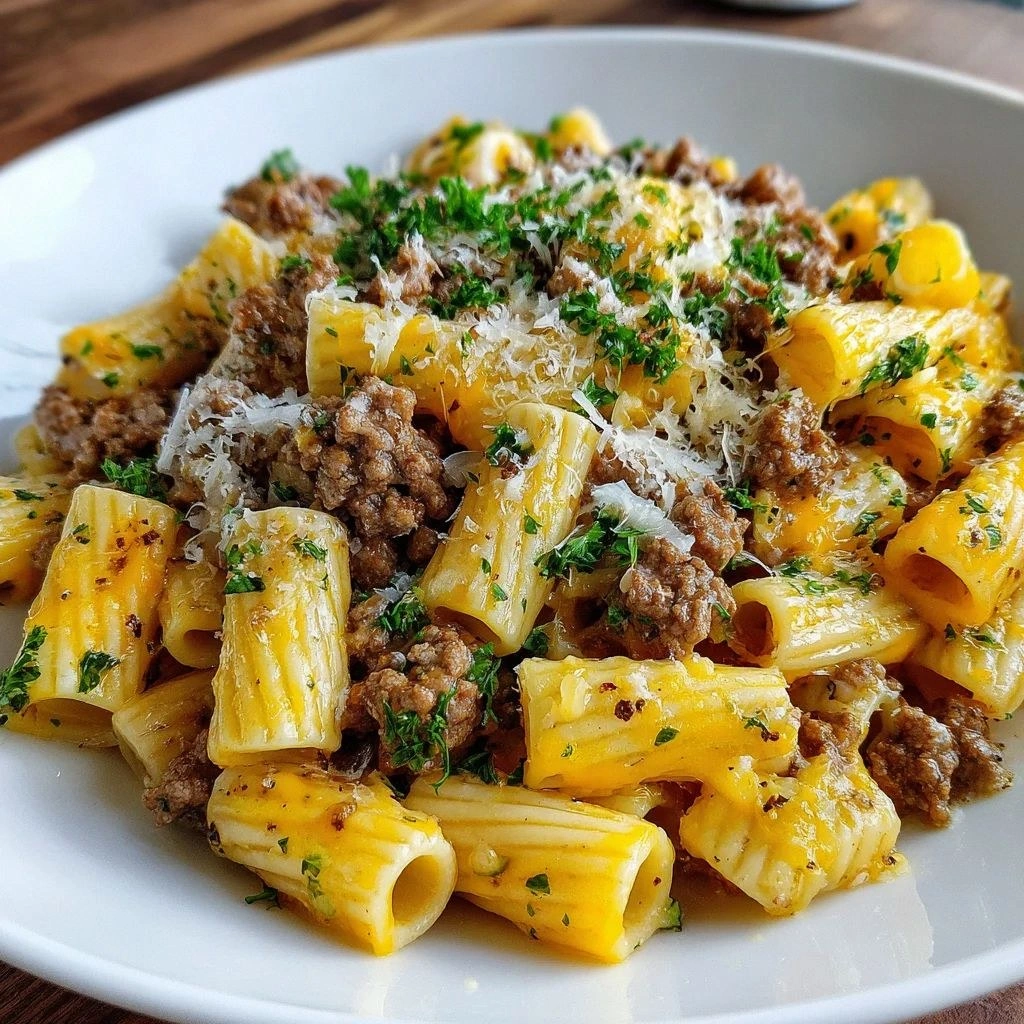
The first bite was an absolute revelation. We're talking about pasta that tastes exactly like your favorite cheeseburger, but somehow even better. The sauce coats each noodle like liquid gold, with bits of caramelized beef that provide little pockets of umami bombs in every forkful. Picture this: you're sitting at your kitchen table, steam rising from your bowl, that incredible aroma of beef, onions, and melty cheese wafting through the air. Your neighbors will be knocking on your door, drawn by the smell alone. That first bite hits you with this incredible combination of creamy, savory, slightly tangy flavors that somehow captures everything you love about a perfect cheeseburger in pasta form.
Here's the kicker — most recipes get this completely wrong. They either make it too dry, too bland, or they dump in a can of condensed soup and call it a day. No thank you. After months of perfecting this recipe (my family became very popular taste testers), I've cracked the code on how to get that authentic cheeseburger flavor while maintaining the creamy, luxurious texture that makes this dish absolutely irresistible. The secret lies in a combination of techniques that I'm about to share with you, including a special ingredient that nobody expects but everybody raves about.
If you've ever struggled with pasta dishes that taste flat, or you've tried cheeseburger pasta recipes that disappointed you in the past, you're not alone — and I've got the fix. This version will make you the legend of your next potluck, the hero of your family dinner, and quite possibly the most popular person in your friend group. Picture yourself pulling this bubbling, golden masterpiece out of the oven, the whole kitchen smelling like the world's most incredible burger joint. Let me walk you through every single step — by the end, you'll wonder how you ever made it any other way.
What Makes This Version Stand Out
Before we dive into the nitty-gritty, let me tell you exactly why this cheeseburger pasta will ruin you for all other versions. I've tested this recipe on the pickiest eaters I know — my nephew who only eats chicken nuggets, my friend who claims to hate pasta, and my neighbor who thinks everything needs to be smothered in hot sauce. Every single one of them asked for seconds, and my nephew actually requested it for his birthday dinner instead of going to a restaurant. That's how good this is.
- Taste Explosion: We're building layers of flavor here, folks. The beef gets browned to perfection, creating those beautiful fond bits that dissolve into the sauce. Then we add Worcestershire sauce, Dijon mustard, and a secret ingredient that gives it that authentic burger joint flavor. Every bite tastes like the best cheeseburger you've ever had, but somehow more sophisticated and comforting at the same time.
- Texture Perfection: The sauce is silky smooth but not too thin, coating each pasta piece without being gloppy. We're using a combination of cheeses that melt into the most incredible creamy base, with little pockets of melted cheddar throughout. The pasta stays perfectly al dente, providing that essential bite that makes this feel like a real meal, not just comfort food mush.
- One-Pot Wonder: Despite tasting like you spent hours in the kitchen, this entire dish comes together in one large pot. That means fewer dishes to wash and more time to enjoy your creation. The pasta actually cooks in the sauce, absorbing all those incredible flavors instead of just sitting in them like a passive participant.
- Weeknight Friendly: From start to finish, you're looking at 30-35 minutes max. I've made this after coming home from work when I was so hungry I could barely think straight, and it still turned out perfect. The ingredients are all things you probably already have in your kitchen, so no special grocery trips required.
- Leftover Gold: If you somehow manage to have leftovers, this actually gets better overnight. The flavors meld together into something even more incredible, and it reheats beautifully. I've been known to make a double batch just to have leftovers for the week, and my coworkers always try to steal bites from my lunch.
- Crowd-Pleasing Power: This dish has converted more pasta skeptics than I can count. Kids love it because it tastes like their favorite burger, adults love it because it's sophisticated comfort food, and teenagers love it because it fills them up and tastes amazing. Bring this to your next potluck and watch people fight over the last serving.
- Make-Ahead Magic: You can prep most of this ahead of time, making it perfect for busy weeknights or entertaining. The beef mixture can be made up to three days in advance, and you can even assemble the whole thing and refrigerate until you're ready to bake. It's like having a homemade frozen dinner, but actually delicious.
Inside the Ingredient List
Alright, let's talk ingredients because this is where the magic really happens. You might look at the list and think, "Ground beef, pasta, cheese — what's so special about that?" But here's the thing: it's not just what you use, it's how you use it. The quality of your ingredients matters here, but even more important is understanding how each component contributes to the final flavor bomb we're creating. I've tested this recipe with everything from grass-fed organic beef to the bargain bin stuff, and while the fancy beef does taste better, even the cheap version is incredible when you follow these techniques.
The Flavor Foundation
The ground beef is obviously the star here, but not all ground beef is created equal. You want an 80/20 blend — that 20% fat content is crucial for flavor and juiciness. Anything leaner and your sauce will taste dry and flat, like it's missing something (because it is). The fat renders out and becomes part of the sauce, carrying all those beefy flavors throughout the dish. When you brown the beef, don't rush it. Let it sit undisturbed for a good 2-3 minutes so it develops that beautiful caramelized crust. That brown stuff stuck to the bottom of your pan? That's pure gold — it's called fond, and it dissolves into your sauce to create incredible depth of flavor.
The onion and garlic aren't just there for aromatics — they're essential for building that authentic burger taste. Dice your onion small so it melts into the sauce, becoming almost invisible but adding sweet, savory notes throughout. The garlic goes in later because it burns easily, and burnt garlic will ruin your whole dish with bitterness. Fresh garlic is non-negotiable here; the powdered stuff just can't compete with the bright, pungent flavor of fresh cloves.
The Texture Crew
Pasta choice matters more than you'd think. I tested this with everything from elbow macaroni to fusilli, and penne wins every time. Those tubes catch the perfect amount of sauce, and the ridges hold onto all that creamy, cheesy goodness. Cook it until it's just shy of al dente because it'll continue cooking in the sauce. Overcooked pasta becomes mushy and sad, absorbing too much liquid and turning your beautiful sauce into paste.
The cheese blend is where things get exciting. We're using three cheeses for maximum impact: sharp cheddar for that classic cheeseburger flavor, mozzarella for the incredible stretch and creaminess, and a touch of cream cheese to stabilize the sauce and prevent it from breaking. The cream cheese is my secret weapon — it melts smoothly and keeps everything emulsified, even when you reheat leftovers. Don't even think about using pre-shredded cheese; that anti-caking powder makes your sauce grainy and weird.
The Unexpected Star
Here's where this recipe gets interesting. We're adding a spoonful of tomato paste for umami depth, Worcestershire sauce for that savory complexity you can't quite identify, and Dijon mustard for a subtle tang that brightens everything up. But the real game-changer? A splash of pickle juice. I know, I know — it sounds weird. But trust me on this one. That acidic, briny hit is what makes your taste buds sit up and pay attention. It's the difference between a good cheeseburger pasta and one that makes people close their eyes and sigh with happiness.
The beef broth isn't just for cooking the pasta — it's been infused with onions, garlic, and herbs to become a flavor concentrate. When the pasta absorbs this liquid, it's not just taking on water; it's soaking up all those incredible flavors. This is why this dish tastes like it's been simmering for hours when it really only takes about 20 minutes.
The Final Flourish
Fresh herbs at the end make all the difference. A sprinkle of parsley adds brightness and color, while a few cracks of fresh black pepper give it that finishing touch. The butter might seem unnecessary when you're already dealing with beef fat and cheese, but it gives the sauce this beautiful glossy finish and rounds out all the flavors. Think of it as the difference between a home video and a professionally edited film — that final polish makes everything look and taste more put-together.
Seasoning happens at multiple stages, not just at the end. Salting the beef as it cooks helps it brown better, while adding salt to the pasta water ensures the pasta itself is seasoned. Taste and adjust at the end, but remember that the cheese adds saltiness too, so go easy at first. You can always add more, but you can't take it out once it's in there.
The Method — Step by Step
Okay, ready for the game-changer? We're going to cook the pasta right in the sauce, but not in the way you might think. This isn't one of those dump-everything-in-and-hope-for-the-best recipes. Each step builds on the last, creating layers of flavor that will make your kitchen smell like the best burger joint in town. The sizzle when the beef hits that hot pan? Absolute perfection. And when the cheese melts into the sauce, creating those long, Instagram-worthy cheese pulls? That's when you know you've arrived at pasta nirvana.
- Heat your largest heavy-bottomed pot or Dutch oven over medium-high heat. Add the ground beef, breaking it up with a wooden spoon, but don't stir constantly. Let it sit for 2-3 minutes so it develops a beautiful brown crust. That brown stuff is flavor gold — leave it alone to develop properly. Season with salt and pepper, then continue cooking until it's about 80% done. Remove the beef with a slotted spoon, leaving the fat behind. This fat is going to flavor our onions and make everything taste incredible. Don't you dare drain it away — that's liquid gold right there.
- Add your diced onions to the beef fat and cook over medium heat, stirring occasionally. You want them to soften and turn translucent, not brown. This takes about 5-6 minutes. The onions will absorb all that beefy flavor while releasing their natural sweetness. When they're soft and fragrant, clear a little space in the center of the pot and add your minced garlic. Let it cook for just 30 seconds — you're looking for it to become fragrant but not brown. Burnt garlic is bitter and will ruin everything, so stay focused here.
- Now for the magic part: add the tomato paste and let it cook for about 2 minutes, stirring constantly. You're looking for it to darken slightly and take on a brick-red color. This caramelizes the natural sugars in the tomato paste, adding incredible depth to your sauce. Add the Worcestershire sauce, Dijon mustard, and pickle juice, stirring to combine. The kitchen should smell absolutely incredible at this point — like a burger shack that's been in business for 50 years and knows exactly what they're doing. Don't be tempted to taste yet — the flavors haven't melded yet.
- Return the beef to the pot along with the beef broth. Bring everything to a boil, then reduce to a simmer. Add your pasta and stir well, making sure every piece is submerged. This is where things get interesting — the pasta is going to cook in this flavorful liquid, absorbing all those incredible tastes. Stir every 2-3 minutes to prevent sticking, and add more broth if needed. You want the pasta to be just shy of al dente because it'll continue cooking when we add the cheese. Taste a piece after about 8 minutes — it should have a slight bite but not be crunchy.
- When the pasta is almost done, reduce the heat to low. This next part? Pure magic. Add the cream cheese in small pieces, stirring until it's completely melted and incorporated. The sauce should start looking glossy and smooth. Now add the shredded cheddar and mozzarella, a handful at a time, stirring until each addition is melted before adding more. Don't rush this part — if you add all the cheese at once, you'll end up with a clumpy mess. The sauce should coat the back of a spoon but still be pourable. If it gets too thick, add a splash of milk or broth to loosen it up.
- This is the moment of truth. Taste your creation and adjust the seasoning. It might need more salt, a crack of black pepper, or even another splash of pickle juice if you want more tang. Remember that the flavors will continue to develop as it sits, so go easy on adjustments. The sauce should be creamy and smooth, coating each piece of pasta perfectly. If you've done everything right, you'll be fighting the urge to eat it straight from the pot with a wooden spoon. I'll be honest — I ate half the batch before anyone else got to try it the first time I made this.
- Remove from heat and let it rest for exactly 5 minutes. I know, I know — you're starving and it smells incredible. But this rest time allows the sauce to thicken slightly and the flavors to meld together. While you're waiting, chop some fresh parsley for garnish. When you can't stand it anymore, serve it up in warmed bowls. The contrast between the hot pasta and the cool, fresh herbs is part of what makes this dish so special. Plus, it makes it look like you really know what you're doing in the kitchen, even if you were just throwing things together in a panic like I was.
- And now the fun part — serving this masterpiece. I like to set out extra toppings so everyone can customize their bowl. Diced tomatoes, extra cheese, crispy bacon bits, even some chopped pickles for the brave. It's like a burger bar, but better because it's pasta. Watch as people take their first bite — that moment when their eyes close and they make that involuntary "mmm" sound? That's when you know you've created something special. Don't be surprised if people start requesting this for every gathering. My neighbor actually tried to pay me to make this for her book club. That's the power of perfectly executed cheeseburger pasta.
That's it — you did it. But hold on, I've got a few more tricks that'll take this to another level...
Insider Tricks for Flawless Results
After making this recipe more times than I care to admit (my family started calling it "Tuesday Pasta" because I made it every week for three months straight), I've discovered some game-changing techniques that separate good cheeseburger pasta from absolutely legendary cheeseburger pasta. These aren't just nice suggestions — these are the secrets that will make people think you've been secretly training with professional chefs. A friend tried skipping one of these steps once — let's just say it didn't end well, and she still texts me every time she makes it to double-check she's doing it right.
The Temperature Rule Nobody Follows
Here's something that will change your cooking life: dairy products hate high heat. When you add your cheese to the sauce, the liquid should be hot enough to melt the cheese but not so hot that it breaks the emulsion. Think of it like a gentle hot tub, not a rolling boil. If your sauce starts looking grainy or separated, you've gone too hot. Remove it from heat immediately and whisk in a small piece of cold cream cheese — this can help bring it back together. The ideal temperature is around 160°F — hot enough to melt cheese smoothly but cool enough to keep everything emulsified. Most people crank the heat and wonder why their sauce looks like cottage cheese mixed with oil.
Why Your Nose Knows Best
Your sense of smell is your most underutilized cooking tool. When the onions are perfectly softened, they'll smell sweet and slightly caramelized, not sharp or raw. The garlic should make your mouth water within 30 seconds of hitting the pan — if it doesn't, your garlic might be old and you've lost half your flavor before you even started. When the tomato paste is properly cooked, it changes from bright red to brick red and smells slightly sweet and concentrated. And here's the real secret: when you add the Worcestershire sauce and mustard, the smell should immediately transport you to your favorite burger place. If it doesn't, add a pinch more of each. Your nose knows when something smells right, even if you can't explain why.
The 5-Minute Rest That Changes Everything
I know you're tempted to dig in immediately — I can practically hear your stomach growling from here. But here's what separates the amateurs from the pros: that 5-minute rest after cooking. During this time, the sauce thickens slightly, the pasta absorbs just enough liquid to reach perfect consistency, and the flavors meld together into something greater than the sum of their parts. It's like the difference between a group of individual musicians and a symphony orchestra — they need time to harmonize. Cover the pot with a lid during this rest, and use the time to set the table, pour yourself a drink, or just bask in the glory of what you've created. When you come back, lift the lid and take a deep breath. That aroma? That's success, my friend.
The Cheese Grating Revelation
Pre-shredded cheese is coated with cellulose to prevent clumping, which also prevents it from melting smoothly into your sauce. Always, always grate your own cheese. I keep a box grater in my drawer specifically for this recipe, and it takes maybe 2 extra minutes. The difference in melting quality is immediately obvious — freshly grated cheese creates a sauce that's silky smooth and glossy, while the pre-grated stuff makes it grainy and weird. Plus, you can control the size of your grate. For the cheddar, I like a medium grate that melts quickly but still provides some texture. For the mozzarella, I use the fine side of the grater so it melts completely into the background, providing creaminess without stringiness.
The Pickle Juice Secret
Don't skip the pickle juice — it's what makes this taste like an actual cheeseburger instead of just beef and cheese pasta. But here's the trick: add it gradually. Start with the amount in the recipe, taste, and add more if you want more tang. Different pickle brands have different acidity levels, so you might need to adjust. If you accidentally add too much and it becomes too tangy, a small pinch of sugar will balance it out. And if you're out of pickle juice (tragic, but it happens), a splash of white wine vinegar or even lemon juice will work in a pinch, though it won't have quite the same complexity. The pickle juice adds brightness and cuts through the richness of all that cheese and beef, creating balance that keeps you coming back for more.
The Pasta Water Insurance Policy
Before you drain anything, scoop out a cup of the starchy pasta water. This cloudy liquid is liquid gold for adjusting your sauce consistency. If your sauce gets too thick (which happens if you get distracted by a phone call or a needy pet), a splash of this magic water will bring it right back to the perfect consistency. The starch in the water helps bind the sauce together, and it won't dilute the flavor like regular water would. Keep it in a mug near the stove until you're completely done cooking. I've saved more dinners with reserved pasta water than I care to count — it's like having a culinary insurance policy right there in your kitchen.
Creative Twists and Variations
This recipe is a playground. Once you've mastered the base version (and trust me, you'll want to make it exactly as written at least once), here are some of my favorite ways to mix things up. Each variation transforms the dish into something new while maintaining that essential cheeseburger soul. My personal favorite is the Bacon Lover's Dream — I once made it for a party and had three people ask me to cater their weddings. No joke.
The Bacon Lover's Dream
Replace half the ground beef with an equal amount of bacon, cut into small pieces. Cook the bacon first until it's crispy, remove it with a slotted spoon, then cook your beef in the bacon fat. Add the crispy bacon back in at the very end so it stays crunchy. Use smoked cheddar instead of regular cheddar for extra smoky flavor. Top each serving with additional crispy bacon bits and a drizzle of the bacon fat. This version tastes like the best bacon cheeseburger you've ever had, but in pasta form. Fair warning: once you make this version, the original might taste a little boring by comparison.
The Mushroom Swiss Variation
Sauté 8 ounces of sliced mushrooms in butter until they're golden brown and have released all their moisture. Remove them and add them back with the beef at the end. Replace the cheddar with equal parts Swiss cheese and Gruyère for that classic mushroom Swiss burger flavor. Add a splash of dry white wine when you're cooking the mushrooms — it adds incredible depth. This version is perfect for those times when you want something that feels a little more sophisticated but still hits all those comfort food buttons. Even mushroom haters have been converted by this version — the mushrooms add umami without being obviously mushroomy.
The Spicy Jalapeño Popper
Add 2-3 diced jalapeños (seeds removed if you want it milder) to the onions and cook them together. Replace half the cheddar with pepper jack cheese for extra heat. Stir in 4 ounces of cream cheese instead of 2 for extra richness. Top with crushed tortilla chips for crunch and serve with extra pickled jalapeños on the side. This version has a cult following among my spice-loving friends. The cream cheese helps tame the heat while maintaining that jalapeño flavor, and the crunch from the tortilla chips gives you that textural contrast that makes every bite interesting.
The Breakfast Burger Pasta
Add a fried egg on top of each serving — when you break the yolk, it creates an incredible sauce that mingles with the cheeseburger pasta. Use American cheese instead of cheddar for that authentic diner burger taste. Add a dash of hot sauce to the sauce, and serve with buttered toast on the side. This is my go-to hangover cure and weekend brunch dish. Something about the combination of pasta, cheese, beef, and egg just screams comfort and indulgence. I've served this at brunch parties and people lose their minds over it.
The Pizza Burger Fusion
Add Italian seasoning to the beef while it cooks, and use a mix of mozzarella and provolone for the cheese. Stir in some mini pepperoni slices at the end, and top with a little grated Parmesan. Use pizza sauce instead of tomato paste for a more pronounced pizza flavor. This version tastes like someone took your favorite pizza and your favorite burger and somehow made them have a beautiful pasta baby. Kids especially love this version — it's like two of their favorite foods combined into one incredible dish. Serve with garlic bread and a side salad for the full Italian-American experience.
The French Onion Burger
Caramelize the onions slowly until they're deep golden and sweet — this takes about 20 minutes but is absolutely worth it. Use Gruyère cheese instead of cheddar, and add a splash of sherry when you're cooking the onions. Top each serving with crispy French fried onions for crunch. This version tastes like someone took French onion soup and cheeseburgers and created the most sophisticated comfort food imaginable. The sweetness of the caramelized onions plays beautifully against the rich, nutty Gruyère. This is the version I make when I want to impress guests but still serve something cozy and familiar.
Storing and Bringing It Back to Life
Here's the beautiful thing about this cheeseburger pasta — it actually gets better with time. The flavors meld together in the most incredible way, making leftovers something to look forward to rather than tolerate. I've been known to make a double batch specifically for the leftovers, which I portion into individual containers for easy lunches throughout the week. My coworkers have started scheduling their lunch breaks around when they know I'm reheating this, hoping I'll share. The smell alone is enough to make the entire office jealous.
Fridge Storage
Let the pasta cool completely before storing — hot pasta in a sealed container creates condensation, which makes everything soggy and sad. Store in airtight containers in the refrigerator for up to 4 days. I like to use glass containers because they don't absorb odors and you can see exactly what deliciousness awaits you. Press a piece of plastic wrap directly onto the surface before sealing the container — this prevents that weird skin from forming on top. Pro tip: store individual portions in microwave-safe containers so you can grab and go. The pasta will thicken considerably as it sits, but don't worry — we'll fix that when we reheat it.
Freezer Friendly
This pasta freezes beautifully, which is a lifesaver for busy weeks. Undercook the pasta slightly (by about 2 minutes) since it will soften more when you reheat it. Let it cool completely, then portion into freezer-safe containers or bags. I like to use quart-sized freezer bags — squeeze out all the air, lay them flat to freeze, then you can stack them like files. Freeze for up to 3 months. To use, thaw overnight in the refrigerator (never on the counter — food safety first). The sauce might look separated after thawing, but a gentle reheat with a splash of milk or broth will bring it right back to life.
Best Reheating Method
Here's where most people go wrong — they just nuke it until it's hot and wonder why it's dry and weird. The secret is adding liquid and reheating gently. For microwave reheating, add a splash of milk or broth to your portion, cover with a damp paper towel, and heat in 30-second intervals, stirring between each. For stovetop reheating (which I prefer), add your portion to a pan with a splash of liquid, cover, and heat over medium-low, stirring occasionally. The sauce will come back together and taste almost as good as fresh. If you're reheating a large portion, consider adding it to a baking dish, topping with extra cheese, and baking at 350°F until bubbly — it creates a whole new dish that's like a cheesy pasta bake.