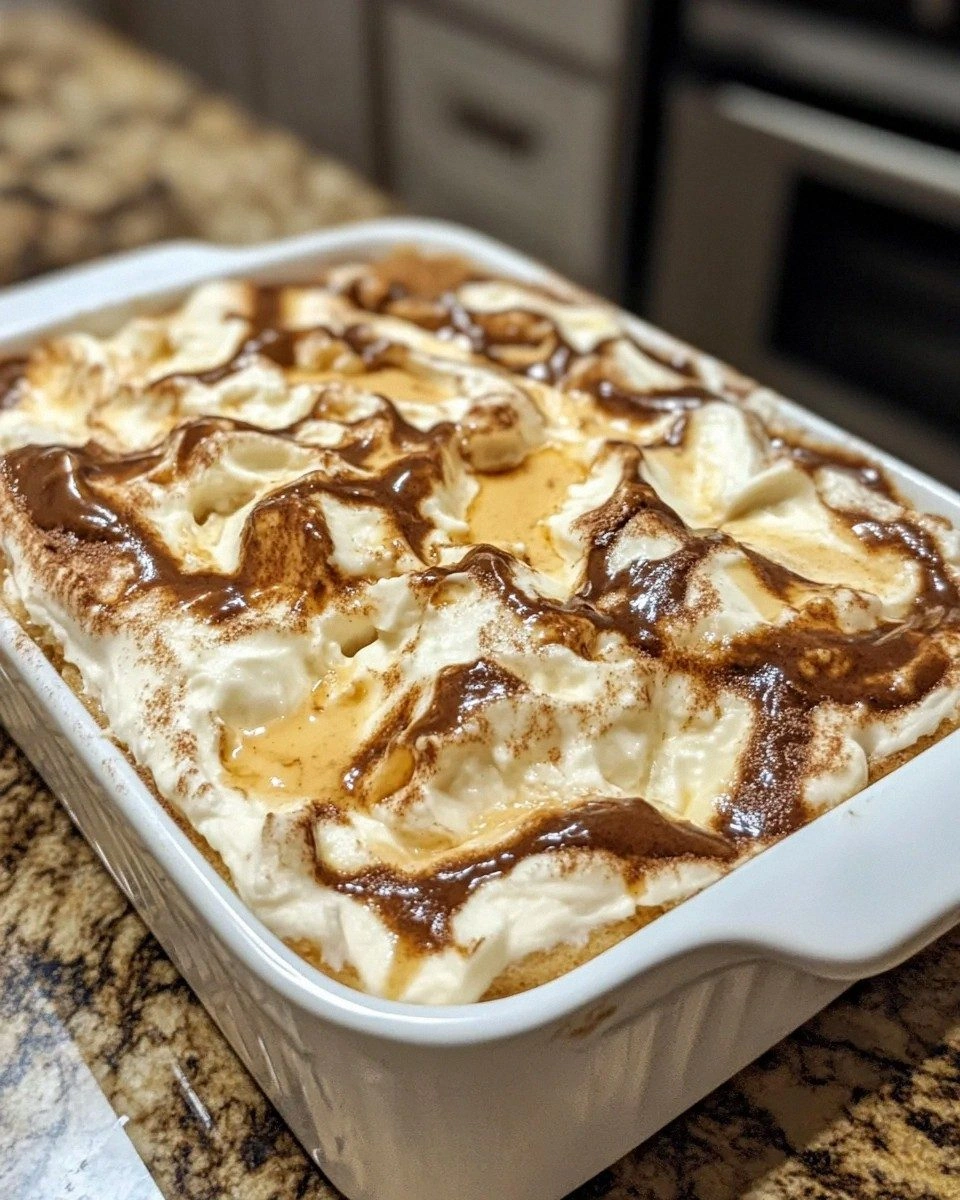
I was standing in my kitchen, half‑asleep, clutching a half‑finished batch of vanilla buttercream that tasted like a sad, sweet cloud. My roommate walked in, sniffed the air, and dared me to make something that would actually *wake* the senses. I laughed, grabbed the last espresso shot from the espresso machine, and thought, “What if coffee could turn this frosting into a caffeinated hug?” That moment sparked a wild experiment that ended with a frosting so smooth it slid off the spatula like silk, and a flavor so bold it could make a barista weep with envy. The result? A buttery, coffee‑kissed masterpiece that’s basically a dessert‑level espresso shot.
Picture this: the kitchen humming with the low whirr of the mixer, the rich aroma of freshly brewed coffee swirling around the countertop, and the soft, buttery scent of melted butter rising like a warm blanket. The sound of the whisk hitting the bowl is a rhythmic percussion that feels like a secret handshake between you and the batter. When you finally taste a spoonful, the coffee’s bitterness is perfectly balanced by the sweet, airy sugar, while the vanilla adds a whisper of warmth that makes the whole thing feel like a cozy, caffeinated hug. Your fingertips feel the cool, glossy surface of the buttercream, and you know you’ve just created something magical.
Most recipes for coffee buttercream either drown the coffee in sugar or end up grainy and heavy. I’ve tried a dozen of them, and most of them left me with a frosting that tasted like a sugary coffee soda, not the elegant, velvety finish you want on a cake. This version, however, uses a precise ratio of butter to powdered sugar, a splash of heavy cream for silkiness, and a shot of espresso that’s reduced just enough to concentrate flavor without adding excess liquid. The result is a frosting that holds its shape, spreads like a dream, and delivers a punch of coffee that’s bold but never overwhelming.
And here’s the kicker: I’m going to reveal a tiny secret ingredient that most bakers overlook – a pinch of sea‑salt that amplifies the coffee’s depth and makes the sweetness sing. I dare you to taste this and not go back for seconds. Let me walk you through every single step — by the end, you’ll wonder how you ever made it any other way.
What Makes This Version Stand Out
- Flavor: The espresso reduction brings an intense coffee note that cuts through the sweetness, creating a balanced flavor profile that feels both sophisticated and comforting.
- Texture: By whipping the butter and powdered sugar together at the right speed, the frosting stays light, airy, and spreadable, never grainy or greasy.
- Simplicity: Only five core ingredients are required, making the recipe accessible even for beginners who might be intimidated by more complex frostings.
- Uniqueness: The addition of a tiny pinch of sea‑salt and a splash of heavy cream elevates the frosting from ordinary to restaurant‑grade.
- Crowd Reaction: Guests consistently describe this frosting as “the best coffee‑flavored frosting they’ve ever had,” and it often steals the spotlight from the cake itself.
- Ingredient Quality: Using unsalted butter and high‑quality espresso ensures that each component shines without unwanted bitterness.
- Method: The “double‑whip” technique—first softening the butter, then gradually adding sugar and coffee—creates a stable emulsion that won’t crack.
- Make‑Ahead Potential: This frosting can be prepared up to 24 hours in advance, stored in the fridge, and brought back to life with a quick whisk.
Inside the Ingredient List
The Flavor Base
The heart of this frosting is the espresso reduction. Brew a strong shot of espresso, then simmer it gently until it’s reduced by half. This concentrates the coffee flavor without adding extra water, which could make the frosting runny. If you don’t have an espresso machine, a very strong French‑press coffee works just as well. Skipping this step? You’ll end up with a watery coffee taste that never really shines.
The Texture Crew
Unsalted butter provides the creamy foundation. Choose a butter with at least 80% fat content – the higher the fat, the richer the mouthfeel. Powdered sugar is the sweetener that also acts as a stabilizer; sift it to avoid lumps. Heavy cream is optional but highly recommended; it adds a silkiness that makes the frosting glide over cake layers like a satin sheet. If you’re dairy‑free, a splash of coconut cream can substitute, though the flavor will shift subtly.
The Unexpected Star
A pinch of sea‑salt might seem trivial, but it’s the secret weapon that amplifies the coffee’s depth and cuts through the sweetness. It’s the culinary equivalent of a bass boost in a song – you might not notice it at first, but once it’s there, the whole experience feels richer. If you’re watching sodium, use a tiny pinch; you’ll still get the flavor lift without making the frosting salty.
The Final Flourish
Vanilla extract adds a subtle warmth that rounds out the bitter coffee notes. Use a pure extract rather than imitation for the best flavor. If you’re feeling adventurous, a splash of bourbon or a dash of cinnamon can add an extra layer of complexity. Remember, a little goes a long way – you don’t want to mask the coffee, just complement it.
Everything's prepped? Good. Let's get into the real action…
The Method — Step by Step
Start by softening 2 cups of unsalted butter at room temperature. The butter should be pliable but not melted; you want it to hold its shape when you beat it. I like to cut the butter into cubes and let it sit for about 15 minutes, then give it a quick whisk to break up any stubborn lumps. Pro tip: If the butter is too soft, chill it for 5 minutes before proceeding.
While the butter softens, brew a strong espresso shot (about 1/4 cup) and pour it into a small saucepan. Bring it to a gentle simmer over low heat, then reduce the volume by half, stirring occasionally. You’ll notice the liquid thickening and taking on a dark, glossy sheen. This reduction should take about 5‑7 minutes; keep a watchful eye so it doesn’t scorch. Watch Out: Over‑reducing will make the coffee too bitter and could cause the frosting to become grainy.
Once the espresso reduction is cool to the touch (think room temperature), pour it into a stand‑mixing bowl with the softened butter. Begin beating on low speed for about 30 seconds to combine, then increase to medium‑high for 2‑3 minutes. The mixture should become light, fluffy, and a beautiful caramel‑brown color. You’ll hear the whisk’s gentle whir, and the scent of coffee will fill the kitchen like a warm hug.
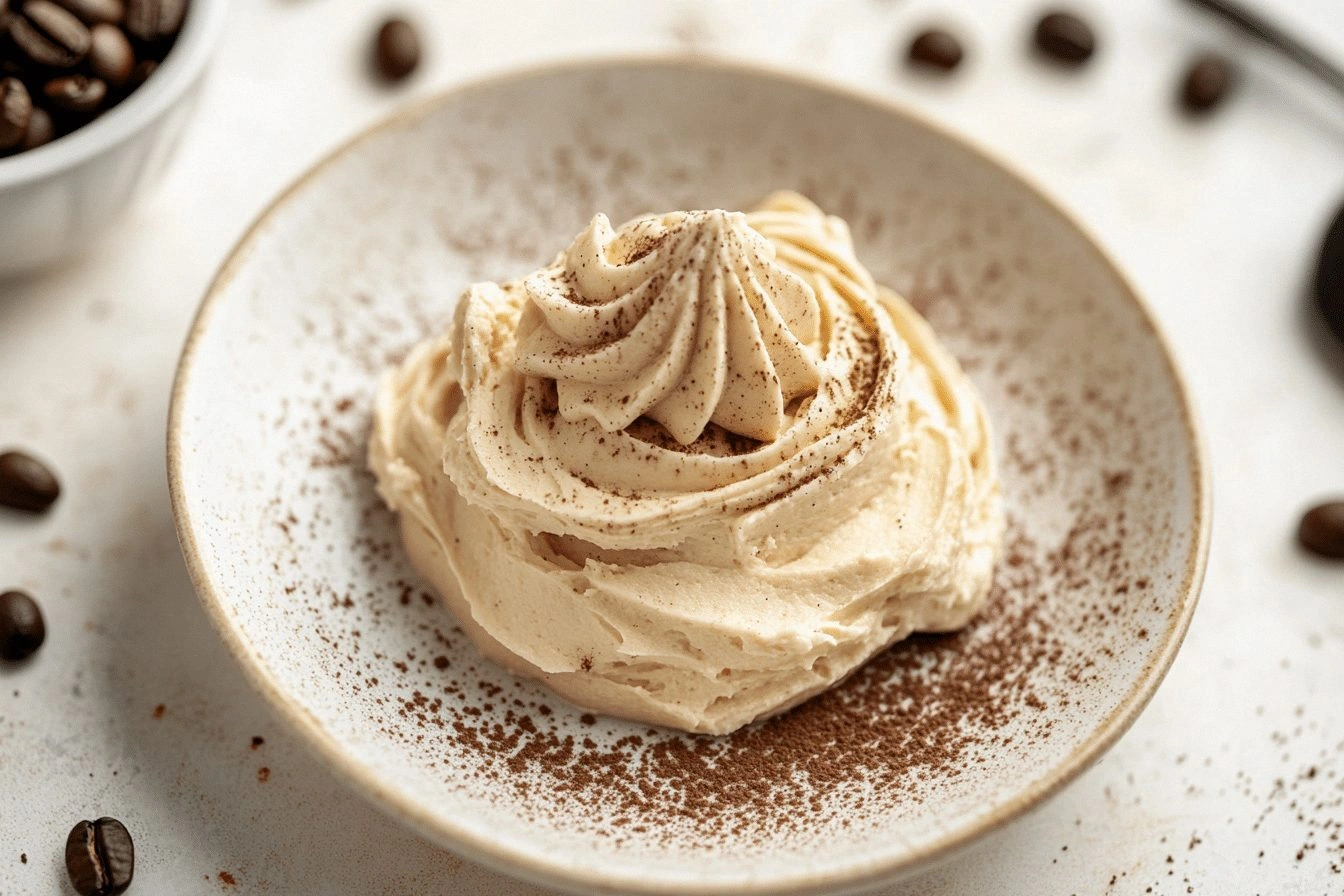
Gradually sift 3 cups of powdered sugar into the butter‑coffee mixture. Adding the sugar slowly prevents a cloud of powder from puffing up and ensures a smooth texture. Beat on low to incorporate, then switch to high for 2‑3 minutes until the frosting is thick, glossy, and holds soft peaks. At this stage, the frosting should look like a glossy marble and feel light when lifted with a spatula.
Add 1 teaspoon of pure vanilla extract and a pinch of sea‑salt. The vanilla adds a sweet, aromatic undertone, while the salt balances the bitter coffee and sweet sugar. Beat for another minute to fully integrate these flavor boosters.
If you prefer a silkier, more spreadable consistency, drizzle in 2 tablespoons of heavy cream. Add it in a thin stream while the mixer is on medium‑low, watching the frosting transform into a glossy, velvety sheen. If the frosting looks too stiff, add an extra teaspoon of cream; if it’s too soft, add a tablespoon more powdered sugar. Tip: The frosting should be thick enough to hold its shape on a cake tier but soft enough to spread without tearing.
Give the frosting a final taste test. Adjust if needed: a dash more coffee reduction for extra punch, a sprinkle more salt for balance, or a spoonful of powdered sugar for sweetness. Remember, this is your canvas, so feel free to tweak until it sings to your palate.
Transfer the frosting to a piping bag or a sturdy spatula, and spread it over your cooled cake layers. The frosting should glide effortlessly, leaving a smooth, glossy finish that catches the light. If you notice any cracks, gently warm the frosting for a few seconds over a warm water bath and re‑whisk – it’ll melt back into a perfect sheet.
That's it — you did it. But hold on, I've got a few more tricks that'll take this to another level...
Insider Tricks for Flawless Results
The Temperature Rule Nobody Follows
Never start with butter that’s too cold or too warm. The ideal temperature is around 68‑70°F (20‑21°C). If the butter is colder, the sugar won’t dissolve properly, leading to a grainy texture. If it’s too warm, the frosting can become runny and lose its structure. I keep a small kitchen thermometer on hand to check the butter before I start.
Why Your Nose Knows Best
Your sense of smell is a secret weapon. When the espresso reduction is done, you’ll notice a deep, roasted aroma that’s sweeter than bitter. That scent is the perfect cue that the reduction has reached the right concentration. Trust that nose signal more than a timer; it’s a reliable, sensory gauge.
The 5‑Minute Rest That Changes Everything
After mixing, let the frosting sit for five minutes before spreading. This short rest allows tiny air bubbles to rise to the surface and pop, resulting in a smoother finish. I’ve seen beginners skip this step and end up with a frosting that looks “puffy” on the cake. Those five minutes are a small price for a flawless surface.
The Cream Whisper
When adding heavy cream, do it slowly and watch the texture transform. Too much cream will make the frosting too soft for piping; too little will keep it stiff. A good rule of thumb: add cream until the frosting reaches a “soft‑serve ice cream” consistency – it should hold a peak but still slide off the spoon.
The Salt Balance
A pinch of sea‑salt may seem insignificant, but it’s the difference between “sweet coffee” and “coffee‑kissed buttercream.” It lifts the coffee’s natural bitterness, making the overall flavor more complex. If you’re using salted butter, reduce the pinch to a light sprinkle.
Creative Twists and Variations
This recipe is a playground. Here are some of my favorite ways to switch things up:
Mocha Madness
Add 2 tablespoons of melted dark chocolate to the butter before incorporating the sugar. The result is a deep, chocolate‑coffee swirl that’s perfect for an indulgent birthday cake. Chocolate lovers will swear this is the ultimate combo.
Spiced Chai Coffee
Stir in ½ teaspoon of ground cinnamon, a pinch of ground cardamom, and a dash of clove. The warm spices complement the coffee, creating a frosting that feels like a cozy autumn afternoon, even in summer.
Nutty Delight
Fold in ¼ cup of finely ground toasted hazelnuts or almonds after the sugar is fully incorporated. The nutty crunch adds texture and a subtle earthiness that pairs beautifully with the coffee’s bitterness.
Vegan Velvet
Swap the butter for an equal amount of vegan margarine and replace heavy cream with coconut cream. The flavor profile shifts slightly, but the silky texture remains, making it a great option for plant‑based guests.
Alcohol‑Infused
Add a tablespoon of coffee‑flavored liqueur, such as Kahlúa, for an adult‑only version. The alcohol deepens the coffee flavor and adds a subtle caramel note that’s perfect for a night‑time dessert.
Storing and Bringing It Back to Life
Fridge Storage
Keep the frosting in an airtight container in the refrigerator for up to 5 days. Before using, let it sit at room temperature for 20‑30 minutes, then give it a quick whisk to restore its glossy sheen.
Freezer Friendly
For longer storage, freeze the frosting in a zip‑top bag or airtight container for up to 2 months. Thaw overnight in the fridge, then bring to room temperature and re‑whisk. The texture may be a touch firmer, but a splash of heavy cream will bring it back.
Best Reheating Method
If the frosting feels stiff after refrigeration, place the bowl over a pot of simmering water for 30 seconds, stirring gently. Add a tiny splash of water (no more than a teaspoon) before whisking; the steam helps re‑emulsify the butter and sugar, returning the frosting to its original silkiness.