Ever found yourself staring at a half‑cooked pork tenderloin, wondering if the kitchen could ever be a sanctuary? I did, and that night I decided to turn that frustration into a culinary triumph. I grabbed a skillet, tossed in some garlic, and watched the aroma climb like a sweet, savory cloud. That single moment—sizzling, golden, fragrant—was the spark that ignited my obsession with this dish.
I’ve tried countless pork recipes, from dry, over‑seasoned roasts to soggy, flavorless slow‑cooked cuts. None have matched the depth of flavor, the silky texture, or the ease of preparation that this garlic‑crockpot pork tenderloin delivers. It’s the kind of dish that feels like a hug, yet tastes like a gourmet masterpiece. Every bite is a burst of garlic, a hint of honey, and a subtle umami whisper that lingers on the palate.
What makes this version so extraordinary? It’s not just the ingredients; it’s the technique, the timing, and the small, intentional choices that elevate the ordinary into the extraordinary. I’ve spent hours refining the sear, balancing the sauce, and mastering the crockpot’s subtle heat. The result? A pork tenderloin that’s moist, flavorful, and practically hands‑free. If you’re ready to stop settling for mediocre pork, let’s dive in.
Let me walk you through every single step—by the end, you’ll wonder how you ever made it any other way.
What Makes This Version Stand Out
- Flavor: A harmonious blend of garlic, honey, and soy sauce creates a sauce that coats the meat like velvet. The sweet and savory notes balance each other perfectly, leaving a lingering umami finish.
- Texture: The pork stays tender and juicy, thanks to the slow‑cooking process that breaks down connective tissue while preserving moisture.
- Ease: Minimal prep, one pot, and a set‑and‑forget approach make this dish ideal for busy weeknights or lazy weekends.
- Versatility: Serve it over rice, mashed potatoes, or even pasta—each option absorbs the sauce beautifully.
- Crowd‑pleaser: Even the most skeptical palates will be begging for seconds. I dare you to taste this and not go back for seconds.
- Ingredient Quality: Using fresh garlic, high‑quality pork, and a splash of real honey elevates the dish beyond the average slow‑cooker recipe.
Inside the Ingredient List
The Flavor Base
Fresh garlic is the star; use at least four cloves, minced finely to release maximum aroma. The garlic not only flavors the pork but also creates a natural glaze that caramelizes during searing. If you can’t find fresh garlic, a tablespoon of garlic powder can substitute, but it will lack the depth of the fresh cloves.
The Texture Crew
Pork tenderloin is the foundation—choose a fresh, well‑marbled cut for the best results. A 2‑pound tenderloin yields four hearty servings. If you’re short on time, a pre‑cut tenderloin from the butcher will save you slicing and trimming.
The Unexpected Star
Honey provides a subtle sweetness that balances the saltiness of soy sauce and the sharpness of garlic. A quarter cup is enough to coat the pork without overpowering it. If you prefer a less sweet version, substitute with a splash of maple syrup or reduce the honey by half.
The Final Flourish
Olive oil, thyme, rosemary, and paprika create a fragrant, savory layer that enhances the pork’s natural flavor. Use one teaspoon of each dried herb for a robust aroma. If fresh herbs are available, double the quantity for a brighter finish.
Everything’s prepped? Good. Let’s get into the real action.
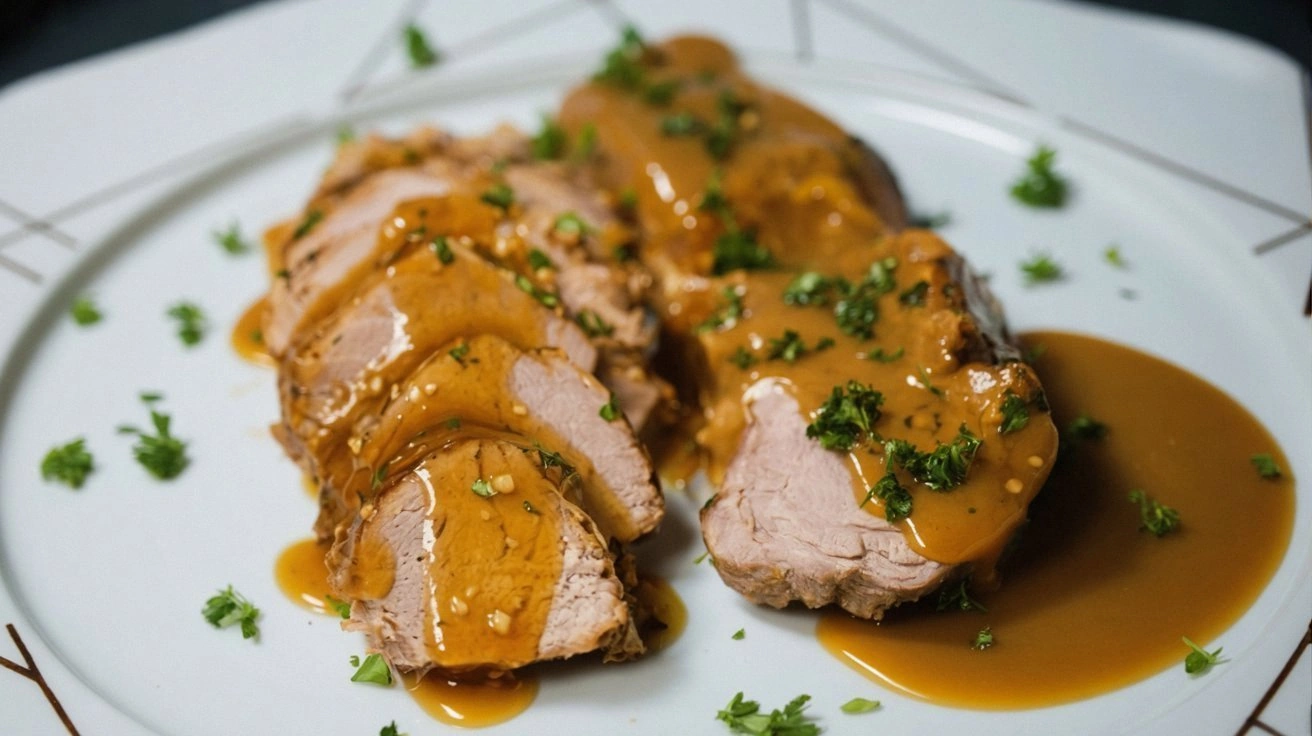
The Method — Step by Step
- Prepare the pork: Pat the tenderloin dry with paper towels to ensure a good sear. Season generously with salt and pepper on all sides. This step locks in moisture and flavor. If you’re in a hurry, skip the salt; the sauce will compensate.
- Brown the meat: Heat 2 tablespoons of olive oil in a large skillet over medium‑high heat. Once shimmering, place the pork in the skillet and sear for 2–3 minutes per side until golden brown. The Maillard reaction creates a caramelized crust that adds depth. Keep the skillet moving to avoid sticking.
- Transfer to the crockpot: Slide the browned pork into the crockpot insert. This step is crucial; the slow‑cooking will render the meat tender while the garlic and sauce meld together.
- Mix the sauce: In a bowl, combine 1 cup chicken broth, 1/4 cup soy sauce, 1/4 cup honey, 4 minced garlic cloves, 1 teaspoon dried thyme, 1 teaspoon dried rosemary, and 1 teaspoon paprika. Whisk until the honey dissolves completely. The liquid will create a glossy, flavorful coating.
- Add aromatics: Slice one medium onion into wedges and scatter them around the pork in the crockpot. The onion will soften and sweeten, complementing the garlic and honey. It also provides a visual cue that the dish is cooking.
- Cook low: Cover and cook on low for 4–5 hours or on high for 2–3 hours. The low setting allows the pork to break down slowly, ensuring maximum tenderness. If you’re short on time, the high setting works fine but be careful not to overcook.
- Check the sauce: About 30 minutes before the end, open the lid and stir the sauce. If it looks too thin, add the cornstarch slurry from the hack above and stir until thickened. The sauce should coat the pork like a glossy glaze.
- Finish with a sear (optional): If you like a crisp exterior, remove the pork, place it back in a hot skillet, and sear for 1 minute per side. This step adds a delightful crunch that contrasts the silky interior.
- Rest and serve: Let the pork rest for 5 minutes before slicing. The juices redistribute, keeping the meat moist. Slice against the grain for maximum tenderness. Serve immediately with your favorite side.
That's it — you did it. But hold on, I've got a few more tricks that'll take this to another level.
Insider Tricks for Flawless Results
The Temperature Rule Nobody Follows
Many people think any low setting works, but the ideal temperature is 200°F in a slow cooker. This ensures the pork stays moist while the sauce reduces without burning. If your crockpot doesn’t display temperature, set it to the lowest setting and add a small amount of water to keep it from drying out.
Why Your Nose Knows Best
Before you pull the lid, sniff the sauce. A sweet, garlicky aroma indicates the honey has caramelized. If it smells more like raw garlic, give it another 15 minutes. Trust your nose; it’s the best flavor gauge.
The 5-Minute Rest That Changes Everything
Resting the pork after cooking allows the juices to redistribute, preventing them from spilling out when you slice. A brief five‑minute pause makes the difference between a dry and a succulent cut. I’ve seen people skip this step and end up with a rubbery texture.
Use a Meat Thermometer
The internal temperature should hit 145°F for safe consumption. A quick probe into the thickest part will confirm doneness. Overcooking can push the pork past 160°F, where it starts to shrink and lose moisture.
Keep the Onion in the Mix
Many recipes toss the onion away after cooking, but it’s the secret to a sweet, caramelized undertone. Leave the onion wedges in the dish; they’ll absorb the sauce and become a tasty garnish.
Serve with a Fresh Salad
A crisp green salad with a vinaigrette cuts through the richness of the pork. The acidity brightens the dish, making every bite feel lighter. I always pair this with a light cucumber‑tomato mix.
Creative Twists and Variations
This recipe is a playground. Here are some of my favorite ways to switch things up:
Asian Fusion
Swap soy sauce for tamari and add a tablespoon of sesame oil. Toss in sliced bell peppers and a handful of chopped cilantro before serving. The result is a bright, umami‑rich dish that feels like a street‑food favorite.
Herb‑Infused Delight
Replace dried thyme and rosemary with fresh basil and oregano. Add a splash of lemon juice at the end for a zesty kick. This version is perfect for spring when herbs are at their peak.
Spicy Kick
Incorporate a minced jalapeño or a teaspoon of sriracha into the sauce. The heat balances the sweetness of honey and brings a fiery edge. Ideal for those who love a little spice.
Smoky BBQ
Add a tablespoon of smoked paprika and a dash of liquid smoke. Finish with a drizzle of BBQ sauce before serving. The smoky undertone makes this dish feel like a backyard grill.
Vegetarian Swap
Use seared tofu or tempeh instead of pork. Follow the same sauce recipe and cook on low for 3 hours. The tofu absorbs the flavors, creating a plant‑based version that’s equally satisfying.
Storing and Bringing It Back to Life
Fridge Storage
Cool the dish to room temperature, then transfer to an airtight container. Store in the refrigerator for up to 3 days. The sauce will thicken slightly; reheat gently on the stovetop.
Freezer Friendly
Wrap portions tightly in foil or freezer bags and freeze for up to 2 months. Thaw overnight in the refrigerator before reheating. The pork remains tender, and the sauce retains its flavor.
Best Reheating Method
Reheat on the stovetop over low heat, adding a splash of water or broth to loosen the sauce. Simmer until heated through, then garnish with fresh herbs. This keeps the pork moist and the sauce glossy.