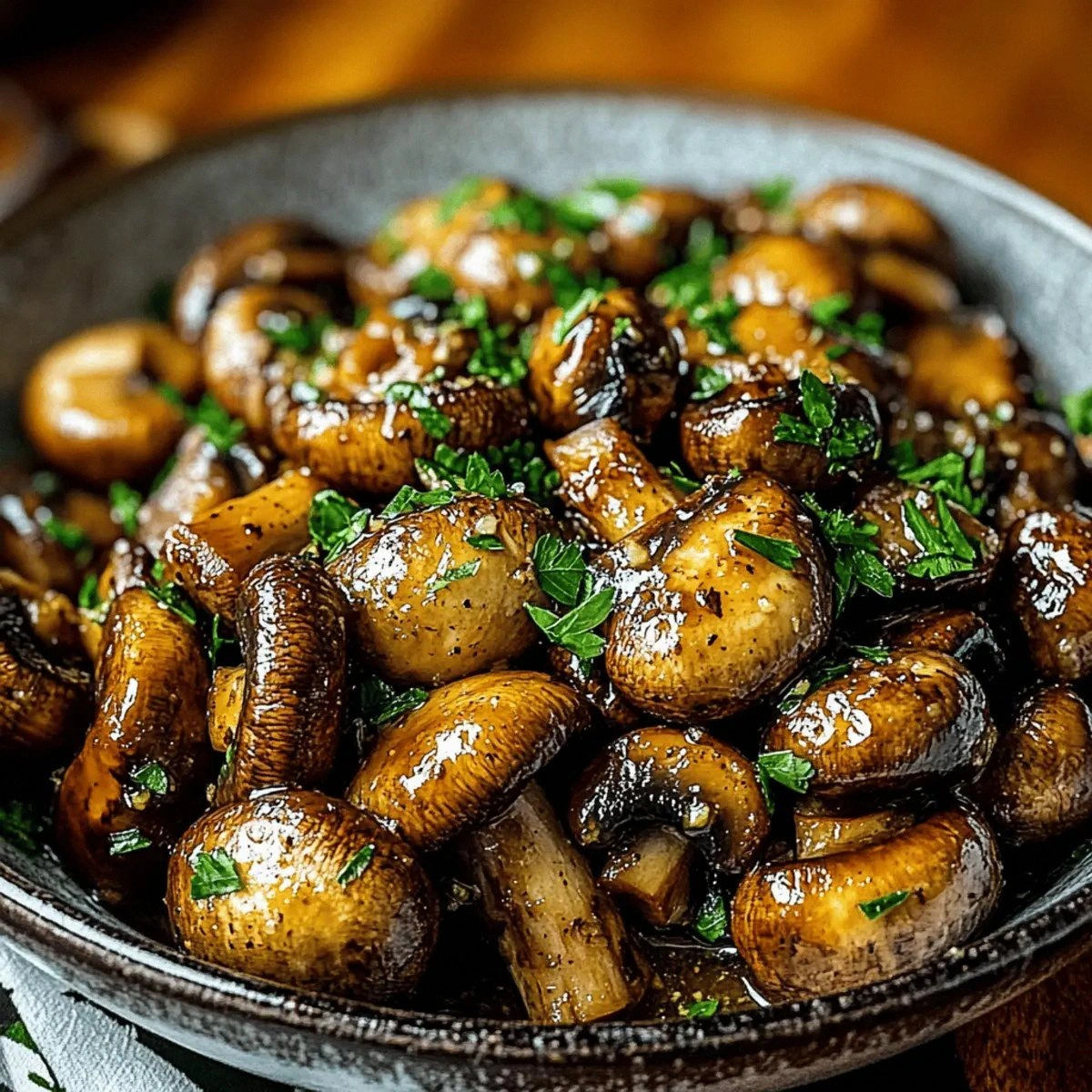
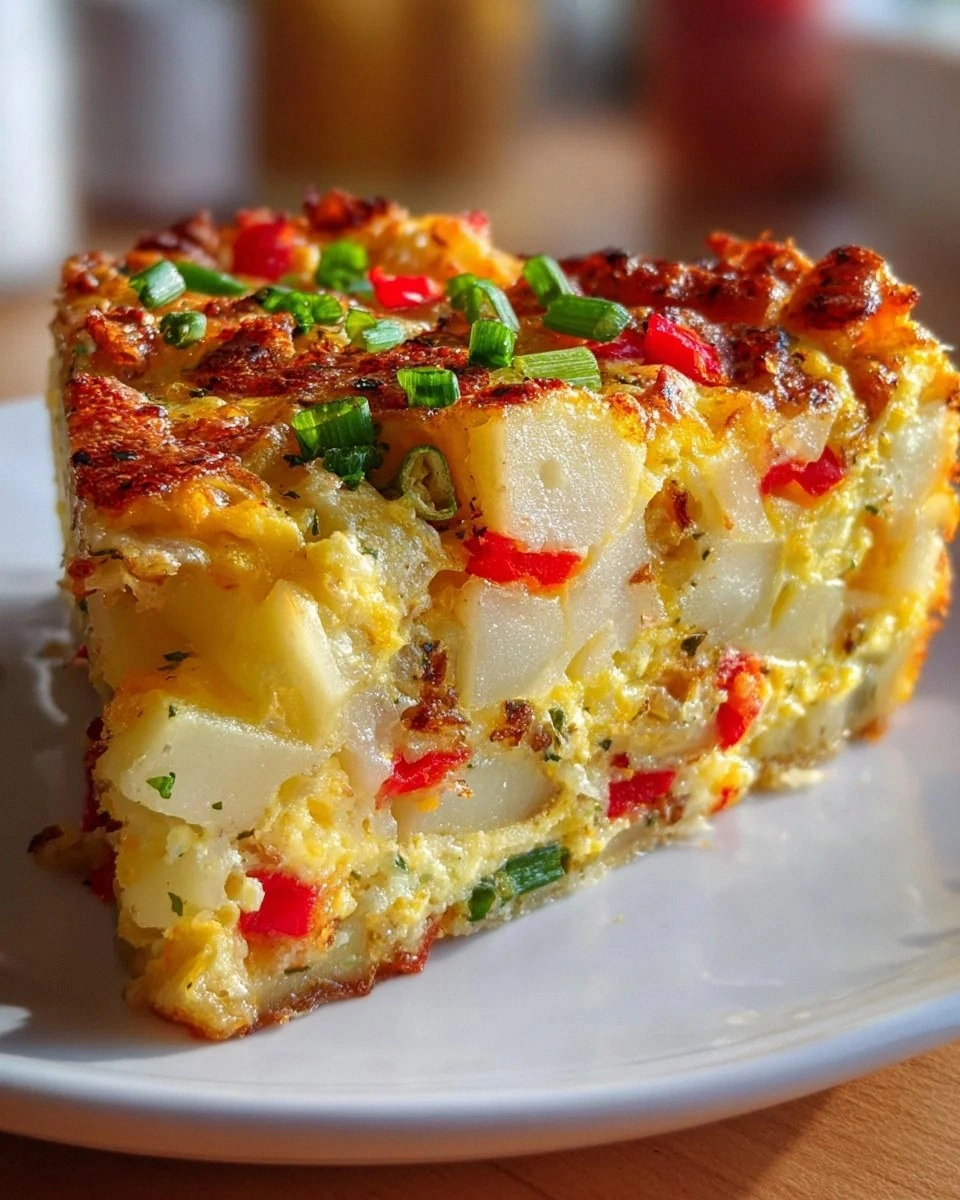
I was standing in my kitchen, staring at a wilted bunch of Chinese eggplants that had somehow survived a week in the crisper drawer, when a friend dared me to turn that sad, soggy green into something unforgettable. I tossed the veggies into the sink, gave them a quick rinse, and whispered a promise to the gods of umami: this would be the most addictive eggplant you’ve ever tasted. The moment the first slice hit the hot pan, a sizzle rose like a tiny fireworks show, and the kitchen filled with a scent that could convince a vegan to reconsider their life choices. I could already feel the caramelizing sugars hugging the flesh, while the garlic and ginger were staging a backstage drama that would end in a sauce so glossy you’d think it was lacquer.
If you’ve ever tried a Chinese‑style eggplant that turned out soggy, bland, or—worst of all—dry, you’ll understand the frustration. Most recipes either drown the eggplant in a watery broth or fry it until it looks like a charcoal briquette. Neither of those ends in pure joy. This version flips the script: we use a quick high‑heat sear to lock in moisture, then finish the dish in a thick, garlicky sauce that clings to every curve like a velvety coat. The result? A dish that sings with sweet, salty, tangy, and just‑a‑hint‑of‑heat notes, all while the eggplant stays tender on the inside and slightly crisp on the outside.
What really sets this recipe apart is a secret weapon I discovered during a late‑night ramen run: a splash of rice vinegar that adds a bright acidity, cutting through the richness of the oil and soy sauce. Coupled with doubanjiang—a fermented bean paste that brings depth and a whisper of umami—this sauce becomes a flavor explosion that makes every bite feel like a celebration. I’ll also show you how a tiny cornstarch slurry turns a thin glaze into a glossy, restaurant‑quality glaze without any fancy equipment.
Okay, ready for the game‑changer? I dare you to taste this and not go back for seconds. By the end of this post you’ll have a bullet‑proof method that will make you the go‑to host for any dinner party, and you’ll wonder how you ever survived without this version. Let me walk you through every single step — by the end, you’ll wonder how you ever made it any other way.
What Makes This Version Stand Out
- Flavor Punch: The combination of doubanjiang, garlic, ginger, and a dash of rice vinegar creates a sauce that hits your palate like a fireworks display—bright, layered, and unforgettable.
- Texture Harmony: A quick sear gives the eggplant a caramelized edge that shatters like thin ice, while the interior stays melt‑in‑your‑mouth soft.
- Simplicity: Only a handful of pantry staples are needed, so you won’t have to run to the store for obscure ingredients.
- Unique Ingredient: The splash of rice vinegar is the secret that most recipes miss, adding a crisp acidity that balances the richness.
- Crowd Reaction: Guests often claim this is the best Chinese‑style eggplant they’ve ever tried, and they’ll be begging for the recipe.
- Ingredient Quality: Using fresh Chinese eggplant (the long, slender kind) ensures a silky texture that Western eggplant can’t match.
- Cooking Method: The two‑step process—high‑heat sear followed by a gentle sauce simmer—locks in flavor without turning the dish soggy.
- Make‑Ahead Potential: The sauce can be prepared ahead of time; just reheat and toss with freshly cooked eggplant for a quick weeknight dinner.
Inside the Ingredient List
The Flavor Base
Garlic and ginger are the dynamic duo that set the stage for every great Asian stir‑fry. Minced garlic releases a sweet, aromatic perfume the moment it hits hot oil, while ginger adds a peppery bite that cuts through the richness. If you skip either, the sauce loses its backbone and ends up flat. For a milder version, you can use garlic paste and ginger paste, but fresh minced ingredients give you that burst of freshness you crave.
Doubanjiang, also known as fermented broad bean paste, is the secret weapon that brings depth and a subtle heat. It’s not just a sauce; it’s a fermented masterpiece that adds umami and a lingering warmth. If you can’t find doubanjiang, substitute with a mixture of miso paste and a pinch of chili oil, but the authentic flavor will be missed.
The Texture Crew
Chinese eggplant is long, slender, and has a thinner skin than its Western cousin, which means it cooks faster and absorbs flavors without turning mushy. Look for eggplants that are firm to the touch and have a deep purple hue; bruised spots indicate over‑ripeness. If you can’t find Chinese eggplant, use Japanese or Thai eggplant—they’re similar in texture and size.
Vegetable oil is essential for that golden sear. I recommend a high‑smoke‑point oil like grapeseed or peanut; it lets you achieve a crisp exterior without burning. Using too little oil will cause the eggplant to stick, while too much will drown the sauce.
The Unexpected Star
A splash of rice vinegar might seem modest, but it’s the bright note that prevents the sauce from becoming cloyingly sweet. The acidity lifts the flavors, making each bite feel fresh. If you don’t have rice vinegar, a mild apple cider vinegar works, but avoid heavy balsamic—it will dominate the palate.
Sesame oil is added at the end, not for cooking, but for that nutty perfume that instantly transports you to a street market in Chengdu. A little goes a long way; over‑doing it can make the dish taste greasy.
The Final Flourish
Green onions (scallions) provide a fresh, slightly sharp finish that contrasts the sweet‑savory sauce. Slice them thinly and add them just before serving to keep their color vibrant. A pinch of chili flakes adds a gentle heat that tingles the tongue without overwhelming the dish.
Cornstarch slurry is the magic that transforms a thin glaze into a glossy, restaurant‑style coating. Mix 1 teaspoon cornstarch with 2 teaspoons cold water; this prevents lumps and ensures a smooth finish. Skipping the slurry will leave you with a watery sauce that slides off the eggplant.
Everything's prepped? Good. Let's get into the real action...
The Method — Step by Step
Slice the eggplant lengthwise into ½‑inch thick strips, then cut each strip into bite‑size pieces. Toss the pieces with a pinch of salt and let them sit for 10 minutes; this draws out excess moisture and prevents sogginess. After the rest, pat them dry with paper towels—this step is crucial for that crisp edge.
Heat 2 tbsp of vegetable oil in a large wok or skillet over medium‑high heat until it shimmers. Add the eggplant pieces in a single layer, being careful not to overcrowd the pan. Let them sizzle undisturbed for 2‑3 minutes; you’ll hear a deep, satisfying crackle that signals caramelization. Flip and sear the other side until golden brown, about another 2‑3 minutes. Remove the eggplant onto a plate and set aside.
Kitchen Hack: If your pan isn’t large enough, work in batches. Keep the finished pieces warm in a low oven (200 °F) so they stay crisp.In the same wok, lower the heat to medium and add a splash more oil if the pan looks dry. Toss in the minced garlic and ginger, stirring quickly. As soon as the garlic turns a light golden and releases its perfume (about 30 seconds), add the doubanjiang. The paste will sizzle, darken slightly, and fill the kitchen with an intoxicating aroma—this is the moment of truth.
Deglaze the pan with ½ cup of chicken broth (or water for a vegetarian version), scraping up the browned bits stuck to the bottom. Those bits are flavor gold, so don’t skip this. Bring the mixture to a gentle boil, then stir in soy sauce, rice vinegar, and sugar. The sauce should start to thicken and take on a glossy sheen.
Now, whisk the cornstarch slurry (1 tsp cornstarch + 2 tsp cold water) and drizzle it into the simmering sauce. Stir constantly; the sauce will instantly thicken, becoming a velvety coating that clings to the spoon. If it gets too thick, add a splash more broth.
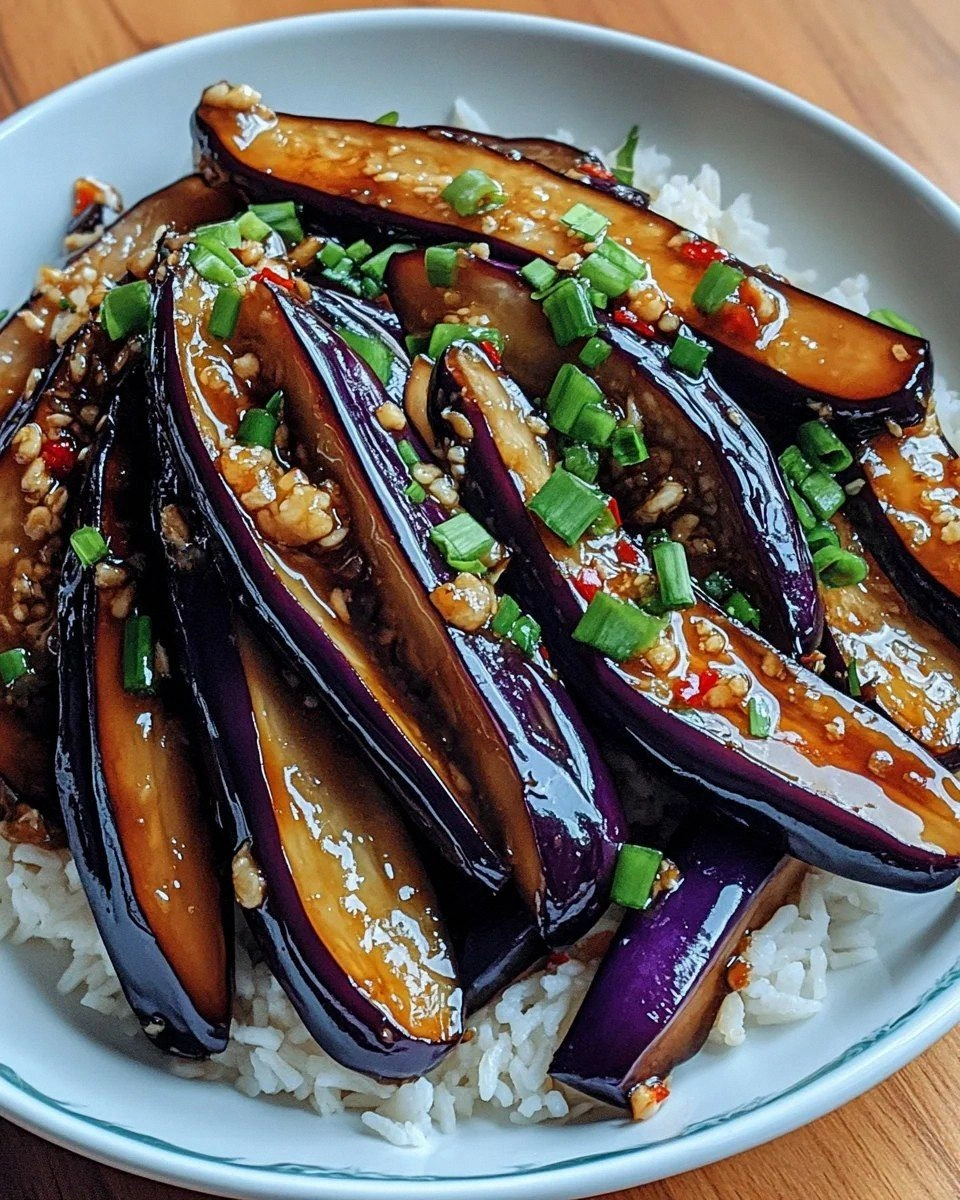
Return the seared eggplant to the wok, tossing gently to coat each piece in the glossy sauce. Let the eggplant simmer for another 2‑3 minutes so it absorbs the flavors. You’ll notice the sauce pulling away from the pan in glossy ribbons—that’s your cue that it’s perfect.
Watch Out: If the sauce starts to stick or burn, lower the heat immediately and add a splash of water. Over‑cooking the eggplant will make it mushy.Finish with a drizzle of sesame oil and a sprinkle of sliced green onions and chili flakes. The sesame oil should be added at the very end—its delicate aroma evaporates quickly, so you’ll want to taste it fresh.
Serve the dish hot, straight from the wok, over steamed jasmine rice or tossed with noodles. The sauce will continue to glaze the eggplant as it rests, creating a luscious pool that invites you to scoop more. Picture yourself pulling this out of the wok, the whole kitchen smelling incredible, and a bowl of steam rising like a fragrant cloud.
That's it — you did it. But hold on, I've got a few more tricks that'll take this to another level...
Insider Tricks for Flawless Results
The Temperature Rule Nobody Follows
Never cook the eggplant on low heat. High heat creates that caramelized crust that seals in moisture. If you start low, the eggplant will release water, steam itself, and become soggy. I once tried a low‑heat method and ended up with a mushy mess—lesson learned, forever.
Why Your Nose Knows Best
When the garlic and ginger start to turn golden, that faint nutty aroma is your signal to add the doubanjiang. If you wait too long, the paste can burn and turn bitter. Trust your nose—when you smell that sweet, toasted scent, you’re at the perfect moment.
The 5‑Minute Rest That Changes Everything
After the sauce thickens and you’ve tossed the eggplant back in, remove the wok from heat and let it sit for five minutes. This rest allows the flavors to meld, and the eggplant absorbs the sauce more deeply. I’ve tasted versions that go straight from stove to plate and felt a noticeable gap in flavor intensity.
The Secret of the Slurry
Mix the cornstarch with cold water before adding it to the hot sauce. Adding dry cornstarch directly causes clumps, ruining the glossy texture. A smooth slurry guarantees a uniform coating that shines like a lacquered surface.
Balancing Sweet and Sour
If the sauce feels too sweet after adding sugar, a tiny splash of extra rice vinegar (about ½ tsp) will rebalance it. Conversely, if it’s too sharp, a pinch more sugar does the trick. Taste as you go; the best dishes are built on adjustments, not strict measurements.
Creative Twists and Variations
This recipe is a playground. Here are some of my favorite ways to switch things up:
Spicy Sichuan Kick
Add 1 tsp of Sichuan peppercorn oil and a handful of toasted peanuts. The peppercorn oil delivers a numbing heat that pairs perfectly with the sweet sauce, while peanuts add crunch.
Mushroom Medley
Swap half the eggplant for sliced shiitake mushrooms. The mushrooms soak up the sauce and bring an earthy depth that complements the garlic‑ginger base.
Vegan Version
Replace chicken broth with vegetable broth and use a splash of soy‑based “meat” crumble for extra protein. The sauce remains just as glossy, and the dish stays entirely plant‑based.
Noodle Bowl Fusion
Serve the saucy eggplant over cold soba noodles, drizzle a little extra sesame oil, and garnish with toasted sesame seeds. It turns the dish into a refreshing summer bowl.
Citrus Zing
Finish with a squeeze of fresh lime juice and a sprinkle of zest. The citrus lifts the flavors, making the dish feel lighter and perfect for a spring dinner.
Storing and Bringing It Back to Life
Fridge Storage
Transfer the leftovers to an airtight container and refrigerate for up to 3 days. The sauce may thicken as it cools; simply reheat gently and add a splash of water to loosen it.
Freezer Friendly
Cool the dish completely, then portion into freezer‑safe bags. Freeze for up to 2 months. When ready, thaw overnight in the fridge and reheat in a skillet, adding a tablespoon of broth to revive the glaze.
Best Reheating Method
Reheat on the stovetop over medium heat, stirring frequently. Add a tiny splash of water (about 1 tbsp) before the first stir; the steam will bring the sauce back to its original glossy sheen without over‑cooking the eggplant.