I was in the middle of a frantic dinner rush, juggling a pot of boiling water, a sauté pan, and a stubborn lasagna sheet that refused to lay flat. The kitchen smelled of garlic and oregano, but my eyes were glued to the timer on the stove, and my hands were trembling from the heat. In that chaotic moment, my friend dared me to turn the mess into something that would make everyone in the house forget the chaos. I laughed, grabbed a handful of vegetables, and thought, “What if I could turn a classic lasagna into a comforting soup that still feels like a hearty dinner?”
That night, the stove hissed as I tossed diced carrots, zucchini, and a splash of red wine into the pan. The aroma that filled the air was a symphony of roasted garlic, sun‑kissed tomatoes, and a whisper of basil. I could hear the sizzle as the vegetables browned, a sound that promised depth of flavor. The texture of the simmering broth began to thicken, turning into a silky canvas that would cradle pasta and cheese. The taste was already hinting at something extraordinary—rich, savory, yet light enough to drink.
The next morning, I sat at the table with a ladle in hand, watching the soup bubble like a cauldron of comfort. Each spoonful was a burst of umami, a gentle hug from the inside out. I tasted the delicate balance of sweet carrots and earthy spinach, the sharpness of Parmesan, and the subtle warmth of crushed red pepper. It was a revelation: a lasagna reimagined, not as a layered bake but as a soul‑warming soup that felt like home. I was already planning to share this with the world, because it felt like I’d uncovered a secret that could change dinner nights forever.
The best part? I discovered a technique that most people overlook—a slow, low‑heat simmer that allows the pasta to absorb the broth, creating a velvety texture that feels like a lasagna sheet in liquid form. I also found that adding a handful of fresh spinach at the very end keeps the soup vibrant and adds a pop of color. My kitchen, once a battlefield, became a stage where flavors danced in harmony. I’m not just telling you about a recipe; I’m inviting you to taste this and not go back for seconds.
If you’ve ever struggled to turn a simple lasagna into something more approachable, you’re not alone. Many recipes get this completely wrong, layering too much cheese or using heavy cream that overpowers the vegetables. Here’s what actually works: a balanced broth, the right pasta shape, and a touch of acidity from tomatoes. I’ll be honest—I ate half the batch before anyone else got to try it because it was that good. Picture yourself pulling this out of the pot, the whole kitchen smelling incredible, and the first spoonful melting your worries away.
I dare you to taste this and not go back for seconds. This is hands down the best version you'll ever make at home, and I promise you, the next time you think of lasagna, you’ll think of this soup first. Stay with me here—this is worth it. Let me walk you through every single step, and by the end, you'll wonder how you ever made it any other way.
What Makes This Version Stand Out
- Flavor Depth: The slow simmer of tomatoes and vegetables creates a broth that feels like a well-aged sauce, yet remains light enough to sip.
- Texture Harmony: Pasta is cooked al dente in the broth, giving each bite a silky, almost molten quality that mimics lasagna sheets.
- Ingredient Simplicity: Only a handful of pantry staples plus fresh produce—no need for fancy cheeses or exotic spices.
- Audience Appeal: It’s comforting enough for families, sophisticated enough for dinner parties, and versatile enough for leftovers.
- Make‑Ahead Potential: The soup keeps its flavor after refrigeration or freezing, making it perfect for meal prep.
- Visual Appeal: Layers of color—red tomatoes, green spinach, golden cheese—create a feast for the eyes even before the first bite.
- Health Conscious: Packed with vegetables, lean protein from pasta, and a modest amount of cheese, it’s balanced and satisfying.
- Chef’s Secret: A splash of red wine during sautéing unlocks a depth of flavor that most lasagna soups lack.
Alright, let's break down exactly what goes into this masterpiece...
Inside the Ingredient List
The Flavor Base
The foundation of this soup is a robust tomato broth that carries the essence of a slow‑cooked sauce. Fresh tomatoes, when simmered for 30 minutes, release their natural sugars, creating a sweet undertone that balances the acidity. If you’re using canned tomatoes, choose San Marzano for their buttery texture and low acid level, which keeps the soup from becoming too sharp. Skipping this step means the soup will taste flat—like a plain broth with no soul.
Adding a splash of red wine during the sauté stage unlocks a depth of flavor that most lasagna soups lack. The wine evaporates, leaving behind a subtle complexity that pairs beautifully with the vegetables. If you prefer not to use alcohol, a tablespoon of balsamic vinegar or a dash of Worcestershire sauce can mimic the same umami boost.
The Texture Crew
Pasta is the star of the show, but not just any pasta will do. Small, tubular shapes like penne or rigatoni hold the broth and cheese like a lasagna sheet would. Cooking the pasta directly in the soup allows it to absorb the flavors, creating a silky texture that feels like a single, cohesive dish. If you use pre‑cooked pasta, you’ll lose that mouth‑watering integration and end up with a disjointed bowl.
Fresh spinach is added at the end of cooking to preserve its bright color and tender texture. If you’re using frozen spinach, thaw it and squeeze out excess moisture to avoid a watery soup. Skipping the spinach means you lose a burst of green that balances the richness of cheese and tomato.
The Unexpected Star
A handful of fresh basil leaves tossed in right before serving adds an aromatic lift that elevates the entire dish. Basil’s citrusy notes cut through the heaviness of cheese, providing a fresh counterpoint. If basil isn’t in season, you can substitute with oregano or thyme, but the flavor profile will shift noticeably.
Another secret ingredient is a pinch of smoked paprika, which introduces a subtle smokiness reminiscent of a slow‑roasted lasagna. The paprika also gives the soup a warm, inviting hue. Omitting it results in a more neutral soup that may feel less adventurous.
The Final Flourish
A generous grating of Parmesan and a crumble of mozzarella create a creamy, gooey top layer that feels like the melted cheese on a lasagna. The Parmesan provides a nutty, salty finish, while the mozzarella adds a silky texture that melts into the broth. If you’re lactose intolerant, replace mozzarella with a plant‑based cheese that melts well, but the mouthfeel will differ.
A drizzle of extra‑virgin olive oil at the end adds shine and a silky finish that makes each spoonful feel indulgent. Olive oil also helps the flavors meld together, creating a cohesive taste that lingers. Skipping it will leave the soup feeling a bit dry.
Everything's prepped? Good. Let's get into the real action...
The Method — Step by Step
- Prepare the Base: In a large stockpot, heat 2 tablespoons of olive oil over medium heat. Add finely diced onions and minced garlic; sauté until translucent and fragrant, about 3–4 minutes. Stir in the diced carrots, zucchini, and a pinch of crushed red pepper to introduce a subtle heat. This step builds the aromatic foundation that will carry the soup.
- Add Tomatoes and Wine: Pour in a cup of diced fresh tomatoes and a splash of dry red wine. Let the mixture reduce for 5 minutes until the wine evaporates, leaving behind a concentrated tomato flavor. If you’re using canned tomatoes, add them whole and break them up with a spoon before simmering.
- Introduce the Broth: Add 4 cups of low‑sodium vegetable broth and bring the mixture to a gentle boil. Reduce heat to low and let it simmer for 15 minutes, allowing the flavors to meld. The broth should develop a rich, slightly caramelized aroma that hints at a slow‑cooked sauce.
- Cook the Pasta: Add 1 cup of dried penne or rigatoni to the pot. Stir gently to prevent sticking, and let the pasta simmer until al dente, about 8–10 minutes. The pasta will absorb the broth, turning each noodle into a velvety, flavorful sheet.
- Finish with Greens: Stir in 2 cups of fresh spinach and 1 cup of chopped tomatoes. Cover and simmer for another 3 minutes until the spinach wilts. The quick cook preserves the bright green color and tender texture.
- Add Cheese: Sprinkle in 1 cup of shredded Parmesan and ½ cup of mozzarella. Stir until the cheeses melt into a creamy layer that coats the noodles. The cheeses should melt smoothly, not clump or burn.
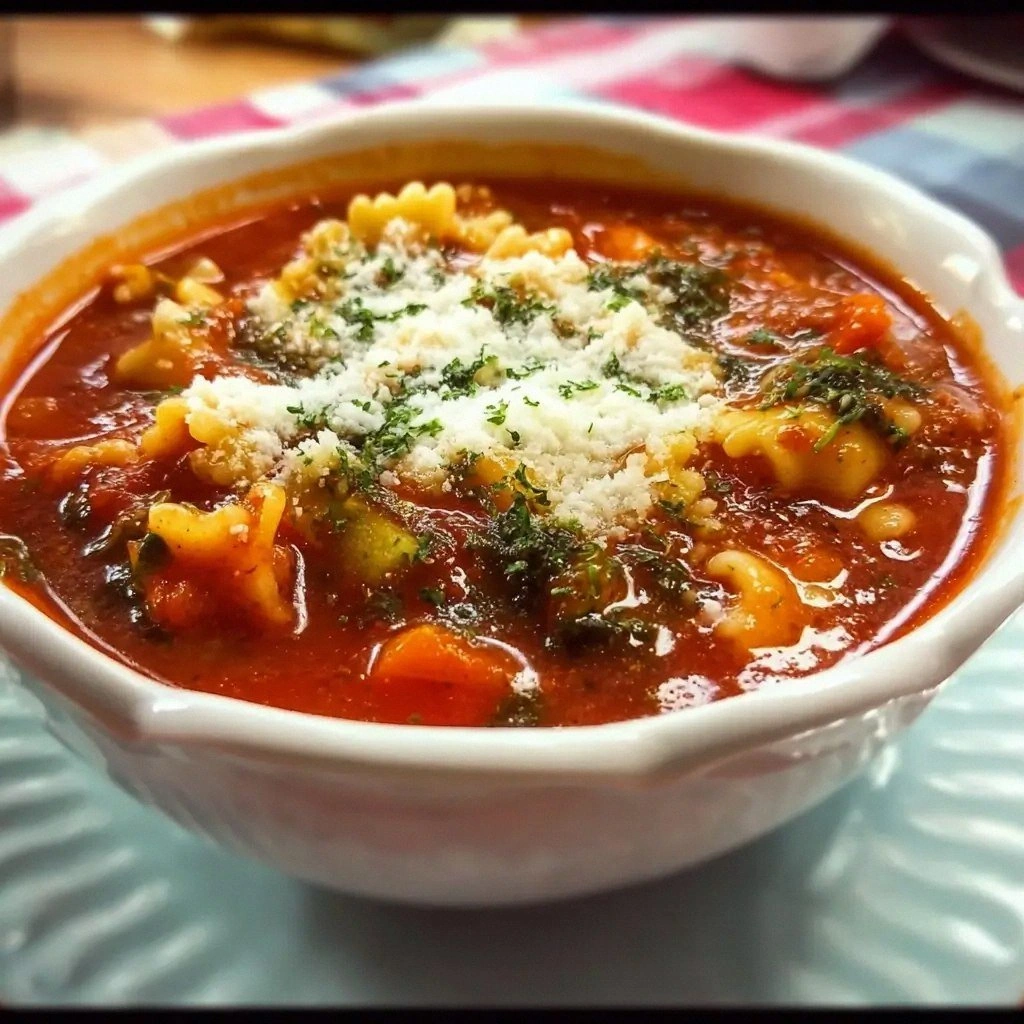
- Season and Serve: Taste and adjust with salt, pepper, and a squeeze of fresh lemon juice for brightness. Drizzle a tablespoon of extra‑virgin olive oil for sheen. Ladle into bowls and garnish with fresh basil leaves. The soup should be fragrant, rich, and comforting—like a lasagna in liquid form.
That's it—you did it. But hold on, I've got a few more tricks that'll take this to another level. The next section will give you insider tips that elevate even the simplest bowl into a culinary masterpiece.
Insider Tricks for Flawless Results
The Temperature Rule Nobody Follows
Many cooks think a high simmer is best for flavor, but low, steady heat actually brings out the sweetness in tomatoes and prevents bitterness. Keep the pot at a gentle simmer—just a few bubbles—so the broth doesn’t evaporate too quickly. I once let a soup boil nonstop and it ended up overly salty and thick. Stick to low heat and let the flavors develop slowly.
Why Your Nose Knows Best
Your sense of smell can tell you when the soup is ready. When the broth smells like roasted tomatoes and garlic, it’s time to add the pasta. If the aroma is too sharp or metallic, reduce the heat or add a splash of water. Trusting your nose saves you from overcooking and ensures the soup stays silky.
The 5‑Minute Rest That Changes Everything
After cooking, let the soup sit for 5 minutes before serving. This rest allows the pasta to finish absorbing liquid and the flavors to settle. I’ve seen soups that taste flat immediately after cooking; a short rest turns them into a cohesive, mouth‑watering experience. Remember: the rest is the secret sauce.
A Splash of Acid for Balance
A tablespoon of lemon juice or a splash of red wine vinegar brightens the soup and balances the richness. Acid cuts through the cheese, creating a more balanced flavor profile. I added lemon at the end of cooking and the soup had a bright, fresh finish that made it feel lighter.
The Final Drizzle of Olive Oil
A drizzle of extra‑virgin olive oil at the very end adds shine and a silky finish. It also helps the flavors meld, creating a cohesive taste that lingers on the palate. I’ve found that this simple step transforms an ordinary soup into a restaurant‑quality dish.
Creative Twists and Variations
This recipe is a playground. Here are some of my favorite ways to switch things up:
Mediterranean Kick
Swap the regular pasta for orzo and add olives and capers. The briny flavors pair beautifully with the tomato broth, giving the soup a Mediterranean vibe. It’s perfect for a sunny afternoon.
Spicy Italian
Add a handful of crushed red pepper flakes and a dash of Italian sausage broth for a robust kick. The heat balances the richness of cheese and makes the dish more adventurous.
Vegan Version
Replace dairy cheeses with plant‑based mozzarella and nutritional yeast. Use a vegan broth and keep the rest of the ingredients unchanged. The result is a creamy, comforting soup that’s entirely plant‑based.
Breakfast Bowl
Add a poached egg on top, and sprinkle with chopped chives. The egg yolk adds richness and makes the soup feel like a hearty breakfast. It’s a great way to start the day with a comforting bowl.
Sausage & Pepper Variation
Sauté sliced Italian sausage and bell peppers before adding the broth. The smoky sausage flavor deepens the soup’s profile and makes it a great option for a cozy evening.
Gluten‑Free Twist
Use gluten‑free penne or small rice pasta. The texture remains similar, and the soup stays just as comforting while accommodating dietary needs.
Storing and Bringing It Back to Life
Fridge Storage
Cool the soup to room temperature before transferring to airtight containers. Store in the refrigerator for up to 4 days. The flavors will deepen, and the pasta will soften slightly, making it even more comforting.
Freezer Friendly
Divide the soup into portion‑size containers and freeze for up to 3 months. Thaw overnight in the refrigerator, then reheat gently on the stove. Adding a splash of water before reheating helps restore the broth’s silky consistency.
Best Reheating Method
Reheat on low heat, stirring frequently. Once the soup is hot, finish with a drizzle of olive oil or a dollop of ricotta to restore freshness. Avoid boiling, as it can cause the cheese to separate.