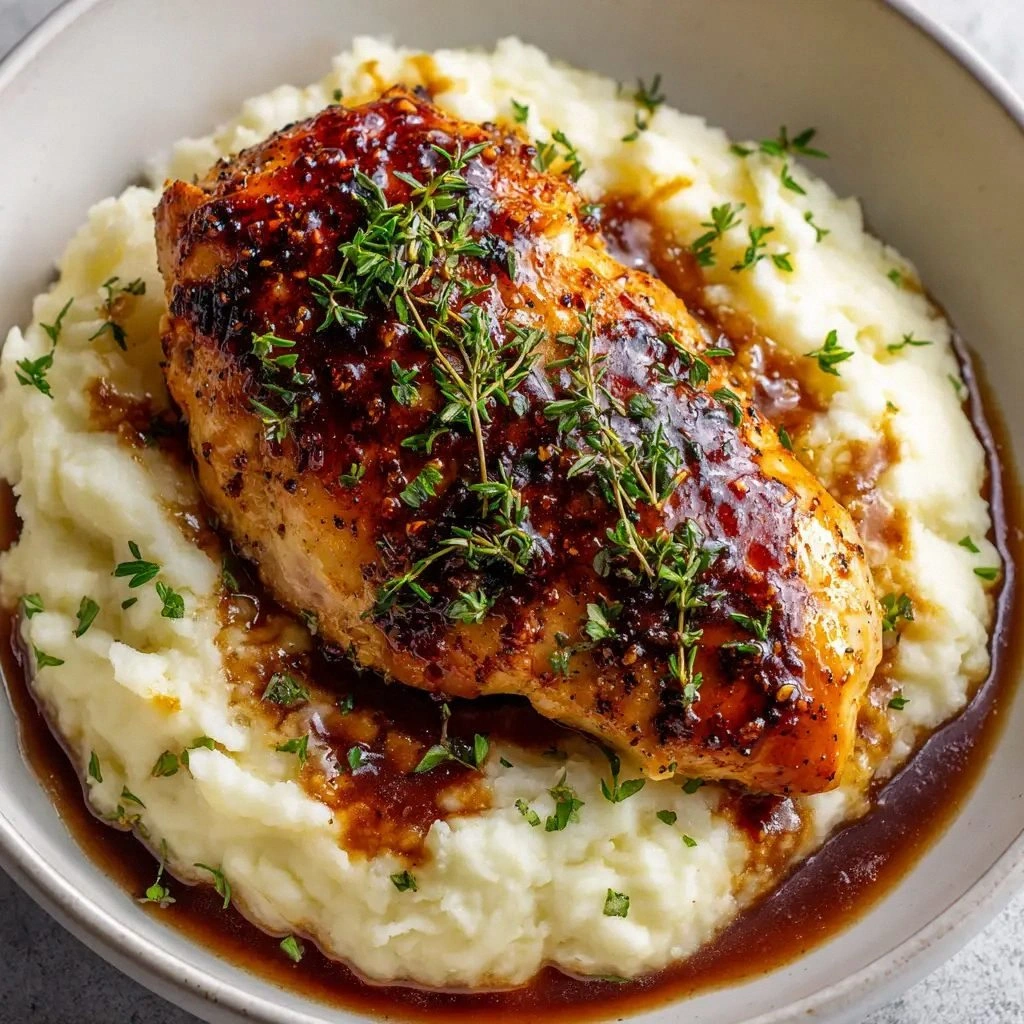
I was standing in the middle of a chaotic kitchen, a pot of simmering broth, a handful of raw chicken breasts, and a stack of potatoes that had seen better days. The scent of garlic was already teasing my senses, but the real drama unfolded when I accidentally dropped a spoonful of honey into the pot and watched it caramelize like liquid gold. That moment turned into a revelation: the sweet, sticky glaze that coated the chicken was the secret to a dish that feels both comforting and gourmet. I dared myself to experiment, and the result was a plate that makes every bite a promise of savory and sweet harmony.
Picture the first bite: a tender chicken breast, its skin crisped to a golden amber that crackles when you bite, followed by a silky glaze that clings to the meat like a velvet ribbon. The potatoes, meanwhile, are soft and buttery, infused with a hint of thyme that lifts the whole dish to new heights. The aroma that fills the kitchen is a symphony—roasted garlic, honey, soy, and a whisper of apple cider vinegar that together create a fragrant backdrop that makes your mouth water before you even taste it. If you’ve ever struggled to find the right balance between sweet and savory, this is the answer you’ve been searching for.
This version stands out because it is intentionally layered: the glaze is made ahead, the potatoes are pre‑cooked to lock in moisture, and the chicken is seared to lock in juices before finishing in the sauce. It’s a dish that is as impressive to serve at a dinner party as it is comforting for a quick weeknight meal. Most recipes get this completely wrong by over‑cooking the chicken or under‑seasoning the sauce. Here, every element works in harmony to deliver a finish that is hands down the best version you’ll ever make at home. I dare you to taste this and not go back for seconds.
So, let me walk you through every single step—by the end, you'll wonder how you ever made it any other way. From the precise timing of the glaze to the final flourish of fresh herbs, this recipe is a masterclass in flavor engineering. And trust me, once you master this technique, you’ll be able to adapt it to any protein or side dish with confidence. Get ready for a journey that will leave your taste buds dancing and your kitchen smelling incredible. Stay with me here—this is worth it.
What Makes This Version Stand Out
- Flavor Depth: The glaze layers sweetness, umami, and acidity, creating a complex profile that lingers on the palate. Every bite reveals a new nuance—honey’s caramel, soy’s saltiness, and vinegar’s bright kick.
- Texture Contrast: The chicken’s exterior is crisp and caramelized, while the interior remains juicy and tender. The potatoes add a creamy, buttery bite that balances the savory chicken.
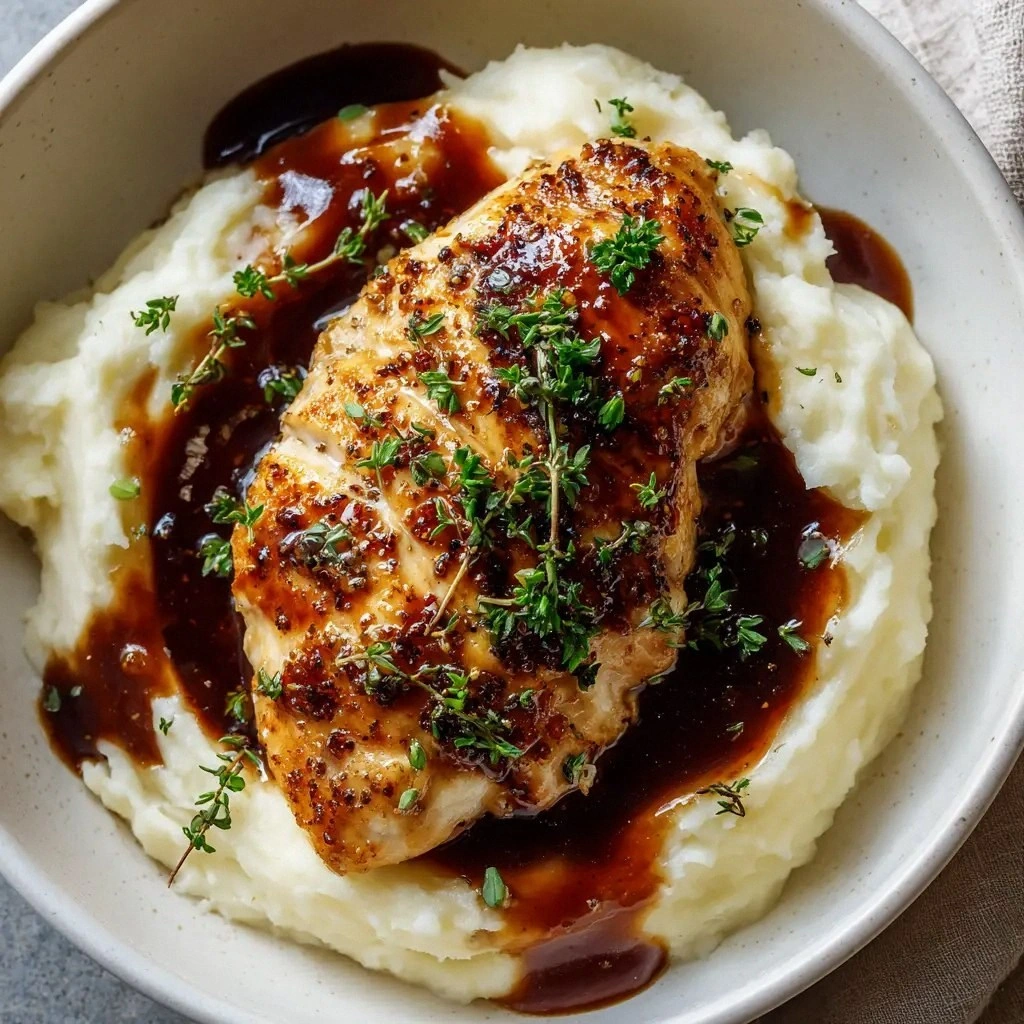
- Visual Appeal: The glossy glaze gives the dish a professional sheen, and the vibrant green parsley garnish pops against the golden chicken.
- Time Efficiency: Prep takes just 20 minutes, and the cooking process is streamlined so you can focus on other tasks while the flavors meld.
- Ingredient Quality: Using fresh, high‑quality herbs and a good‑quality soy sauce elevates the entire dish.
- Make‑Ahead Potential: The glaze can be prepared in advance and refrigerated, allowing you to assemble the dish quickly on busy nights.
Inside the Ingredient List
The Flavor Base
The combination of soy sauce, honey, and apple cider vinegar forms the backbone of the glaze. Soy sauce provides umami depth, honey adds a caramelized sweetness, and vinegar offers a bright counterpoint that prevents the sauce from becoming cloying. Skipping any of these components will leave the dish feeling flat; the glaze loses its signature glossy finish and complex flavor profile. For a lower sodium alternative, you can use tamari or a reduced‑salt soy sauce, but keep the ratio of honey and vinegar the same to maintain balance.
The Texture Crew
Potatoes are the unsung hero of this recipe. When cubed and boiled until just tender, they absorb the glaze’s flavors and become luxuriously creamy. Heavy cream and unsalted butter are whisked together to create a silky sauce that coats the chicken and potatoes alike. If you’re watching calories, you can replace the cream with a splash of milk or a dairy‑free alternative, but the richness will be slightly diminished.
The Unexpected Star
Fresh thyme and parsley bring aromatic brightness that cuts through the richness of the dish. The thyme’s subtle piney notes complement the savory chicken, while parsley adds a fresh, herbaceous finish. If you’re allergic to fresh herbs, dried versions can work, but use half the quantity to avoid overpowering the sauce.
The Final Flourish
Seasoning is key to unlocking each component’s potential. A pinch of white pepper balances the soy sauce’s saltiness, and a dash of black pepper adds a subtle heat that lingers. Salt is added at the end to taste, ensuring that the glaze’s sweetness isn’t masked. If you prefer a spicier kick, a pinch of crushed red pepper flakes can be tossed in during the last minute of cooking.
Everything's prepped? Good. Let's get into the real action.
The Method — Step by Step
- Begin by bringing a large pot of salted water to a rolling boil. Add the cubed Yukon Gold potatoes and cook for 8–10 minutes until they’re just tender but still hold their shape. Drain the potatoes and set them aside; they’ll absorb the sauce later. This step ensures the potatoes stay fluffy and not mushy.
- While the potatoes are cooking, whisk together the honey, soy sauce, apple cider vinegar, and a splash of chicken broth in a small saucepan. Heat over medium heat until the mixture starts to thicken slightly—about 3–4 minutes. The glaze should be glossy but still pourable. This is the moment of truth for the sauce’s flavor.
- In a separate pan, melt the butter over medium heat. Add the minced garlic and sauté until fragrant, about 30 seconds. Garlic’s aroma should fill the kitchen like a warm hug. Be careful not to burn it; a burnt garlic taste ruins the entire dish.
- Season the chicken breasts with salt, white pepper, and a pinch of black pepper. Pat them dry with paper towels—this helps the skin crisp up. Place the chicken in the butter‑garlic pan and sear for 3–4 minutes on each side until golden brown. The sear locks in juices and creates a caramelized crust that enhances the glaze.
- Pour the pre‑made glaze over the chicken, then reduce the heat to low. Cover the pan and let the chicken simmer in the sauce for 12–15 minutes, turning once to ensure even coating. The sauce should reduce to a thick, shiny glaze that clings to the meat.
- Meanwhile, whisk the heavy cream with a tablespoon of olive oil. Gently stir this mixture into the skillet, letting the sauce thicken further while maintaining a silky texture. The cream adds a luxurious mouthfeel that balances the savory glaze.
- Return the cooked potatoes to the skillet, tossing them in the sauce so they absorb the flavors. Sprinkle the fresh thyme leaves and chopped parsley over the top, allowing the herbs to release their aroma. The green garnish adds a pop of color and fresh brightness.
- Serve the chicken and potatoes immediately, spooning extra glaze over the top. The dish should look glossy and appetizing, with a golden crust and a fragrant herb finish. That sizzle when it hits the pan? Absolute perfection.
That's it — you did it. But hold on, I've got a few more tricks that'll take this to another level.
Insider Tricks for Flawless Results
The Temperature Rule Nobody Follows
Maintaining a low simmer after searing is crucial. Too high a heat can cause the glaze to burn, while too low a heat will leave the sauce watery. Use a digital thermometer to keep the pan around 250–260°F, which ensures a steady reduction without scorching.
Why Your Nose Knows Best
Smell is the ultimate flavor gauge. When the glaze is ready, it should emit a sweet, caramelized aroma that lingers in the air. If it smells more like burnt sugar, pull it off the heat immediately to avoid bitterness.
The 5-Minute Rest That Changes Everything
Letting the chicken rest for five minutes after removing it from the pan allows juices to redistribute. This step ensures each bite is moist and flavorful rather than dry and uneven. The glaze also thickens slightly during this brief rest, giving it a richer consistency.
The Secret to a Crispy Skin
Patting the chicken dry before searing is essential. Moisture on the surface prevents browning and creates steam that can make the skin soggy. A quick pat with paper towels and a light dusting of flour can help achieve a crisp, caramelized finish.
The Herb Timing Trick
Add fresh parsley at the very end to preserve its bright flavor and vibrant color. If you add it too early, the heat will dull the herb’s aroma and cause it to wilt. A final sprinkle right before serving keeps the dish looking fresh and lively.
Creative Twists and Variations
This recipe is a playground. Here are some of my favorite ways to switch things up:
Spicy Sriracha Kick
Add a tablespoon of sriracha to the glaze for a fiery punch. The heat pairs beautifully with the honey’s sweetness, creating a balanced flavor that excites the palate. This variation is perfect for those who love a bit of heat.
Smoky Chipotle Flavor
Replace the apple cider vinegar with chipotle in adobo for a smoky, slightly sweet profile. The chipotle’s subtle heat and deep flavor complement the soy sauce, making the dish more complex. Serve with a side of roasted corn for a Mexican-inspired twist.
Lemon‑Herb Brightness
Swap the thyme for lemon zest and fresh rosemary. The citrus note brightens the dish and cuts through the richness of the butter and cream. This version works wonderfully during spring and summer when fresh herbs are abundant.
Vegetarian Version
Replace the chicken with thick slices of tofu or tempeh. Marinate the protein in the glaze for 15 minutes before cooking to absorb the flavors. The tofu will take on the glossy glaze, offering a hearty, plant‑based alternative.
Low‑Carb Alternative
Swap the potatoes for cauliflower rice or roasted Brussels sprouts. The cauliflower’s mild flavor pairs well with the glaze, while the Brussels sprouts add a nutty, caramelized edge. This version reduces carbs without sacrificing flavor.
Storing and Bringing It Back to Life
Fridge Storage
Cool the dish completely before placing it in an airtight container. Store in the refrigerator for up to 3 days. The glaze will thicken slightly, but the flavors will deepen, making it even more delicious.
Freezer Friendly
Divide the chicken and potatoes into individual portions and wrap tightly in foil or plastic wrap. Freeze for up to 2 months. Thaw overnight in the refrigerator before reheating.
Best Reheating Method
Reheat on the stove over low heat, adding a splash of water or broth to loosen the glaze. Stir gently until warmed through. The sauce will steam back to perfection, and the chicken will stay moist.