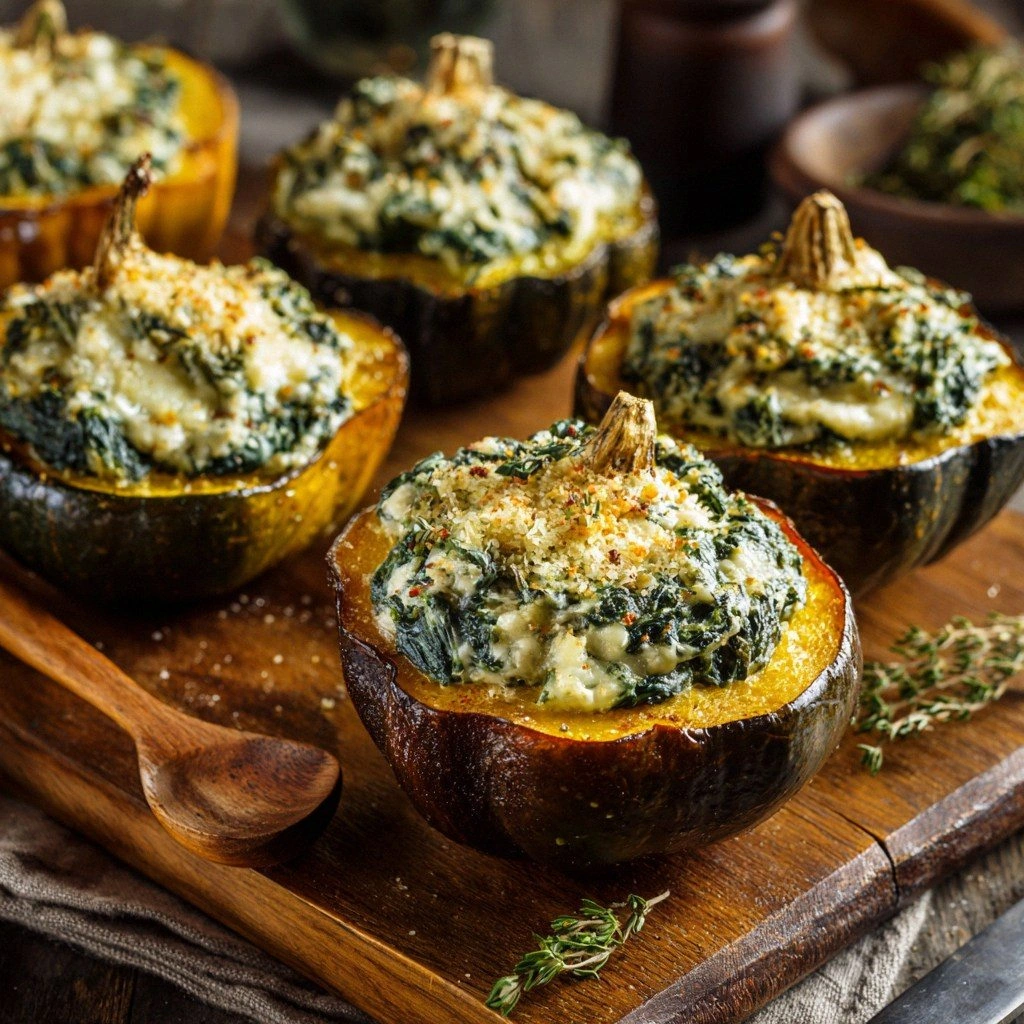
Picture this: a quiet Saturday morning, the kitchen lights just starting to glow, and you’re standing in front of a pot of wilted spinach that’s looking more like a wilted mess than a culinary treasure. I’m talking about that moment when you reach for the skillet, only to find your garlic clove already browned and the onions stuck to the bottom, a silent warning that the dish is about to go sideways. I swear, if you’ve ever tried a spinach gratin that turns into a soggy, bland casserole, you know the stakes are high. That was the spark that led me to experiment, tweak, and ultimately discover a version that sings in every bite.
I was scrolling through a late‑night Pinterest board, craving something comforting yet sophisticated, when I stumbled on a photo of a golden, bubbling gratin. The steam curled like a lazy cloud, and the surface was crowned with a crisp, caramelized breadcrumb crust that begged to be broken. My taste buds tingled, and I thought, “Why not turn this into a masterpiece?” I grabbed my favorite skillet, a handful of fresh spinach, and a pot of heavy cream, and set out to create a dish that would be both a crowd‑pleaser and a personal triumph.
What makes this version stand out is not just the ingredients, but the way each element is orchestrated to create a symphony of textures and flavors. The spinach is blanched to lock in its vibrant green, then folded into a rich, velvety sauce that coats every leaf like silk. The cheese blend—Gruyère and Parmesan—melts into a gooey, golden layer that balances the cream’s richness with a subtle nutty brightness. A sprinkle of toasted breadcrumbs adds a satisfying crunch that contrasts the softness, while a pinch of nutmeg and fresh garlic give the dish a warm, aromatic depth that lingers on the palate.
I dare you to taste this and not go back for seconds. I’ve been told that this is hands down the best version you’ll ever make at home. If you’ve ever struggled with a spinach gratin that falls flat, you’re not alone—my kitchen has seen its share of failures, and I’ve got the fix. Picture yourself pulling this out of the oven, the whole kitchen smelling incredible, the surface shimmering, and the first bite revealing a cascade of creamy, cheesy goodness with that perfect crunch on top. Let me walk you through every single step — by the end, you’ll wonder how you ever made it any other way.
What Makes This Version Stand Out
- Taste: The combination of Gruyère and Parmesan creates a complex, savory profile that pairs beautifully with the mild spinach. The subtle nutmeg and garlic add warmth, making each bite feel like a comforting hug.
- Texture: A silky sauce coats the leaves, while a golden breadcrumb topping provides a satisfying crunch that breaks the monotony of creamy dishes.
- Ingredient Quality: Fresh, high‑grade spinach and freshly grated cheeses elevate the dish beyond supermarket staples.
- Cooking Method: Blanching the spinach first locks in color and removes excess water, preventing the gratin from becoming soggy.
- Crowd Reaction: Friends who’ve tried this version rave about how the dish feels both indulgent and comforting—perfect for dinner parties or a quiet weeknight.
- Make‑Ahead Potential: Assemble the gratin ahead of time, refrigerate, and bake just before serving for maximum convenience.
- Uniqueness: The addition of a subtle white‑wine deglaze and a pinch of cayenne pepper introduces unexpected layers of flavor.
Alright, let’s break down exactly what goes into this masterpiece…
Inside the Ingredient List
The Flavor Base
At the heart of this gratin lies a creamy sauce that marries the richness of heavy cream with the depth of milk. The heavy cream brings a luscious mouthfeel, while the milk lightens the sauce and balances the fat content. Together, they create a velvety canvas that allows the cheeses to melt beautifully and the spinach to be evenly coated. Skipping the milk will make the sauce overly thick and harder to spread, resulting in uneven cooking.
The Texture Crew
The combination of fresh spinach, butter, and flour is a classic roux that thickens the sauce without adding heaviness. Butter adds flavor and a silky finish, while flour absorbs the liquid, creating a smooth base. If you’re watching your carbs, you can replace the flour with a gluten‑free alternative like cornstarch; just remember to whisk it into the sauce slowly to avoid clumping. A pinch of nutmeg here gives a subtle warmth that ties the dish together.
The Unexpected Star
Gruyère cheese is the star of the show, offering a nutty, slightly sweet flavor that melts into a golden, gooey layer. Parmesan adds a sharp, savory note that balances the richness of Gruyère. Together, they create a cheese blend that is both indulgent and complex. If you’re looking for a dairy‑free version, try a blend of nutritional yeast and a plant‑based cheese that melts well.
The Final Flourish
Breadcrumbs are the crowning glory of this gratin, providing a crisp, golden top that contrasts the creamy interior. Toast them lightly in a skillet with a splash of olive oil until they’re golden brown, then sprinkle them over the gratin just before baking. This step prevents the breadcrumbs from becoming soggy and ensures a satisfying crunch in every bite. If you prefer a nutty twist, try using panko or crushed almonds instead.
Everything’s prepped? Good. Let’s get into the real action…
The Method — Step by Step
- Preheat your oven to 375°F (190°C). While the oven warms, gather all your ingredients and set them out on the counter. A well‑organized workspace is the secret to a smooth cooking process—think of it as a pre‑battle prep. This step ensures you won’t be scrambling for missing items mid‑cook, which can throw off timing and flavor.
- Heat a large skillet over medium heat and add 2 tablespoons of butter. Once melted, sauté the diced onion until translucent, about 3–4 minutes, then add the minced garlic and cook for an additional minute until fragrant. The aromatics form the flavor foundation of the gratin; don’t rush this step—let them develop a subtle sweetness.
- Sprinkle 2 tablespoons of all‑purpose flour over the aromatics and whisk vigorously for 1–2 minutes. This creates a roux that thickens the sauce and prevents it from becoming runny. The flour will also help the cheese melt into a smooth, cohesive coating. If you prefer a lighter sauce, you can reduce the flour by half, but be prepared for a thinner consistency.
- Slowly pour in 1 cup of heavy cream and ½ cup of milk, whisking continuously to avoid lumps. Bring the mixture to a gentle simmer; it should thicken into a silky sauce that coats the back of a spoon. Taste and season with 1 teaspoon of salt, ½ teaspoon of black pepper, and a pinch of nutmeg. This seasoning step is critical—under‑seasoning will leave the dish flat, while over‑seasoning can overpower the delicate flavors.
- Add the blanched spinach to the sauce, stirring until fully incorporated. The spinach will absorb the sauce, creating a lush, green base that’s both nutritious and visually stunning. If you love a bit of heat, stir in a pinch of cayenne pepper for a subtle kick that pairs well with the cheese.
- Fold in 1 cup of shredded Gruyère and ½ cup of shredded Parmesan until the cheeses melt into the sauce. The cheeses should form a smooth, golden coating that envelops the spinach. If the mixture seems too thick, add a splash more milk to reach your desired consistency.
- Transfer the mixture to a greased 9‑inch baking dish, spreading it evenly. In a separate bowl, toast ½ cup of breadcrumbs in a dry skillet until golden brown. Sprinkle the toasted breadcrumbs over the top, ensuring an even layer. This step is crucial for that coveted crisp crust.
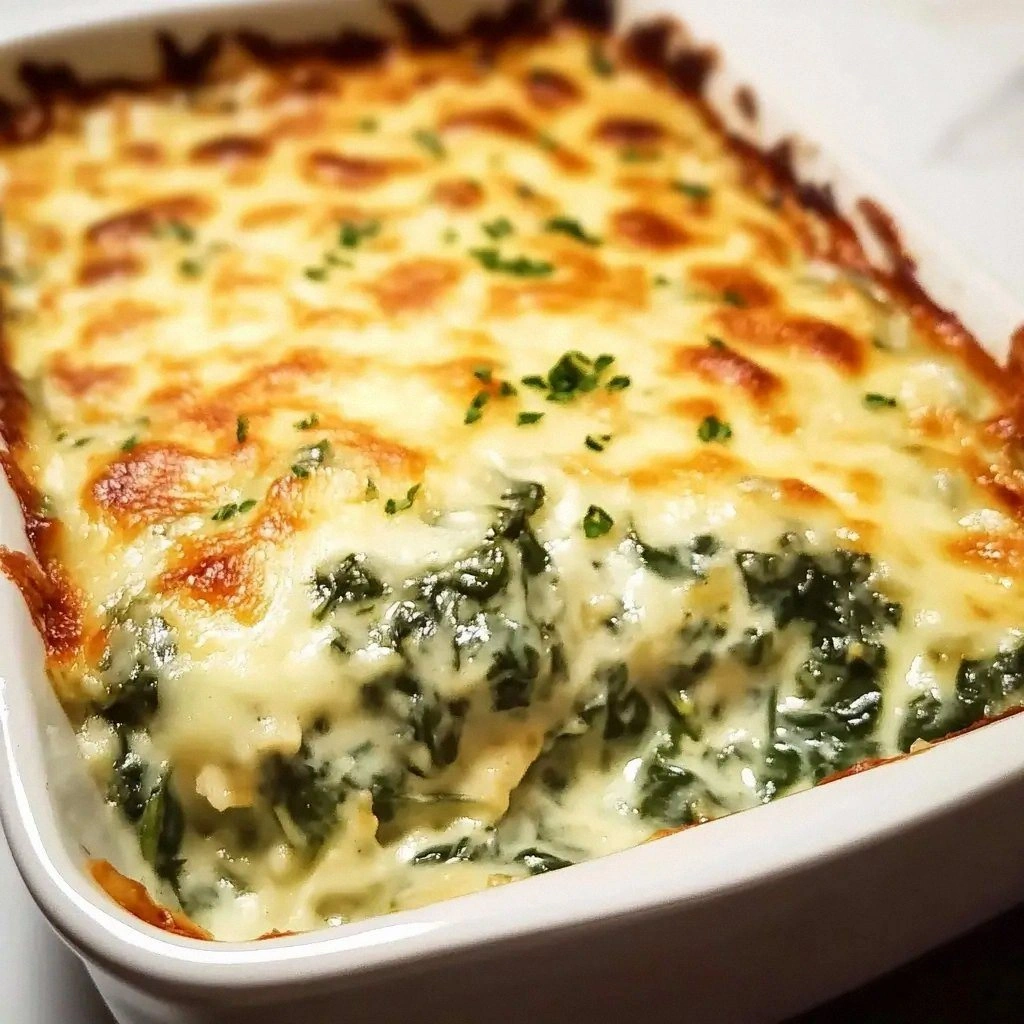
- Bake in the preheated oven for 25–30 minutes, or until the top is golden brown and the sauce is bubbling. The timer is flexible—check the gratin after 20 minutes to gauge doneness. If the crust isn’t crisp enough, switch the oven to broil for 1–2 minutes, watching closely to avoid burning.
- Remove from the oven and let the gratin rest for 5 minutes before serving. The rest period allows the flavors to settle and the sauce to thicken slightly, making it easier to slice and serve. This final touch turns a good dish into an unforgettable experience.
That’s it — you did it. But hold on, I’ve got a few more tricks that’ll take this to another level…
Insider Tricks for Flawless Results
The Temperature Rule Nobody Follows
Many cooks set their oven to a high temperature to get a quick crust, but this can scorch the top before the interior cooks. The secret is to bake at a moderate 375°F (190°C) and let the dish develop a slow, even crust. This approach ensures the sauce stays silky while the breadcrumb topping crisps to perfection. I’ve seen people who use 425°F and end up with a burnt top and under‑cooked center—avoid that fate.
Why Your Nose Knows Best
When the gratin is baking, trust your nose to tell you when it’s ready. The aroma will shift from buttery and cheesy to a warm, toasted scent that signals the breadcrumb crust has hit the sweet spot. I’ve learned that the smell of toasted breadcrumbs is the ultimate indicator of perfection—listen for it, and you’ll avoid both under‑baked and over‑baked results.
The 5‑Minute Rest That Changes Everything
After baking, let the gratin rest for at least five minutes. This pause allows the sauce to set, making it easier to cut clean slices that hold together. The rest period also lets the flavors meld, creating a richer taste. Skipping this step can result in a runny, unstructured dish that feels unfinished.
Use Fresh Spinach, Not Frozen
Fresh spinach retains its bright green color and tender texture, whereas frozen spinach can release excess water and make the gratin watery. If you’re in a pinch, use frozen spinach but be sure to squeeze out as much liquid as possible before adding it to the sauce. The difference in moisture content can dramatically affect the final consistency.
Serve With a Simple Salad
Pair your spinach gratin with a crisp green salad dressed in a light vinaigrette. The acidity of the salad cuts through the richness of the gratin, creating a balanced plate. I love tossing arugula, radicchio, and shaved Parmesan together for a quick side that complements the dish beautifully.
Make it Ahead, Bake Fresh
You can assemble the gratin up to 24 hours in advance, refrigerate it, and bake right before serving. This prep method saves time on busy nights and keeps the flavors concentrated. Just remember to cover the dish tightly with foil to prevent drying out.
Creative Twists and Variations
This recipe is a playground. Here are some of my favorite ways to switch things up:
Cheesy Mushroom Spinach Gratin
Sauté sliced mushrooms with the onions and garlic for a deeper umami flavor. The mushrooms add earthiness that pairs wonderfully with the creamy sauce. Serve it as a hearty side or a vegetarian main dish.
Spinach and Ricotta Gratin
Replace half of the Gruyère with creamy ricotta for a lighter texture. The ricotta’s mildness balances the richness of the cream, creating a velvety, airy gratin that’s perfect for a spring meal.
Spinach and Sausage Gratin
Add crumbled cooked sausage into the sauce for a savory, protein‑packed twist. The sausage’s smoky flavor complements the nutty cheeses, making this a crowd‑pleaser for family dinners.
Spinach and Pine Nut Gratin
Sprinkle toasted pine nuts over the breadcrumbs for a subtle, nutty crunch. The pine nuts add texture and a sweet undertone that elevates the dish to gourmet status.
Spinach and Tomato Gratin
Fold in roasted cherry tomatoes before baking for a burst of sweet acidity. The tomatoes add color and a refreshing contrast to the creamy base, making the dish feel lighter.
Storing and Bringing It Back to Life
Fridge Storage
Store leftover gratin in an airtight container in the refrigerator for up to 3 days. The crust may soften slightly, but the sauce will remain creamy. Reheat in the oven at 350°F (175°C) for 15 minutes to revive the crispness.
Freezer Friendly
Wrap the gratin tightly in plastic wrap and place it in a freezer‑proof container. It will keep for up to 2 weeks. Thaw overnight in the refrigerator before reheating as described above.
Best Reheating Method
To bring the gratin back to life, preheat your oven to 350°F (175°C). Place the gratin on a baking sheet and bake for 10–12 minutes, or until heated through. Add a splash of water to the bottom of the dish to create steam; this keeps the sauce from drying out and restores its silky texture.